

From Aid to Opportunity: EU and WFP Boost Refugee Self-Reliance in Uganda
Written By Maxine Ansah

|
Getting your Trinity Audio player ready...
|
In a significant move towards building long-term resilience among displaced populations, the European Union (EU) has committed EUR 5 million to support the United Nations World Food Programme’s (WFP) efforts to enhance self-reliance and food security for refugees and host communities in Uganda.
Home to over 1.9 million refugees and asylum seekers, Uganda remains the largest refugee-hosting country in Africa. Its progressive refugee policy allows freedom of movement and the right to work. However, economic opportunities are still limited in and around refugee settlements. For many refugee families, humanitarian and development assistance remains essential as they strive to rebuild their lives in safety.
“Empowering refugees in Uganda to become self-reliant has never been more important,” said Genevieve Chicoine,
WFP’s Acting Country Director in Uganda. “This vital contribution from the European Union will enable WFP to support thousands of refugees and host communities with the skills they need to earn a living and put food on the table.”
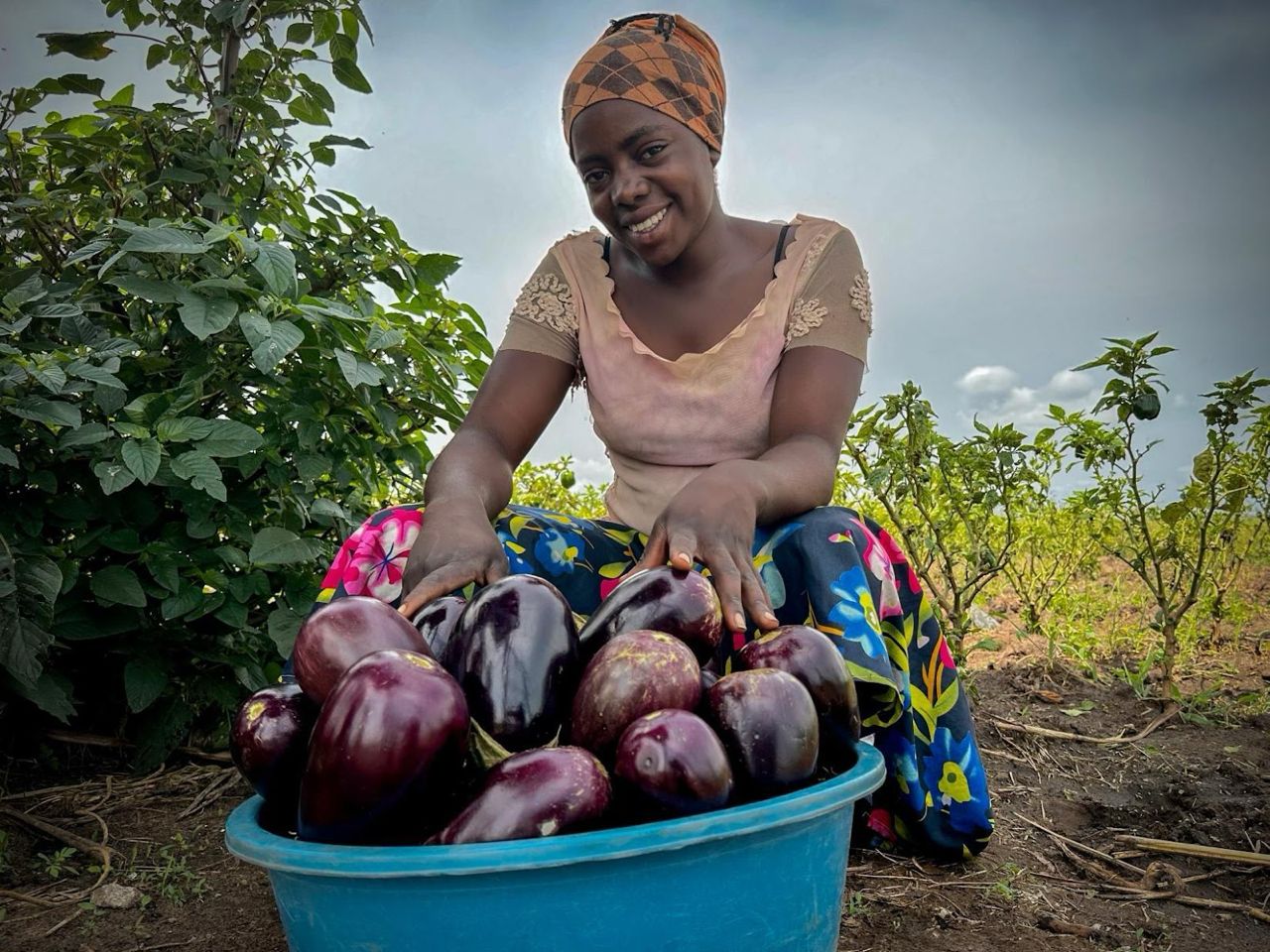
The new funding will benefit a total of 18,000 people, including 12,600 refugees residing in the Nakivale and Oruchinga settlements and 5,400 individuals from host communities. The initiative includes practical training in regenerative farming methods, financial literacy for managing small businesses, and targeted nutrition support for pregnant and breastfeeding women.
WFP currently assists around 660,000 refugees in Uganda through a combination of cash transfers, in-kind food assistance, and programmes aimed at improving nutrition and increasing economic self-reliance. However, the agency continues to face serious funding gaps. In May, WFP was forced to suspend food assistance for nearly one million refugees and cut rations for others to just 22 percent of their minimum needs. These cuts have left many families in an increasingly precarious situation.
The EU’s latest contribution is part of its broader initiative, the Action for Protection, Assistance and Durable Solutions for Displaced Populations in Sub-Saharan Africa (EUPADS). The programme aims to address the root causes of displacement while supporting national policies that integrate displaced populations into local development plans.
“This partnership reflects a shift from delivering aid to delivering opportunity,” said Guillaume Chartrain, Deputy Head of Delegation for the EU in Uganda.“Refugees and host communities are gaining the tools they need to shape their own futures. By investing in people’s skills and potential, we are supporting more stable, self-reliant communities, and that benefits everyone.”
Uganda’s approach to refugee protection has been widely praised for its inclusiveness and its emphasis on integration rather than encampment. But the strain on resources continues to grow amid protracted crises in neighbouring countries such as South Sudan and the Democratic Republic of the Congo. As international attention shifts to new emergencies, funding for longstanding humanitarian operations like those in Uganda risks falling short.
For now, the EU’s renewed support offers a measure of hope. It provides not only immediate assistance but also a path forward for those trying to rebuild from displacement with dignity and purpose.