


|
Getting your Trinity Audio player ready...
|
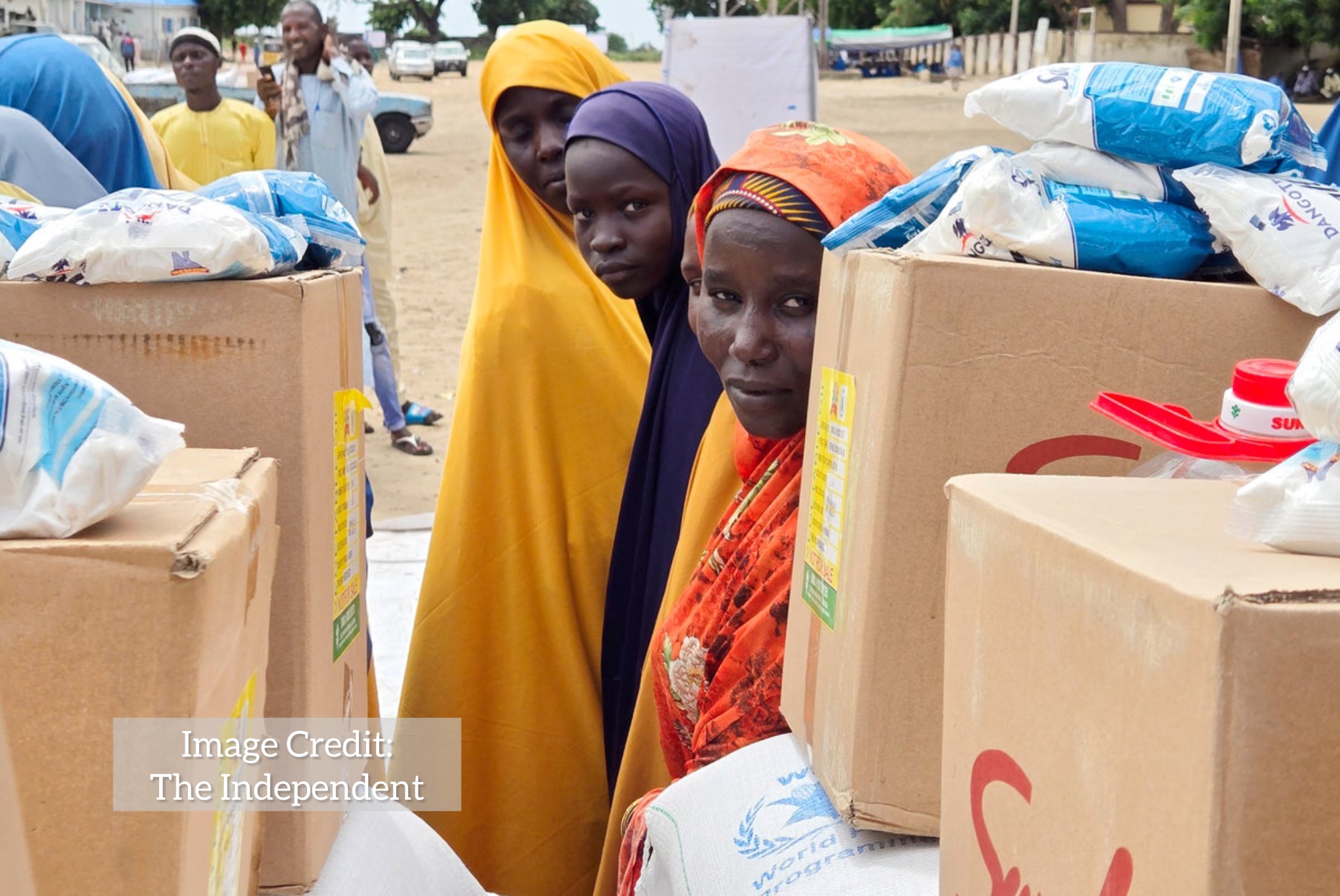
Faced with steep funding shortfalls, the United Nations World Food Programme (WFP) has announced a significant scaling back of its relief activities across crisis-affected nations in West and Central Africa. The decision driven largely by reductions in U.S. and other donor contributions will see food and nutritional aid paused in several countries, potentially leaving millions without life-saving assistance as early as this autumn.
According to WFP projections, current food reserves in most impacted areas will be depleted by September. In the meantime, the agency is focusing its remaining resources on the most critical interventions such as therapeutic feeding for severely malnourished children and emergency rations for communities cut off by conflict.
“We are doing everything we can to prioritize the most life-saving activities,” explained Margot van der Velden, the WFP’s regional director, “but without urgent support from our partners, our ability to respond is shrinking by the day. We need sustained funding to keep food flowing and hope alive.”
Already, operations have been suspended entirely in Mauritania, Mali and the Central African Republic, where stocks will run out within weeks. In Cameroon, aid deliveries to camps hosting Nigerian refugees have been sharply reduced. WFP estimates indicate that over 300,000 Nigerian children alone face a heightened risk of severe malnutrition and potentially death if assistance does not resume.
Meanwhile, the humanitarian situation in northern Nigeria illustrates the broader crisis. The International Rescue Committee reports a 178 percent increase in inpatient admissions at its clinics between March and May, reflecting the growing toll of food insecurity on vulnerable populations. In Mali, displaced families have gone without emergency food distributions since June, coinciding with the annual lean season when local harvests are at their lowest.
The abrupt funding gap follows policy changes by the United States, including deep cuts to USAID and other U.N. contributions under the previous administration. These reductions have reverberated through the entire humanitarian system, forcing WFP and other agencies to retrench just as security threats from militant groups remain acute and climatic shocks exacerbate food shortages.
Together, these factors paint a dire picture for regions already struggling with overlapping crises. As the WFP warns of dwindling supplies and stagnant support, aid organizations are calling on the global community to replenish funding levels. Without prompt action, millions of people across the Sahel and Central Africa face the specter of hunger on a massive scale and a hard-won decade of progress in combating malnutrition risks being undone.
Japan Partners With UNOPS To Strengthen Lagos’ Cholera Response And Save Lives