


|
Getting your Trinity Audio player ready...
|
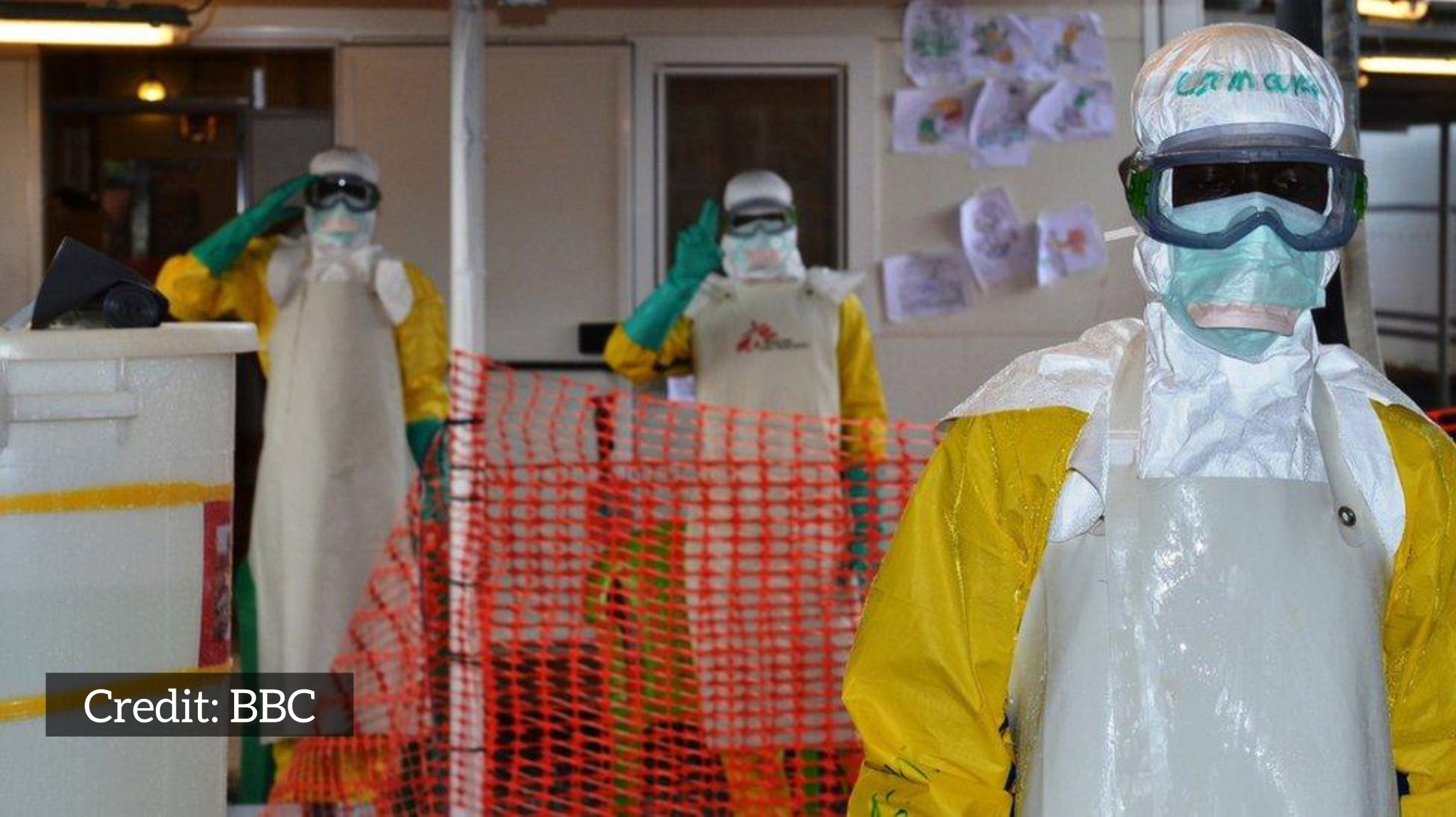
Health officials in the Democratic Republic of Congo (DRC) are grappling with a rapidly escalating Ebola outbreak in the southern Kasai province, where suspected cases have more than doubled in just one week. The Africa Centres for Disease Control and Prevention (Africa CDC) confirmed that the number of suspected infections has risen from 28 to 68, with four districts now affected. So far, at least 16 people have lost their lives.
This outbreak marks the first resurgence of Ebola in the country in three years and the first in Kasai province in over a decade. The vast and remote nature of the region, located over 1,000 kilometers from Kinshasa, presents significant logistical challenges. Poor road networks hinder access to medical supplies and delay the deployment of rapid response teams.
Dr. Ngashi Ngongo, a senior advisor with Africa CDC, cautioned that ongoing conflict in eastern Congo could further complicate containment efforts. The proximity of villages and high population density in certain areas increase the risk of Ebola spreading quickly if not controlled.
The outbreak was initially identified after a pregnant woman in Bulapé district tested positive last week. Since then, health authorities have expanded surveillance and tightened public health measures. The World Health Organization (WHO) has deployed experts to work alongside Congo’s Rapid Response Team, focusing on disease monitoring, treatment delivery, and infection prevention practices.
Congo has battled repeated Ebola outbreaks since the virus was first identified in 1976. The current flare-up is the 16th nationwide and the 7th in Kasai province. The deadliest recent epidemic occurred between 2018 and 2020 in eastern Congo, claiming more than 1,000 lives.
To limit transmission, movement restrictions have been introduced and checkpoints established at major entry routes to Tshikapa, the provincial capital. Residents report that while some families initially fled to nearby villages, many have since returned due to limited resources and uncertainty about survival outside their communities.
Ethienne Makashi, the local official overseeing water, sanitation, and hygiene in Bulapé, acknowledged widespread fears about worsening living conditions but also noted a rare glimmer of hope. “We have one patient showing encouraging signs of recovery, which is reassuring for others under treatment,” he said.
Health experts stress that swift action is critical to preventing the outbreak from spiraling further. Given Congo’s history with Ebola, the government and its international partners are racing against time to reinforce containment strategies, expand treatment access, and restore public confidence.
For now, the situation remains precarious. Whether Kasai can avoid the devastation seen in past outbreaks will largely depend on coordinated efforts between local authorities, international health agencies, and the resilience of affected communities.