


|
Getting your Trinity Audio player ready...
|
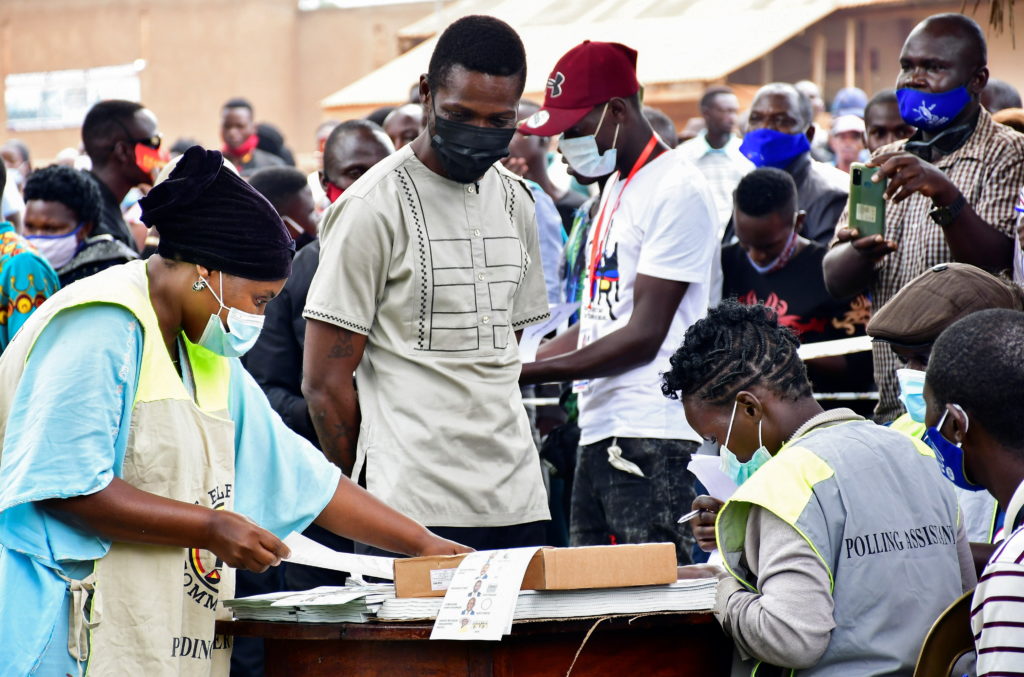
Uganda’s Electoral Commission has officially set January 15, 2026, as the date for the country’s general elections, where President Yoweri Museveni, now in his late 70s, will seek to extend his nearly five-decade rule.
Museveni, who first took power in 1986, remains one of Africa’s longest-serving leaders. Over the years, constitutional changes have removed both age and term limits, ensuring his continued eligibility to run. His government has long been credited for stabilising Uganda after years of conflict, boosting economic growth and leading major health campaigns against HIV/AIDS. However, critics accuse his administration of human rights abuses, corruption, and restricting political freedoms — claims the government denies, saying those detained face due process.
As in 2021, Museveni’s main challenger is expected to be Robert Kyagulanyi, better known as Bobi Wine, the 43-year-old musician-turned-politician whose message of change resonates deeply with Uganda’s youth. Wine has repeatedly accused the government of electoral malpractice, including intimidation and ballot-stuffing, allegations rejected by the ruling National Resistance Movement.
Uganda’s upcoming election comes at a defining moment. The government is banking on the start of crude oil exports in 2026, operated by TotalEnergies and CNOOC, to push the economy toward double-digit growth. With troops deployed across Somalia, South Sudan, the DRC, and Equatorial Guinea, Uganda also plays a critical role in regional peacekeeping — making the upcoming vote one with continental and geopolitical weight.
For Africa, Uganda’s election is more than a local affair. It represents another test of how young democracies navigate leadership longevity, generational change, and the balance between stability and reform. Whether Uganda chooses continuity or a new direction, the decision will echo across a continent where youth now demand not just peace, but progress.