


|
Getting your Trinity Audio player ready...
|
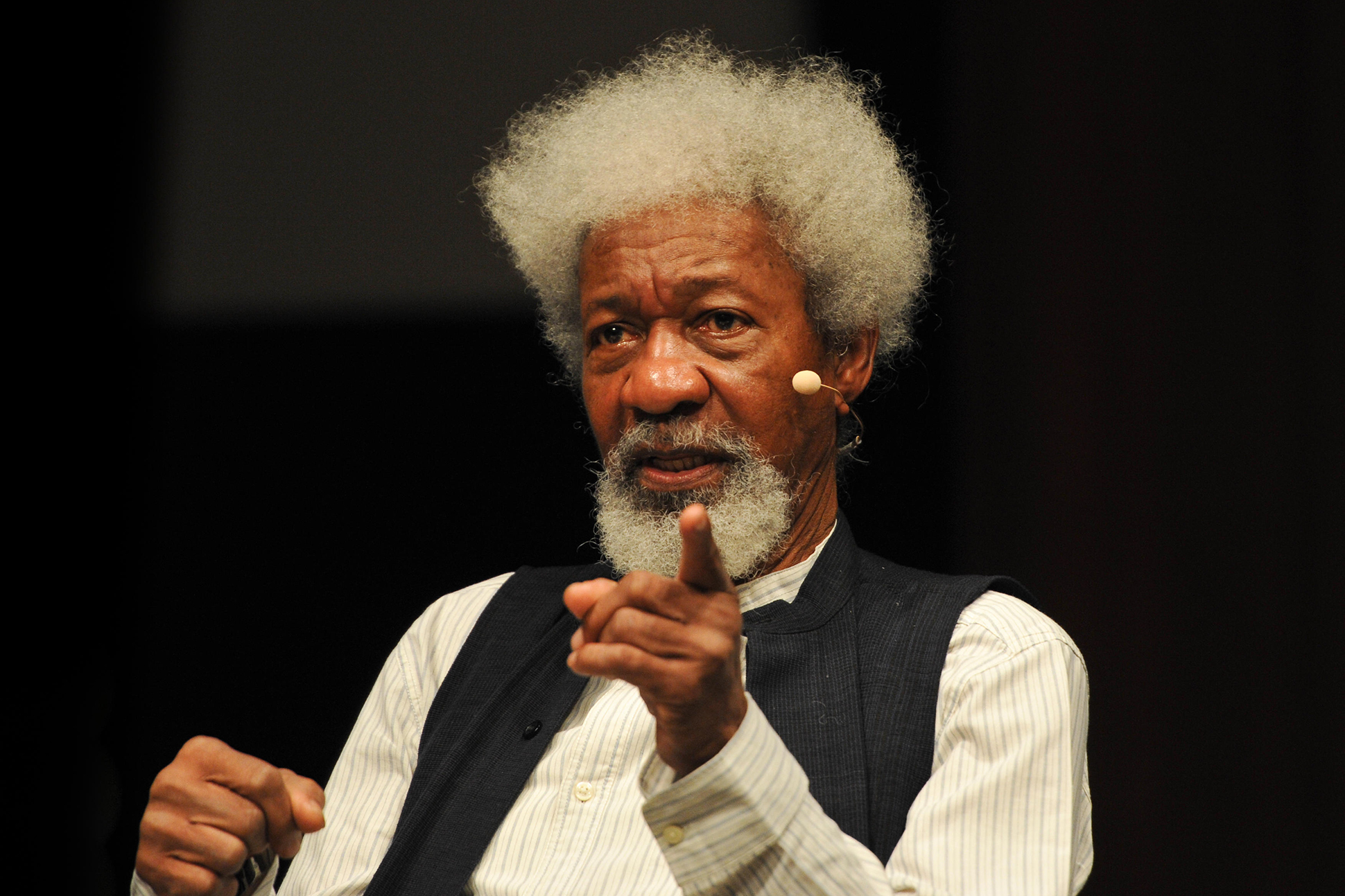
Lagos | October 2025 — It seems even Nobel Laureates aren’t safe from the quiet punishments of power. Professor Wole Soyinka, Africa’s first Nobel Prize winner in Literature and one of the continent’s most fearless voices, has revealed that the United States revoked his visa — and effectively banned him from the country.
The 91-year-old literary icon said the US consulate in Lagos invited him to bring in his passport “so his visa could be cancelled in person” after what officials vaguely described as new information coming to light. No explanation, no formal charges — just a diplomatic shrug.
“It was a rather curious love letter from an embassy,” Soyinka told journalists with a wry smile.
A Lifetime of Courage Meets Bureaucratic Censorship
For decades, Soyinka has lectured across leading American universities — from Harvard to Cornell — shaping generations of global thinkers. But the ban marks a new chapter in a long-running pattern: silence the African voice when it becomes too loud for comfort.
The writer, who once tore up his US green card in protest of Donald Trump’s 2016 victory, suspects his recent comments may have tipped the scales.
“When I called Donald Trump ‘Idi Amin in white face,’ I thought I was paying him a compliment,” he joked.
For context, Idi Amin’s regime in Uganda remains one of the bloodiest in African history. Soyinka’s comparison wasn’t flattery — it was a mirror.
What This Really Says
Let’s be honest — when a global democracy lectures the world on “freedom of speech” but bans one of Africa’s greatest minds for exercising it, the irony writes itself. This isn’t about a visa; it’s about voice.
It reveals how power still decides who gets to be radical — and who gets to be punished for it. The same man who taught the world that “the man dies in all who keep silent in the face of tyranny” now faces silence from the so-called land of the free.
Africa’s Response Should Be Clear
Wole Soyinka’s ban is not a tragedy — it’s a test. A reminder that Africa must build its own stages, its own institutions, its own forums for freedom. When the gates of others close, the continent must amplify its own microphones.
At 91, Soyinka isn’t asking for sympathy. He’s issuing a challenge — to young Africans, writers, thinkers, and leaders — to keep speaking, keep writing, keep building. Because the world still listens when Africa speaks boldly.
“How old am I?” he said with a grin when asked if he would appeal. Translation: He’s seen empires rise and fall. This, too, shall pass.
🌍 What This Means for Africa
This isn’t just about one man and a cancelled visa — it’s about who controls the narrative. Africa’s thinkers should never need foreign permission to be fearless. The continent’s intellectual independence is its truest passport.