

Restoring Dignity: Somali Women Reclaim Hope After Years of Suffering from Fistula
By Maxine Ansah

|
Getting your Trinity Audio player ready...
|
MOGADISHU, Somalia – For ten long years, Farhiya from rural Beletweyne lived in silent agony. A difficult childbirth without a skilled health worker left her with an obstetric fistula, a devastating injury that isolates countless women across Somalia. The condition, caused by prolonged obstructed labour, leaves women incontinent and vulnerable to stigma and exclusion.
“I was stressed, constantly worried and isolated from my community. I was living in my house as if I had some sort of contagious disease,” Farhiya recalled in a conversation with the United Nations Population Fund (UNFPA).
In Somalia, where six out of ten births take place without skilled medical attendance, fistula is a grim reminder of the country’s fragile maternal health system. The physical pain is compounded by social rejection, psychological trauma and financial hardship. For Farhiya, a farmer, her condition often made it impossible to work or even tend to her animals.
Her story, however, is also one of resilience and the power of community. When neighbours learned of her situation, one organised a small fundraiser to help her reach Mogadishu for treatment. The cost of surgery, approximately $800, remained far beyond her reach until she heard of a free fistula repair campaign at Dayniile Hospital. Supported by the Federal Ministry of Health, Physicians Across Continents and UNFPA, and funded by KSrelief, the King Salman Humanitarian Aid and Relief Centre, the campaign offered women like Farhiya a second chance at life.
With her community’s collective support, Farhiya made the journey to Mogadishu, where she finally received the surgery that restored her health and dignity.
Maternal health challenges in Somalia
Across the Arab region, women in Somalia, Yemen and Sudan bear the highest burden of obstetric fistula. The condition reflects deeper systemic failures in access to maternal healthcare. In Somalia, approximately 171,000 pregnant women struggle to obtain life-saving care, and four in ten receive no antenatal services at all.
The ongoing humanitarian crisis has further strained the country’s already fragile health system. Malnutrition among pregnant and breastfeeding women has reached critical levels, increasing the risk of complications during childbirth and contributing to high maternal and neonatal mortality rates.
To address these challenges, UNFPA and its partners continue to focus on reaching the most vulnerable women, those who have endured years of pain, isolation and poverty due to untreated fistula.
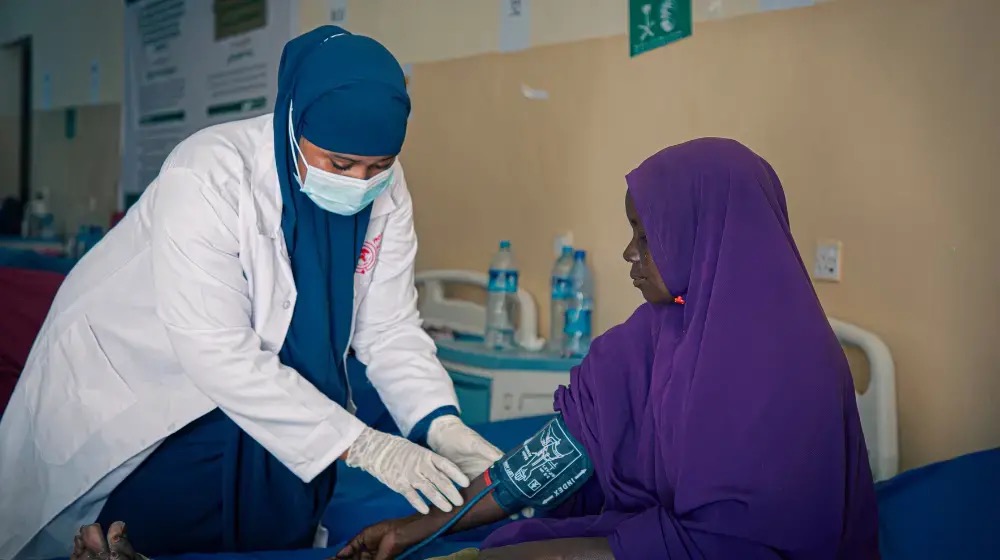
In late September, the 12th Obstetric Fistula Repair Campaign brought hope to more than a hundred women through free surgeries. Beyond direct treatment, the campaign is also raising awareness about prevention and strengthening maternal health systems to ensure safe and dignified childbirth for all women.
Dr Aisha Abdulkadir Abdullahi, a member of the medical team at Dayniile Hospital, described the transformative impact of the campaign. “Most of the patients who come to us are from rural areas, and each one of them has her own story, each more painful than the other,” she said. “With the ongoing awareness and surgical campaigns, I am hopeful that the numbers will gradually decrease and one day fistula will be fully eradicated.”
Nince’s renewed sense of belonging
Another survivor, 35-year-old Nince, faced years of hardship after developing fistula following childbirth. A mother of three, she worked as a porter in Mogadishu’s Bakara Market, earning just a few dollars a day. Her condition forced her into isolation.
“For five years, I haven’t visited any relatives or been invited to any weddings. I was too ashamed to use public transport,” she shared.
Encouraged by a friend, Nince sought help through the same campaign that transformed Farhiya’s life. After a successful surgery, she is now healthy, confident and reconnecting with her loved ones. “Now that I have had the surgery and am no longer leaking urine, I have decided to visit my relatives,” she said.
KSrelief’s ongoing support, totalling $1.45 million, has strengthened maternal and newborn healthcare in Somalia, including the provision of essential medical equipment for operating theatres at Banadir and Dayniile Hospitals. These upgrades have reduced waiting times for critical procedures, from Caesarean sections to life-saving fistula repairs.
For women like Farhiya and Nince, these interventions represent more than medical treatment. They symbolise renewed hope, restored dignity and the promise of a future where no woman has to suffer in silence.