


|
Getting your Trinity Audio player ready...
|
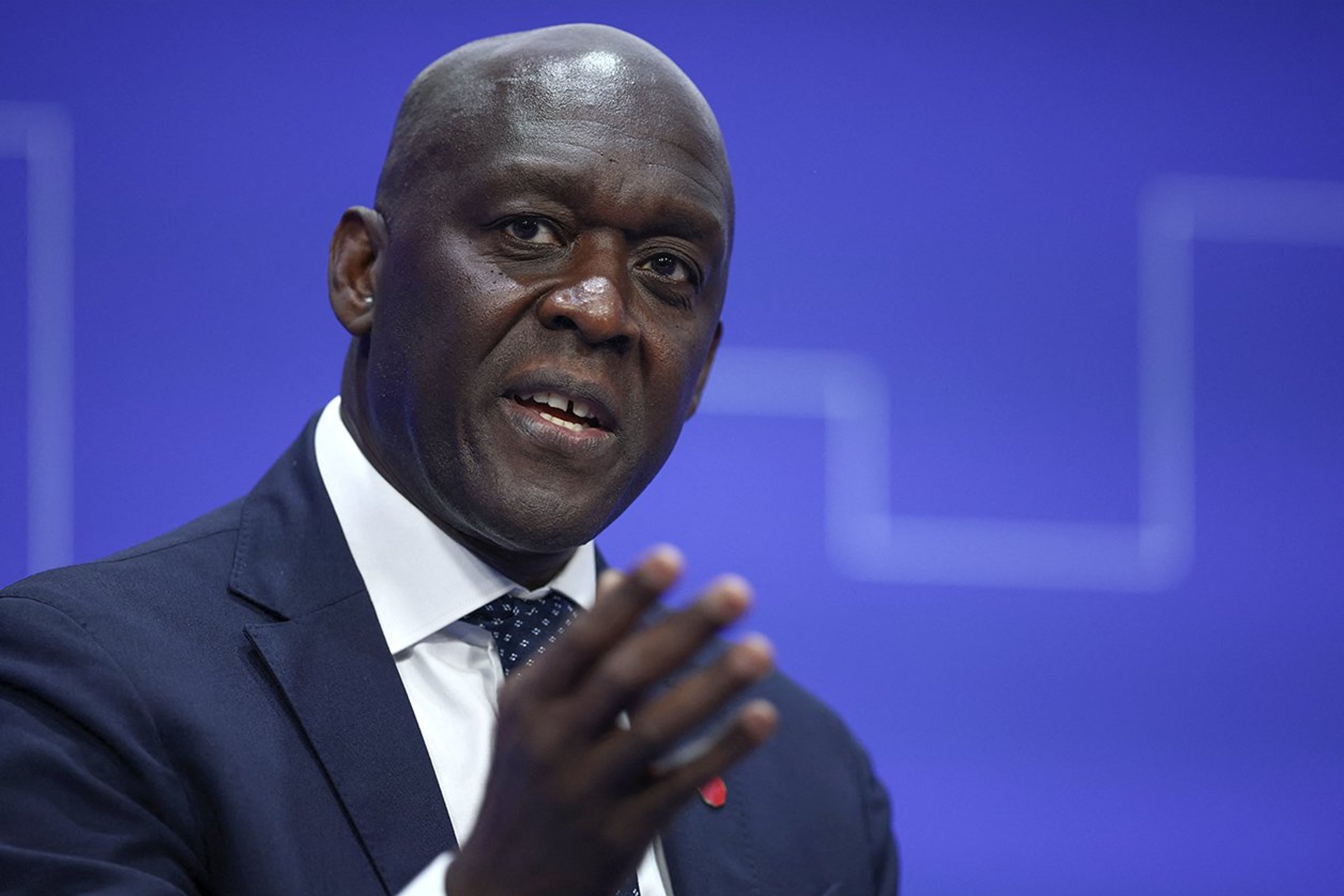
The World Bank’s private-sector arm, the International Finance Corporation (IFC), is rebranding its mission under Managing Director Makhtar Diop — and the message is simple: jobs, not jargon.
At the Africa Financial Summit in Casablanca, Diop outlined a strategy that prioritises work that cannot be offshored — the kind that powers Africa’s cities, feeds its people, and builds its middle class. It’s a deliberate shift from global rhetoric to local results.
“The future won’t be built in the clouds,” Diop said. “It will be built where people live — in farms, clinics, workshops and classrooms powered by reliable energy.”
Power Before Policy
At the heart of IFC’s plan is “M300” — an initiative to connect 300 million Africans to power sufficient not just for lighting homes but for running workshops, hospitals, and cold chains. Reliable electricity, Diop argued, is the foundation for every other development goal.
That ambition runs parallel to AgriConnect, a $9 billion programme aimed at integrating smallholder farmers into regional value chains. IFC is working with partners like Google to provide farm-level data and with OCP Group to match fertilisers to soil and crop conditions. Even climate risk is being addressed through bundled crop insurance, already piloted in Malawi by IFC-backed Pula.
“Small AI,” Big Jobs
In a continent where robotics and automation could threaten industrial jobs before they even emerge, Diop believes Africa’s comparative advantage lies in what he calls “small AI” — low-cost, practical tools that empower rather than replace people.
From diagnostic apps in rural clinics to logistics algorithms that cut delivery times, the aim is to make Africa’s workforce augmented, not obsolete. “You can’t automate compassion,” Diop noted. “But you can give every nurse and farmer access to better tools.”
Building African Capital for African Growth
Beyond technology and agriculture, the IFC’s new model seeks to mobilise African savings for African assets. Pension funds, insurers, and regional stock exchanges will play a central role in financing infrastructure — from toll roads to transmission lines — through standardised guarantees and securitisation programmes.
The goal is to make African investment as routine and scalable as global capital markets. “When African companies issue locally, subscriptions overflow,” Diop observed. “The problem isn’t appetite — it’s access.”
Rethinking Development: From Rhetoric to Results
For decades, development institutions have been accused of chasing scale without grounding. Diop’s approach turns that on its head: fewer slogans, more soldered wires.
Jobs, he insists, are created not through communiqués but through working power grids, predictable trade rules, and credit that actually reaches entrepreneurs. The IFC is betting that if it gets the basics right — energy, finance, agriculture, and skills — Africa’s private sector will do the rest.
And unlike past models, this one measures success not in pages of strategy documents but in payslips, kilowatts, and harvests.
Africa doesn’t need another vision statement. It needs infrastructure that works, industries that hire, and policies that move faster than speeches.
Diop’s IFC seems ready to deliver just that — one powered factory, one insured farmer, one connected city at a time.