

Nigeria Dumps Mother-Tongue Education While Ghana Doubles Down — So Who’s Getting It Right?
|
Getting your Trinity Audio player ready...
|
Nigeria has officially dumped its mother-tongue education policy — right at the moment Ghana is embracing it. And now the continent is watching two neighbours take completely opposite routes on how African children should learn. One says, “Back to English.” The other says, “Start with home.” So the question writes itself: Who’s the genius here?
On 12 November, Nigeria announced its full U-turn back to English-only instruction from pre-primary to secondary school. Officials called it “evidence-based,” though the evidence appears to be: exam scores were bad, so blame the language policy… instead of the system running it. Classic.
Meanwhile Ghana is doing exactly what UNESCO, AU and UNICEF have recommended for over two decades — teach children in the language they actually speak until Primary 3, build literacy properly, then transition to English smoothly.
It sounds almost too logical. Which, apparently, is why it confused people.
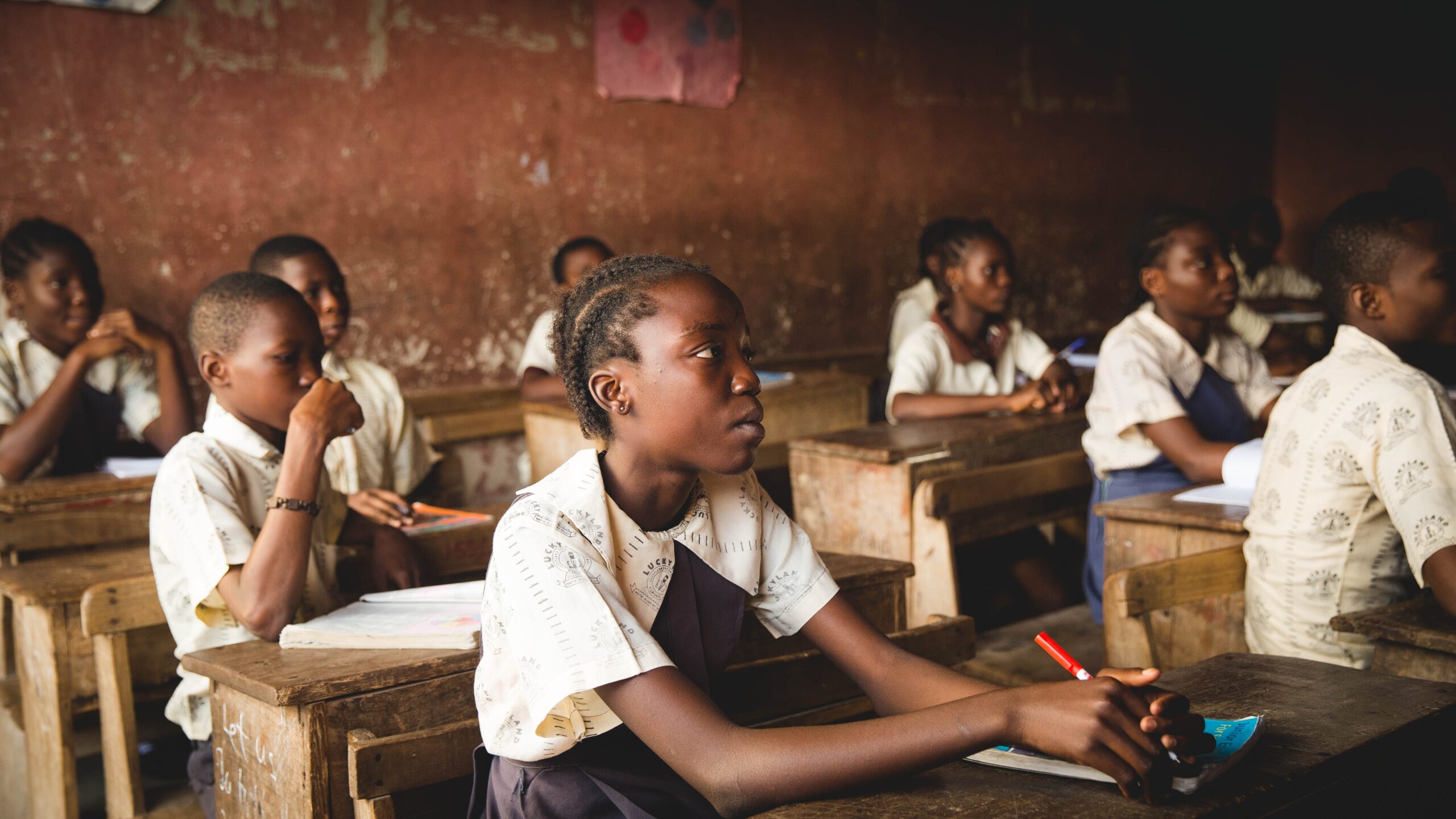
According to the 2025 UNESCO/AU/UNICEF report, four out of every five African 10-year-olds cannot read or understand a simple text. Not because they’re learning in Fante, Ewe, Yoruba or Hausa. But because the systems around them — textbooks, teacher training, classroom resources — are either underfunded, inconsistent, or simply nonexistent.
UNESCO puts it plainly:
“The language of instruction remains a significant barrier to equity in education… learning materials in indigenous and local languages are critical.”
Ghana listened. Nigeria… said “nah.”
But Nigeria’s situation isn’t as simple as a wrong turn; the country has 500+ languages, chronic teacher shortages, distribution gaps and funding bottlenecks. If the mother-tongue policy was a car, it was sent onto the highway with no fuel, no engine and no tyres. Then blamed for not moving.
Ghana’s approach is quieter, steadier and aligned with global best practice: mother-tongue from KG to P3, English afterwards. Countries with top literacy rates — from Finland to Vietnam — use the same principle: children must read well in one language before learning another.
So what’s the real argument?
Should Africa build literacy on familiar foundations? Or chase English from day one and hope children magically understand it?
Should policies be judged by design… or by how badly they were implemented?
UNESCO gives a final warning: “Many reforms fail because of insufficient teacher training, inadequate materials, and limited resources.”
Translation: you can switch the language all you want — the system still needs fixing.
This debate is not just about language. It’s about the direction of African education in the next decade. Will the continent invest in real foundational learning, or continue recycling quick fixes when exam results drop?
One thing is clear: the next few years will expose which country made the smarter choice. And Africa — the world’s youngest continent — can’t afford to get this one wrong.