

Kadmiel Van Der Puije’s Reflection on SAP Leader Wissam Kadi at Misk Global Forum’s Unscripted Session
How Wissam Kadi and SAP are shaping future leadership through youth centred dialogue

|
Getting your Trinity Audio player ready...
|
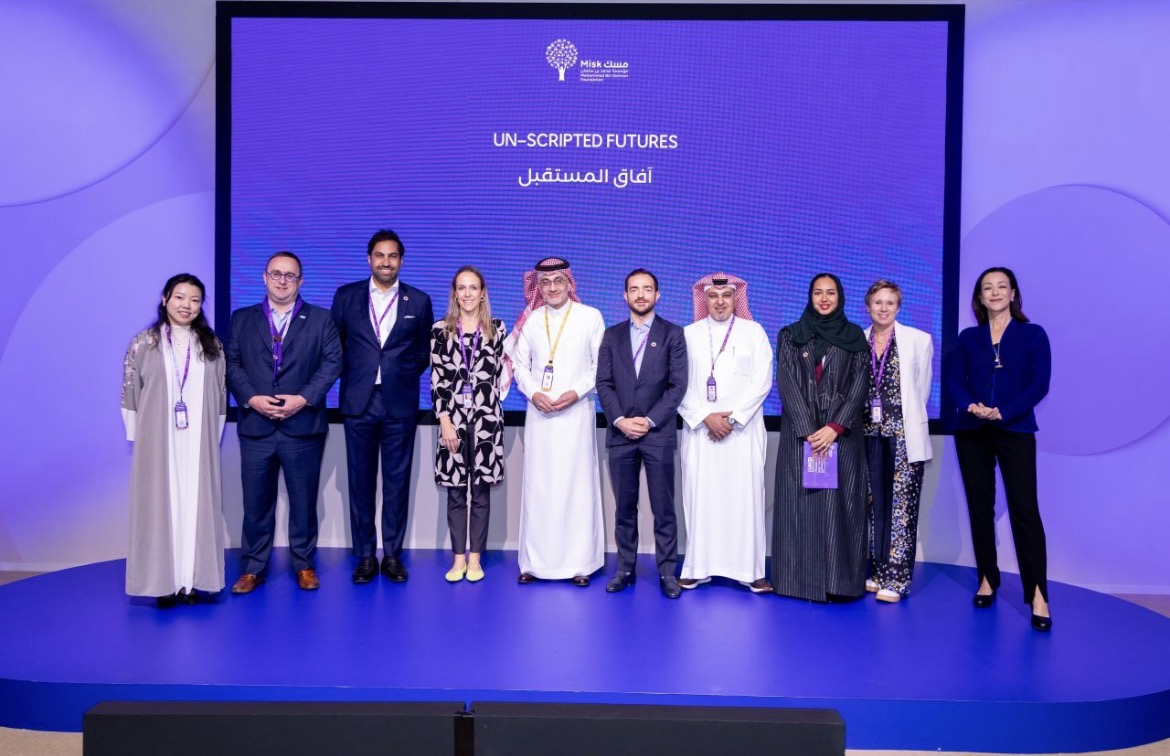
At the Misk Global Forum’s Unscripted session in Riyadh, I had the opportunity to observe and learn from the Vice President for Global Initiatives at SAP University Alliances, Wissam Kadi, as one of the key connectors guiding the intergenerational dialogue. The session brought together leaders from the private sector, the United Nations, and global institutions to rethink how collaboration between generations can shape the future. For me as a Misk Twenty Under Thirty awardee, this moment offered something deeper than a typical roundtable. It revealed how senior leaders can genuinely listen to young voices.
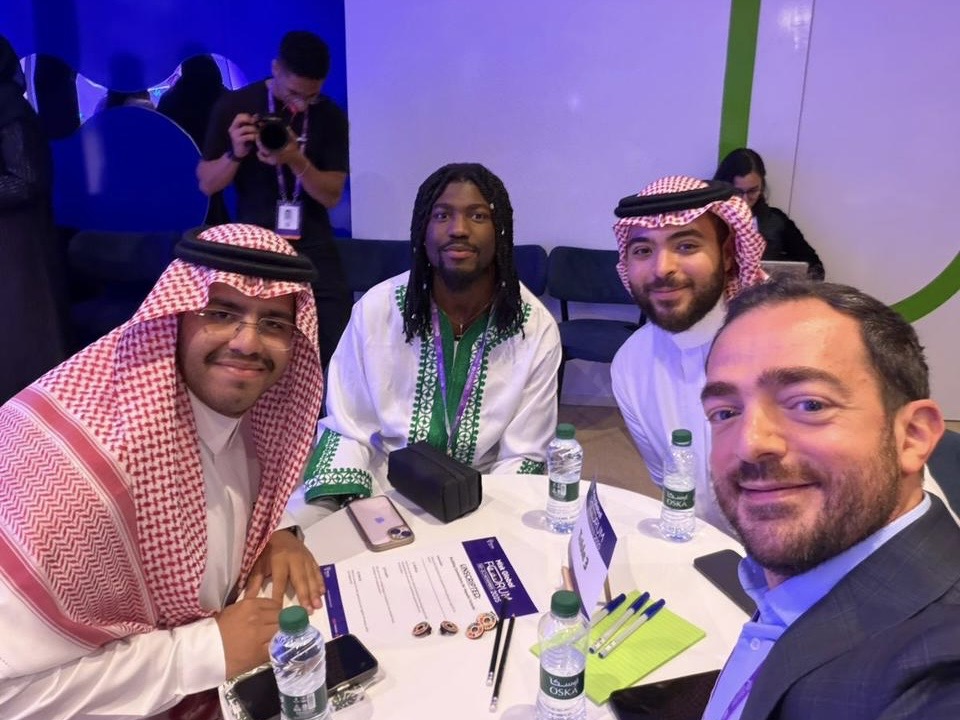
From the moment Wissam joined our table, it was clear he had come to learn as much as he had come to facilitate. His presence was intentional and grounded, and he engaged with young participants not as guests but as partners in the shared work of leadership. When he spoke, he captured a reality shaping every institution today. As he said, “The workplace is now more age diverse than ever before, with corporates having five generations.”
He emphasised that this diversity should be seen as an advantage only if organisations invest in learning and development initiatives that focus on a “balanced set of skills”- human skills and digital skills. For Wissam, the future of leadership depends on mastering both. He noted that young people bring digital instincts and adaptive thinking, while older generations offer deep experience and context. When those strengths meet, innovation accelerates.
Across the conversation he returned to one theme that stood out to me. He stressed how important it is for all sectors including private industry, the United Nations, academia, and governments to commit to intergenerational dialogue in a real and consistent way. This was not presented as a slogan but as a practical requirement for co-creating solutions. To truly innovate, he said, institutions must create spaces where generations learn from one another and build trust.
Wissam also spoke about the importance of listening skills and empathy as core leadership capacities. The more leaders practice listening, he said, the more they can understand the realities that shape people’s choices, anxieties, and ambitions. These insights become the foundation for better decisions and stronger collaborations. Watching him model this throughout the session made the message even more powerful.
As I reflected on the dialogue, it was clear that having leaders like Wissam Kadi in the room changes the energy. His approach demonstrated how senior leaders can show up with humility, curiosity, and a willingness to evolve. For young awardees like myself, this reinforces the idea that leadership is not a title but an exchange of perspectives.
Africa’s young population continues to grow at a pace unmatched anywhere in the world. Engaging seriously with intergenerational learning is not optional for our continent. It is the bridge to unlocking new industries, strengthening governance, and building resilient societies. When institutions adopt this mindset, they create environments where young Africans can lead confidently while drawing wisdom from those who paved the way.
The path ahead for Africa remains full of possibility. If more global leaders adopt the openness and collaborative spirit shown by Wissam Kadi at the Unscripted session, our region will not only participate in the future of leadership but help define it.