

Benin’s Failed Coup Exposes Regional Tensions as Talon Praises a Loyal Military and ECOWAS Steps In

|
Getting your Trinity Audio player ready...
|
Benin’s political landscape entered a turbulent chapter after an attempted military takeover briefly disrupted state institutions on Sunday before being contained by loyal forces. The group of mutineers, calling themselves the Military Committee for Refoundation, seized state television and declared the government dissolved. Their message barely circulated before Interior Ministry officials confirmed the attempt had been “foiled”, restoring calm to Cotonou as the signal to state TV and public radio returned.
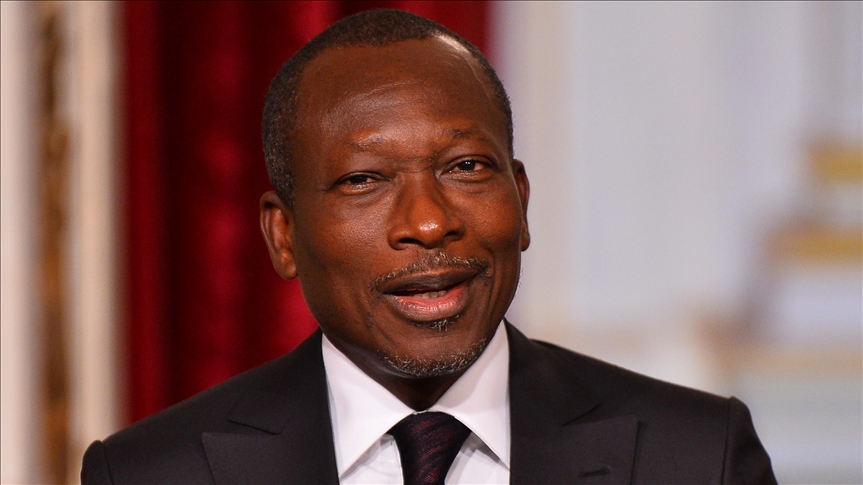
President Patrice Talon addressed the country later that evening, thanking army leadership for what he described as their unwavering loyalty. He praised their role in retaking key positions and clearing remaining resistance, stating that “this treachery will not go unpunished”. He also acknowledged victims of what he called a “senseless adventure” and noted that some individuals were still being held by fleeing mutineers. Numbers surrounding arrests and casualties remain unclear, though local media report that thirteen soldiers are currently in custody. Whether alleged coup leader Lt Col Pascal Tigri is among them has not yet been confirmed.
Despite flashes of gunfire and increased patrols in Cotonou, the city remained broadly calm. The coup attempt becomes the latest in a region grappling with recurring instability, coming shortly after Guinea-Bissau’s military takeover and continuing the streak of power struggles seen in Burkina Faso, Niger, Mali, and Guinea in recent years.
ECOWAS moved swiftly, declaring the attempted takeover a direct challenge to constitutional order. It ordered troops from Nigeria, Sierra Leone, Ivory Coast and Ghana to support Benin’s army, describing the intervention as necessary to protect the republic’s political integrity. Nigeria’s President Bola Tinubu publicly commended his own forces, following government claims that Benin made two requests for both air and ground support. According to spokesperson Bayo Onanuga, loyal forces regained control of national television with Nigeria’s assistance.
The timing of this attempted power shift is striking. Benin heads toward a presidential election in April, where Talon is set to step down after two terms. His preferred successor, former finance minister Romuald Wadagni, is widely seen as the frontrunner. Meanwhile, opposition candidate Renaud Agbodjo was barred from contesting after the electoral commission ruled he lacked sufficient political sponsors. Only weeks earlier, legislators extended presidential terms from five to seven years but kept the two-term limit intact, a constitutional adjustment that raised eyebrows across the region.
Benin’s modern political history has swung between turmoil and stability. After enduring several coups post-independence, the country enjoyed three decades of relative calm beginning in the early nineties. The events of this week serve as a reminder that even states regarded as stable can be vulnerable when economic pressures, political grievances and regional insecurity intersect.
For now, Benin moves forward with restored institutions, unanswered questions and a population watching closely as the election period approaches. And once again, West Africa finds itself confronting familiar patterns of contestation while still searching for durable democratic footing.
TVOA’s reflection
Even in moments of disruption, Africa’s story does not end in the chaos others amplify. Benin’s response shows a continent still learning, still pushing, still young in its democratic journey as nations shape institutions barely decades old compared to centuries elsewhere. Hope remains in the resilience of our people and the expectation that each political test, however difficult, becomes part of building a stronger and more accountable future.
Benin coup, Benin coup attempt, Patrice Talon, Benin president, Benin mutiny, Benin soldiers, Military Committee for Refoundation, Lt Col Pascal Tigri, ECOWAS intervention, West Africa security, Nigeria ECOWAS support, Benin political crisis, Benin election 2026, Romuald Wadagni, Renaud Agbodjo, Benin military loyalty, Cotonou unrest, African coups, West African coups, regional stability Africa, ECOWAS troops, Nigerian military support, Sierra Leone troops, Ivory Coast troops, Ghana troops, constitutional order Benin, Benin army, African democracy, Benin government response, African governance, Benin state television takeover, coup news Africa, West Africa politics, instability in Benin, Guinea-Bissau coup, Niger coup, Mali coup, Burkina Faso coup, African elections, African political transition, Benin term extension, Benin constitution, French colonial history Benin, African leadership, African regional blocs, ECOWAS crisis response, African Union position, political tension Benin, Cotonou military patrols, Africa news update, African security challenges, African political reform, West Africa instability, Nigeria Benin cooperation, Benin hostages, Benin casualties, Benin arrests, Benin mutineers, Talon speech, national broadcast Benin, state TV Benin, Africa governance patterns, Benin independence history, African military interventions, African justice system, Benin judiciary, coup leader search, Tigri whereabouts, African political analysis, West Africa peace efforts, regional diplomacy Africa, Nigeria foreign policy Africa, ECOWAS security mandate, African nation building, democracy in Africa, African youth political future, African resilience, continental governance, Africa political recovery, Benin stability, African sovereignty, national unity Benin, Benin opposition, Talon successor, Kenya West Africa relations, continental political news, Africanews Benin, Africa breaking news, coup prevention Africa, Benin rule of law, Africa leadership challenges, Africa democratic institutions.