

Iyas Begriche and the Cultural Moment That Put Algeria at the Center of Global Youth Media


|
Getting your Trinity Audio player ready...
|
In an era where African and diaspora narratives are often filtered through outside lenses, Iyas Begriche has carved out a lane that feels both intimate and globally relevant. Rooted in Algerian identity and shaped by life between cultures, Begriche has become one of the most recognizable digital storytellers translating North African culture for a new generation.
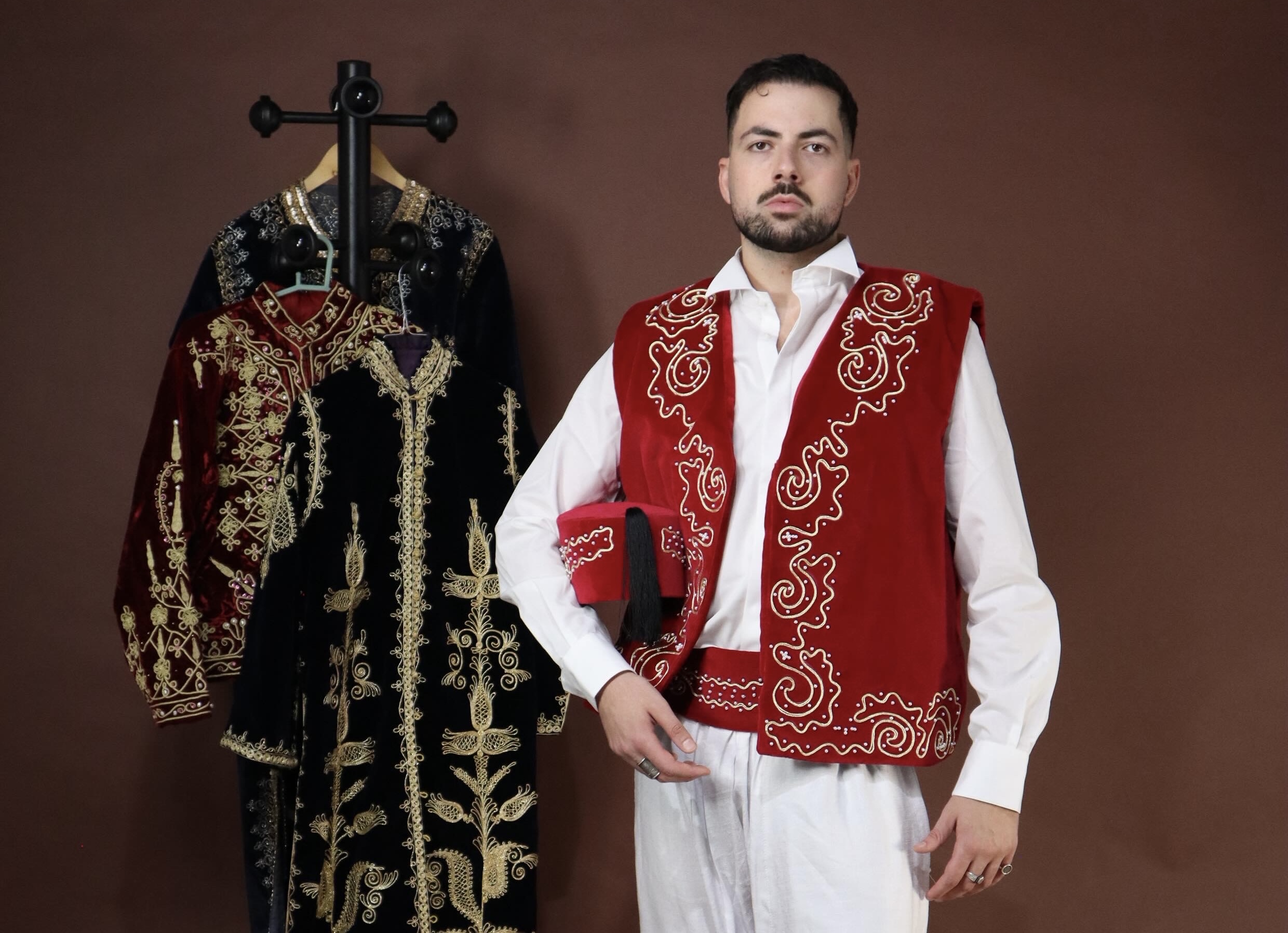
His hosting during the now‑viral Algeria visit featuring global streamer IShowSpeed marked a defining moment not just for his personal platform, but for how African countries are being introduced to youth audiences worldwide. The project went beyond entertainment. It became a cultural exchange executed in real time, blending humor, tradition, and raw street‑level authenticity.
A Cultural Translator, Not Just a Creator
What separates Iyas Begriche from the overcrowded influencer economy is intention. His content does not exoticize Algeria, nor does it dilute it for mass consumption. Instead, he places everyday Algerian life front and center. The food. The music. The elders. The architecture. The unfiltered energy of the streets.
During the Algeria collaboration with iShowSpeed, Begriche played the role of cultural bridge. He guided the experience organically, allowing moments to unfold rather than scripting them. That authenticity is precisely why the video resonated so widely and became one of TVOA’s biggest digital moments.
This was not tourism content. It was lived culture.
Algeria as a Character in the Story

One of Begriche’s greatest strengths is how he frames Algeria not as a backdrop, but as a character. His visuals linger on small details many overlook. A family table. A courtyard filled with music. Generational conversations happening without subtitles because they do not need them.
That same philosophy extends into his literary work.
“D’origine algérienne”: Memory as Identity
Begriche’s book D’origine algérienne is not a celebrity side project. It is a deeply reflective exploration of heritage, migration, and belonging. Through personal storytelling, he documents what it means to carry Algeria with you, even when distance, language, or geography complicates that relationship.
The book’s visual symbolism, including the use of family portrait aesthetics and traditional Algerian design elements, reinforces a central idea. Identity is not loud. It is preserved quietly, passed down, and protected.
For many young people across the African diaspora, the book speaks to a shared reality. Being from somewhere deeply, even when the world insists on simplifying that origin.
Collaboration With Purpose
The TVOA collaboration worked because values aligned. Both platforms prioritize African narratives told with dignity, humor, and forward vision. The Algeria project did not chase virality for shock. It earned attention by being real.
That authenticity is what modern audiences respond to. Especially Africa’s youth.
Beyond Numbers, Toward Legacy
With a rapidly growing following, Begriche sits at the intersection of culture, storytelling, and responsibility. Yet his work consistently resists the shallow cycle of trends. Instead, it contributes to something longer lasting. Cultural documentation in a digital age.
He represents a generation that understands that influence is not about volume, but about accuracy. About showing Africa and its diaspora as complex, evolving, and proud.
The Voice of Africa’s Insight
Africa and its global descendants are young. Our stories are still being written, still finding language, still defining scale. Comparing that journey to nations with centuries of uninterrupted narrative power misses the point entirely.
What creators like Iyas Begriche demonstrate is that representation does not need permission. It needs patience, honesty, and platforms willing to tell stories as they are, not as outsiders expect them to be.
And in that future, shaped by collaboration and cultural confidence, Africa is not catching up. It is arriving in its own time, on its own terms.