


|
Getting your Trinity Audio player ready...
|
Niger’s military‑led authorities have announced plans to take legal action against French uranium company Orano, accusing the firm of causing serious environmental and public health damage during decades of mining operations in the country.
Speaking on Wednesday, Niger’s Justice Minister Alio Daouda said the state would pursue cases in both domestic and international courts, alleging that Orano stored hundreds of barrels of radioactive waste near the northern mining town of Arlit, endangering local communities.
According to Nigerien authorities, around 400 barrels of radioactive material remain at former mining sites operated by Orano, which officials describe as an “ecological disaster” with long‑term consequences for public health and the environment.
Legal Escalation Amid Breakdown in Relations
The announcement marks the latest escalation in deteriorating relations between Niger’s post‑coup leadership and France, following the military takeover in 2023 and the country’s broader pivot away from Paris toward new international partners.
After seizing power, Niger’s authorities revoked Orano’s operating licence for the Imouraren uranium deposit and later nationalised its subsidiary Somair, which operates the country’s only remaining active uranium mine.
Somair had previously been jointly owned by the Nigerien state and Orano. The company is now fully under state control.
Officials in Niamey say the legal action seeks both criminal accountability and financial reparations for alleged environmental harm accumulated over decades of uranium extraction.
Orano Pushes Back
Orano, which is 90 percent owned by the French state, has rejected the allegations and has itself launched several legal proceedings against Niger, accusing the authorities of unlawfully confiscating its assets.
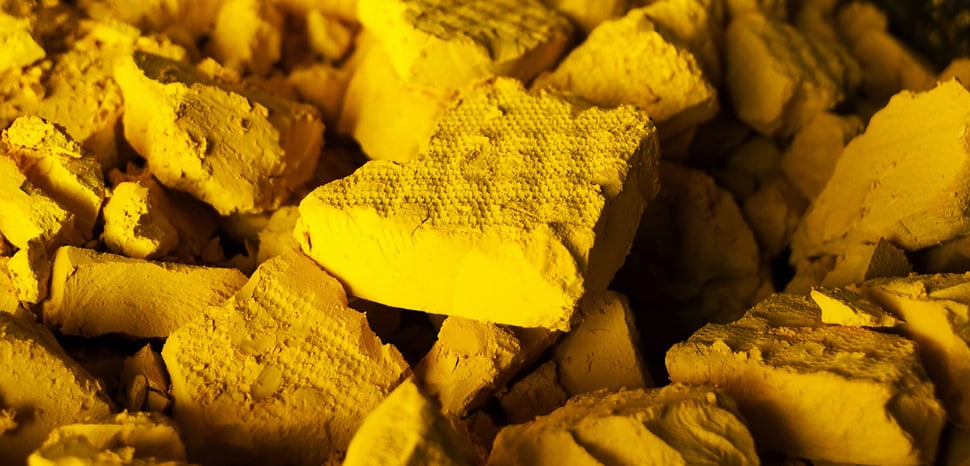
The company has also warned against any attempt to sell uranium stockpiles it claims as its property. In November, Orano said at least 1,000 tonnes of yellowcake — concentrated uranium — had been removed from the Arlit site without its consent.
That shipment has since been blocked at Niamey airport, which was the target of a jihadist attack in late January claimed by the Islamic State group.
Orano has valued the disputed uranium stockpile at approximately $354 million and has vowed to continue legal action against Niger and any third parties seeking access to the material.
Strategic Resource at the Centre of a Political Shift
Uranium was first discovered in Niger in 1957, during French colonial rule, with industrial mining beginning in 1971. The country remains one of the world’s key uranium producers.
In 2023, Niger produced 3,527 tonnes of uranium, accounting for 6.3 percent of global output, according to industry data. Uranium exports have historically been central to Niger’s economy, while also symbolising its unequal post‑colonial relationship with France.
For Niger’s military leadership, the dispute with Orano has become emblematic of a broader effort to reclaim control over strategic resources, redefine foreign partnerships, and assert national sovereignty.
The legal battle is expected to further strain relations between Niamey and Paris and could have wider implications for uranium supply chains, regional geopolitics, and foreign investment across the Sahel.