

Aid Under Fire: WFP Halts Operations in Baliet County After River Convoy Attacks
By Maxine Ansah

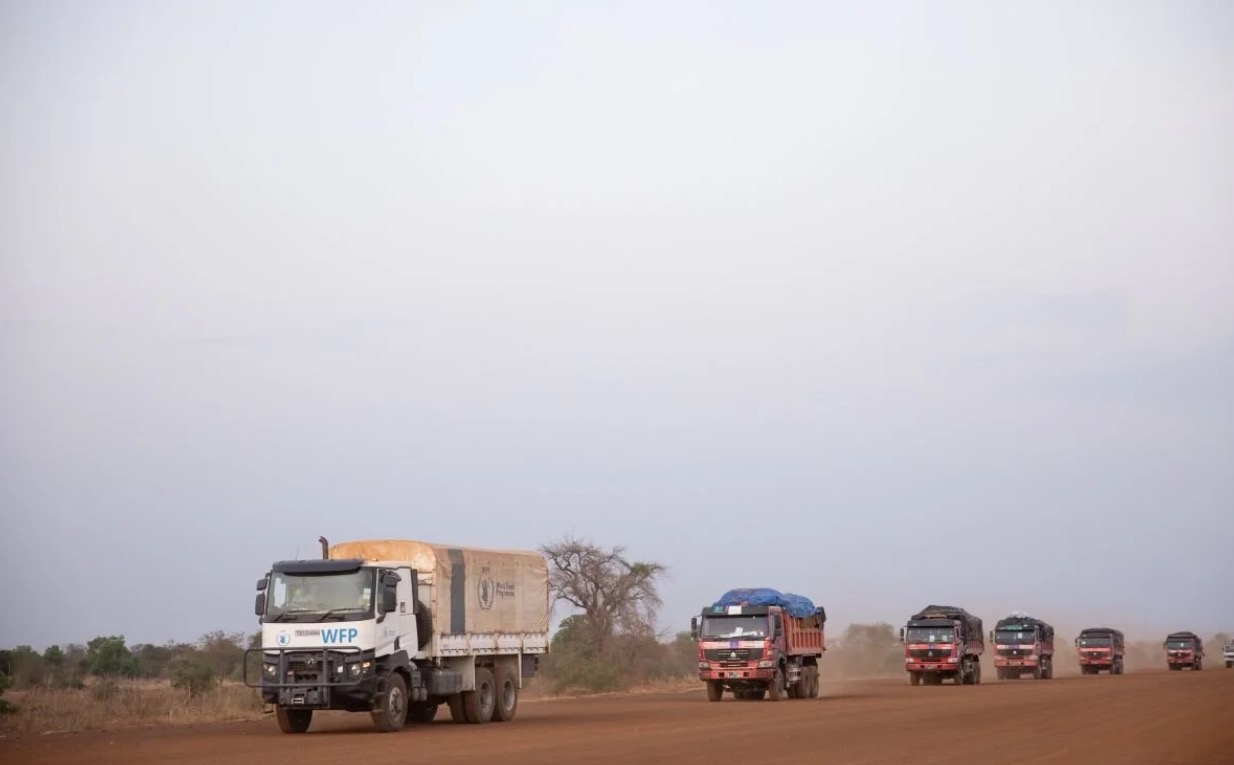
The United Nations World Food Programme has suspended all humanitarian activities in Baliet County, Upper Nile State, following a series of violent attacks on its river convoy that left critical food assistance looted and humanitarian space further eroded in South Sudan.
World Food Programme strongly condemned the incidents, which occurred between 30 January and 1 February, involving a 12-boat convoy transporting more than 1,500 metric tonnes of life-saving food assistance. The convoy was attacked multiple times by armed youth while navigating through Baliet County. In addition to food supplies, the cargo included non-food items transported on behalf of humanitarian partners.
Despite prior security assurances and guarantees from authorities for safe humanitarian movement, the commodities were looted overnight by members of the community, with no security intervention by county authorities. WFP stated that all activities in Baliet County will remain suspended until the safety of its staff, partners and contractors is assured, and until the Government of South Sudan takes immediate steps to recover the stolen supplies.
The agency stressed that attacks on humanitarian workers and assets are never acceptable, urging all parties to respect humanitarian principles and protect the facilities and resources essential for delivering aid to civilians in need.
Beyond Upper Nile State, WFP raised serious concerns about the deteriorating security situation in Jonglei State, where armed conflict between government forces and opposition groups has damaged vital humanitarian infrastructure. Warehouses and health facilities have been destroyed in multiple locations, including Akobo, Ayod, Nyirol and Uror, further constraining already fragile humanitarian operations.
These access constraints and direct attacks on convoys are placing WFP’s wider response at risk. The organisation warned that its ability to reach more than 4.2 million vulnerable women, men and children across the country is under threat. In Jonglei State alone, insecurity has forced WFP to pause plans to pre-position 12,000 metric tonnes of food ahead of the rainy season, a critical period when access becomes even more difficult.
WFP continues to provide life-saving emergency food assistance, nutrition support, school meals, resilience programmes and cash-based transfers across South Sudan. However, the agency made clear that without respect for humanitarian space and the protection of aid workers and supplies, these efforts cannot be sustained.
For African countries like South Sudan, still young in statehood and bearing the long shadow of conflict, the protection of humanitarian access is not only a legal obligation but a test of collective responsibility. As communities across the country face hunger, displacement and insecurity, safeguarding aid corridors is essential to preserving lives today while creating the fragile breathing space needed for recovery tomorrow.