

Brazil Boosts Lifeline for Sahrawi Refugees as Food Needs Remain Acute
By Maxine Ansah

|
Getting your Trinity Audio player ready...
|
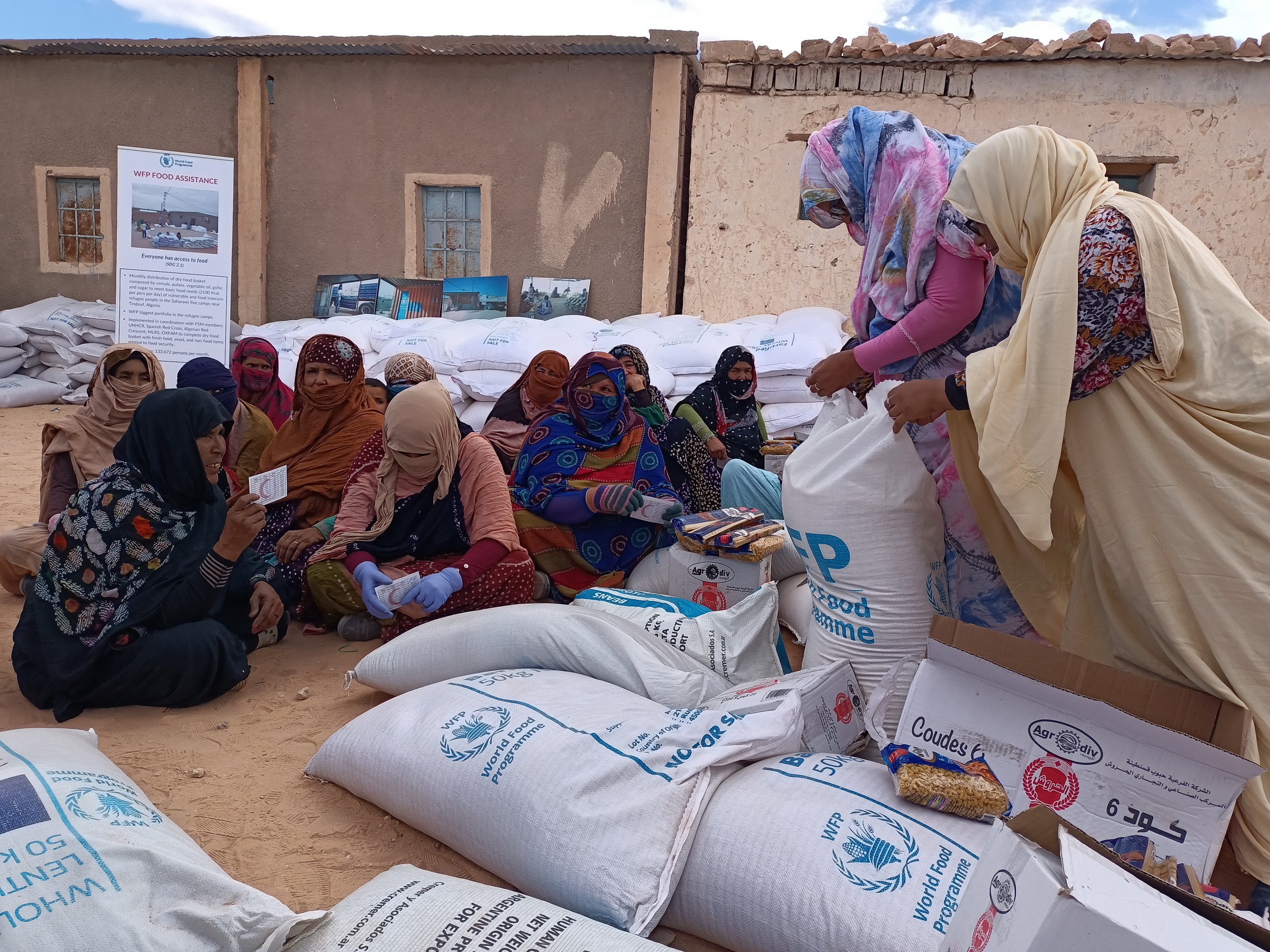
The Government of Brazil has provided a contribution of US$120,000 to support life-saving food assistance for Sahrawi refugees living in camps in south-west Algeria, reinforcing international support for one of the world’s longest-running refugee situations.
The funding will help the World Food Programme meet urgent food needs in five refugee camps near Tindouf, where Sahrawi refugees have lived since 1975 under severe desert conditions. With limited livelihoods and harsh environmental pressures, humanitarian assistance remains essential for daily survival.
More than 80 per cent of the camp population depends entirely on humanitarian aid to meet basic food needs. WFP, working in partnership with the Algerian Red Crescent, distributes monthly food rations adapted to nutritional requirements. The agency has also increased its focus on nutrition-sensitive programmes, including Social Behaviour Change initiatives aimed at tackling malnutrition among children and pregnant women, while promoting healthier dietary practices.
“This timely contribution provides the critical resources needed to sustain food assistance and optimise our operations in the camps,” said Aline Rumonge, WFP Representative and Country Director in Algeria, welcoming Brazil’s continued support and commitment to humanitarian principles.
In 2025, WFP delivered more than 22,000 metric tonnes of food to 133,000 people across the camps. Assistance included monthly cash-based transfers for 8,600 pregnant and breastfeeding women to improve dietary diversity and reduce anaemia, alongside specialised nutritious food to prevent and treat moderate acute malnutrition among 15,000 children under five.
Brazilian Ambassador to Algeria Marcos Pinta Gama reaffirmed his country’s position, noting that Brazil remains committed to supporting Sahrawi refugees through both financial contributions and in-kind donations from the government and private sector, in recognition of the prolonged hardships faced by the refugee population.
WFP has supported Sahrawi refugees in Algeria since 1986 and continues to coordinate closely with national and international partners to ensure food assistance reaches those most in need. The agency is also seeking to broaden collaboration with both traditional and emerging government donors to sustain operations amid rising global humanitarian demands.
For Africa, the Sahrawi refugee situation is a reminder of how unresolved political crises can translate into decades of human vulnerability. As African states remain comparatively young and still navigating the legacies of displacement and conflict, sustained international solidarity, paired with regional resilience, remains vital. The challenge is not only to keep people alive today, but to preserve dignity and hope for future generations who have known little else but exile.