

US Eases Sanctions on Senior Malian Officials as Washington Recalibrates Africa Policy

|
Getting your Trinity Audio player ready...
|
BAMAKO — The United States has lifted sanctions on several senior Malian officials previously penalized over alleged links to the Russian mercenary network Wagner, signaling a potential shift in Washington’s approach to West Africa.
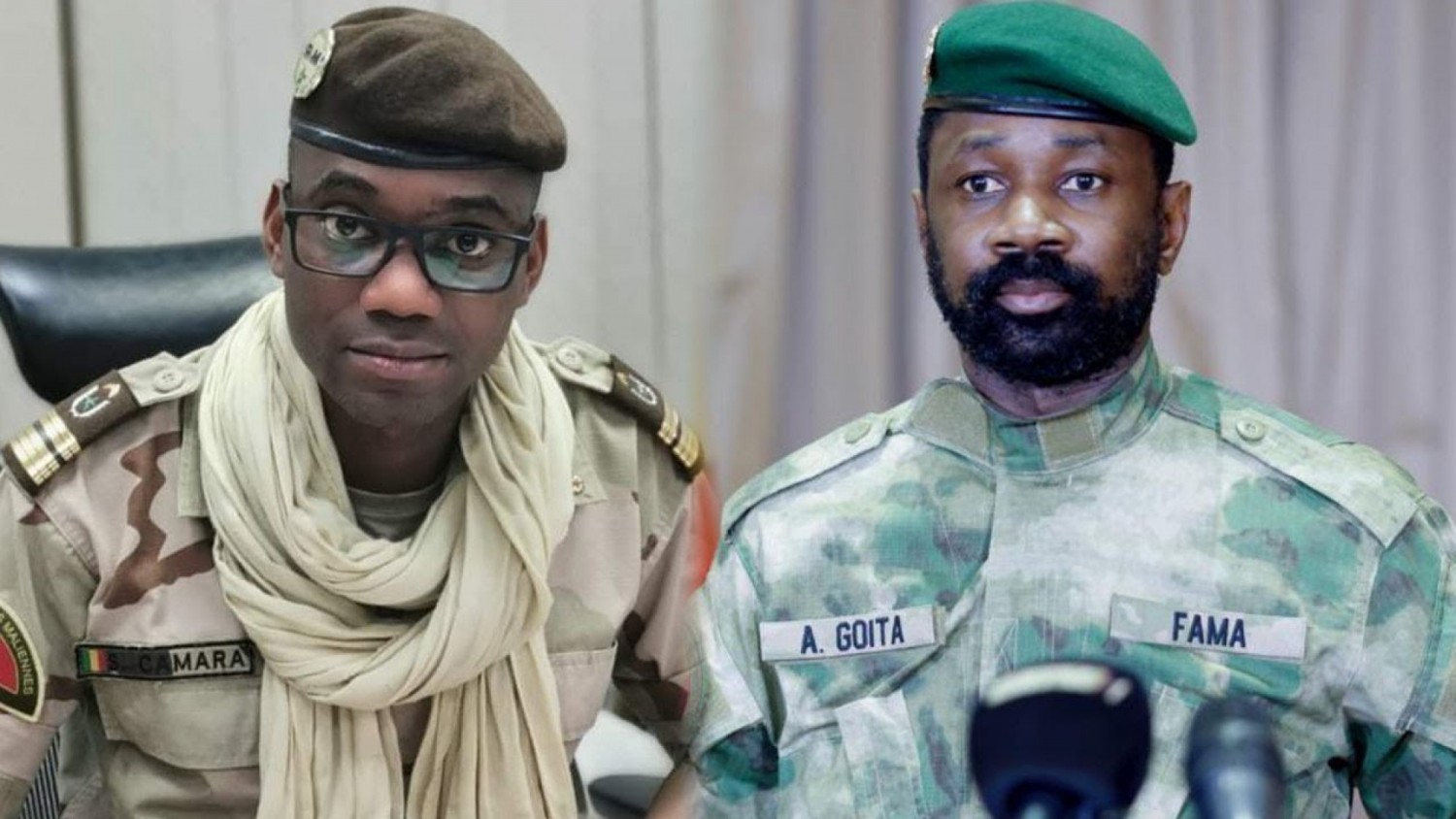
According to a notice issued by the US Treasury Department, sanctions were eased on Mali’s Defense Minister Sadio Camara, along with military officials Alou Boi Diarra and Adama Bagayoko. The officials had been targeted over accusations that they facilitated the deployment and expansion of Wagner’s activities in Mali.
The Treasury Department did not provide detailed justification for the decision, but the move comes at a time when Washington is reassessing its engagement strategy across the continent.
Wagner, which expanded its footprint in Africa over the past several years, provided military advisors and security support to governments including Mali and Libya. Following the death of Wagner founder Yevgeny Prigozhin in 2023 after a short-lived mutiny in Russia, Moscow shifted control of many African security operations to a structure known as the Africa Corps, operating under the Russian defense ministry.
A Strategic Adjustment in West Africa
The easing of sanctions is likely to be interpreted as part of a broader recalibration of US-Africa relations, particularly in the Sahel, where geopolitical competition has intensified.
Mali’s military government, led by Colonel Assimi Goïta, has strengthened ties with Russia following strained relations with Western partners. The country’s pivot away from traditional Western security partnerships has reshaped regional dynamics, especially as France and other European actors reduced their military presence.
For Washington, the decision could reflect a pragmatic attempt to maintain channels of communication with Bamako amid shifting alliances and evolving security realities in the Sahel.
The Broader Geopolitical Context
The Sahel remains one of the most volatile regions globally, facing insurgencies, political instability, and military transitions. Mali’s engagement with Russian security structures drew criticism from Western governments, which warned of increased instability and human rights concerns linked to mercenary deployments.
However, regional governments have also emphasized sovereignty and diversified partnerships as part of a broader push to redefine post-colonial security relationships.
The US decision does not necessarily signal endorsement of Mali’s security partnerships. Instead, it suggests a more flexible diplomatic posture as Washington navigates a multipolar contest for influence in Africa.
What This Means for Africa
For African states, the development underscores a growing reality: global powers are adjusting their Africa strategies in response to changing political alignments on the continent.
Sanctions, once used as a primary pressure tool, are increasingly part of a more fluid diplomatic toolkit. As African governments assert greater autonomy in foreign policy decisions, external actors are recalibrating rather than retreating.
The Sahel’s trajectory will continue to shape broader African security architecture. What remains clear is that Africa is no longer a passive arena of influence. It is an active geopolitical center where strategic decisions made in Bamako, Washington, Moscow, and Brussels intersect.
Africa’s institutions are still evolving, its alliances are still being negotiated, and its political frameworks are younger than many long-established global powers. Yet the direction is unmistakable. The continent is defining its partnerships on its own terms, navigating a complex global order while building systems that reflect its realities and ambitions.