

Women Judges Transform Justice Systems and Strengthen the Rule of Law
By Maxine Ansah
Women Judges Strengthening Justice Systems in Africa
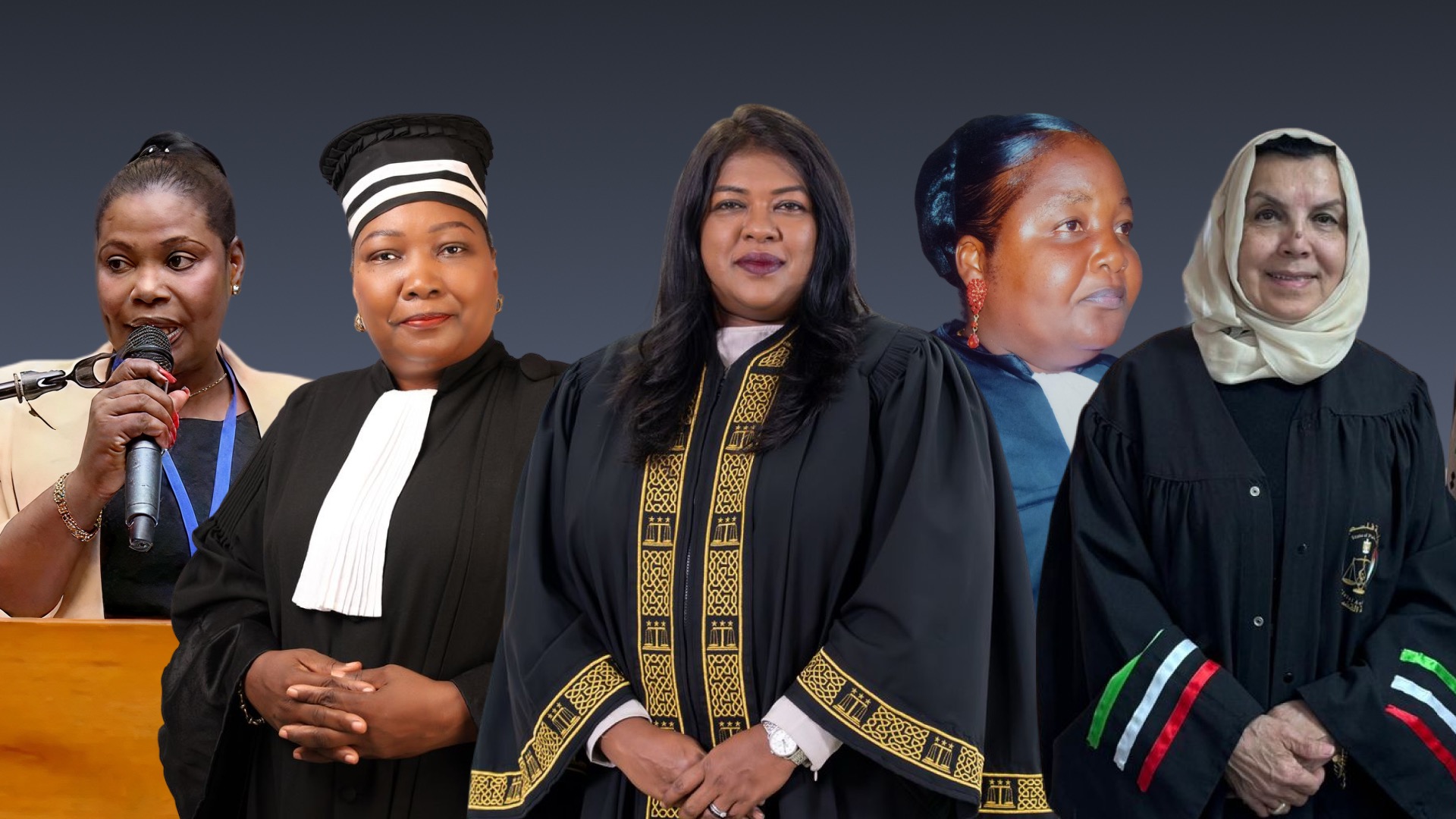
Women judges are transforming justice systems across Africa and beyond. As more women judges take their place on the bench, justice systems become more representative, more trusted and more responsive to the needs of communities. Strengthening the presence of women judges in courts is increasingly recognised as essential for advancing the rule of law and ensuring justice systems reflect the societies they serve.
Across Africa, women judges are demonstrating how inclusive leadership can reshape justice systems. Their decisions influence property rights, inheritance claims, family disputes and broader questions of accountability. When courts reflect the diversity of the people they serve, communities gain confidence that justice systems are fair and accessible.
In the Democratic Republic of the Congo, Judge Nelly Seya Kazadi, President of the Court of Appeal in South Kivu, has seen how women judges strengthen justice systems at the grassroots level.
“I cherish the time when I was appointed the head of a village court. For decades, local women had been deprived of their inheritance rights. They felt reassured when they saw one of their own and came forward to claim justice. Having more women judges helps women speak openly about their concerns. Communities benefit from fairer decisions and a judiciary that reflects their diversity,” she said.
Her experience highlights how women judges improve access to justice and help courts better understand the realities facing women and families in their communities.
Barriers Women Judges Face in Justice Systems
Despite these contributions, women judges remain underrepresented in many justice systems around the world. Structural barriers, cultural expectations and gender bias continue to shape recruitment, promotion and leadership opportunities within the judiciary.
In Haiti, Judge Grecia Norceus has served in the judiciary for more than two decades while advocating for stronger justice systems and greater representation of women judges.
“Women should take their rightful place in justice and decision making. Senior women magistrates, who often work quietly behind the scenes, must serve as role models. A judicial system that recruits and promotes professional women who uphold ethical standards strengthens public trust in justice institutions and fosters social peace,” she said.
Across different regions, similar barriers have shaped the journeys of women judges. In the State of Palestine, Judge Eman was able to pursue legal studies because her father, a customary law judge, supported her ambitions. She later became the first woman judge in Palestine.
Her work extended beyond the courtroom. Judge Eman helped design a judicial conduct manual promoting survivor centred adjudication and fair judicial practice. She also authored a book on judicial codes of conduct which is now used at the Judicial Institute in Palestine. Today she serves as Deputy Chief Justice.
Women Judges Defending the Rule of Law
For some women judges, strengthening justice systems involves significant personal risk. In Haiti, Judge Magarette Georges of the Court of Appeal of Cap-Haïtien has faced threats while presiding over sensitive cases.
“Most of the difficult and dangerous cases are assigned to me. I have survived several ambushes. I often change cars through carpooling. Armed men once came to fire shots at my house,” she said.
Despite these dangers, her determination to confront obstruction of justice reflects the resilience of many women judges working in fragile contexts.
Global Efforts Supporting Women Judges in Justice Systems
Efforts to strengthen the role of women judges in justice systems are gaining momentum worldwide. Reliable data on representation is increasingly recognised as essential for reform.
The Gender Justice Platform, a global initiative led by UNDP and UN Women, aims to advance women’s leadership in justice systems while expanding access to justice for women and girls.
Through this initiative, UNDP launched the Women in the Judiciary Dashboard, the first global tool tracking women judges in more than 120 countries. By converting official data into a publicly accessible resource, the platform enables governments, civil society organisations and international partners to identify barriers and design reforms.
The Gender Justice Platform has also supported the first network of women judges in Africa, creating space for mentorship, collaboration and stronger collective voices within justice systems.
International organisations such as the International Association of Women Judges connect more than 6,500 judges across over 100 jurisdictions. The network helps women judges challenge discriminatory laws, eliminate gender bias in courts and strengthen justice systems that are fair and inclusive.
Women Judges and the Future of Justice Systems
Expanding the number of women judges is essential for building stronger justice systems. Transparent judicial appointments, gender responsive training and investment in mentorship networks can help more women advance to leadership positions within courts.
Across Africa, women judges are already demonstrating how inclusive leadership strengthens justice systems and improves access to justice. Their work shows that when women judges sit on the bench, communities feel more confident engaging with courts and seeking legal protection.
For African countries, many of which are still strengthening democratic institutions and legal frameworks, the rise of women judges represents both progress and possibility. As more women enter the judiciary and assume leadership roles, justice systems will continue evolving to reflect the diversity, experiences and aspirations of the societies they serve.
women judges, women in the judiciary, African women judges, women judges Africa, gender equality judiciary, rule of law Africa, women leadership judiciary, women judges justice systems, women in courts Africa, women legal leadership Africa, gender representation judiciary, justice reform Africa, women judges Democratic Republic of Congo, Nelly Seya Kazadi, women judges Haiti, women leadership courts, women magistrates Africa, African rule of law, women representation courts, justice systems reform Africa, women judges global south, women leadership justice sector, gender justice courts, judicial reform women leadership, women judges networks Africa, women access to justice Africa, UNDP gender justice platform, UN Women justice initiatives, inclusive justice systems, gender responsive courts, women legal empowerment Africa, women in law Africa, justice institutions diversity, women judges statistics, judicial leadership women, women judges global networks, African legal leadership women, women judiciary reforms, gender equality courts Africa, women leadership rule of law, women judges mentorship Africa, justice sector gender equality, African women legal pioneers, women decision makers judiciary, women legal representation courts, women leadership governance Africa, judicial equality reforms, women judges peacebuilding, women leadership justice policy, gender responsive justice institutions, women judicial leadership Africa, women legal role models Africa, women representation justice institutions, African justice reform women, women judges advocacy, gender equality SDG justice, women in constitutional courts, women in supreme courts, justice leadership women Africa, gender justice initiatives Africa, women legal leadership global south, African women judiciary leadership, women empowerment justice sector, women judges international networks, women courts authority Africa, gender parity judiciary, women legal professionals Africa, women leadership legal reform, women justice advocates Africa, gender equality legal institutions, African justice transformation, women leadership courts Africa, women judges development policy, judicial diversity Africa, women judges rule of law Africa, women legal reform leaders, women judges representation data, UNDP women judiciary dashboard, women judicial training gender, women judges policy reforms, women access courts Africa, women judiciary empowerment, gender inclusive justice systems, women leadership justice reform, women legal equality Africa, African women in law leadership, women courts governance Africa, gender equality judicial appointments, women legal leadership networks, justice equality Africa women, women judges global leadership, gender balanced judiciary Africa, women leadership justice institutions