

Ghana Secures $2.8 Billion Debt Relief from Creditors to Ease Economic Burden

|
Getting your Trinity Audio player ready...
|
Ghana has officially secured a $2.8 billion debt relief agreement from a group of 25 creditor nations, including major economies such as China, France, the United States, Germany, and the United Kingdom. The deal, approved by Ghana’s Parliament, is a major milestone in the country’s efforts to stabilize its economy and meet key benchmarks under its ongoing $3 billion bailout program with the International Monetary Fund (IMF).
The agreement restructures Ghana’s debt service obligations that were originally due between December 2022 and December 2026. These payments have now been postponed to the 2039–2043 period, giving the government significant fiscal breathing room at a time of rising inflation, currency volatility, and budget deficits. The terms of the deal include favorable interest rates ranging between 1% and 3%, much lower than what Ghana would face on the open market.
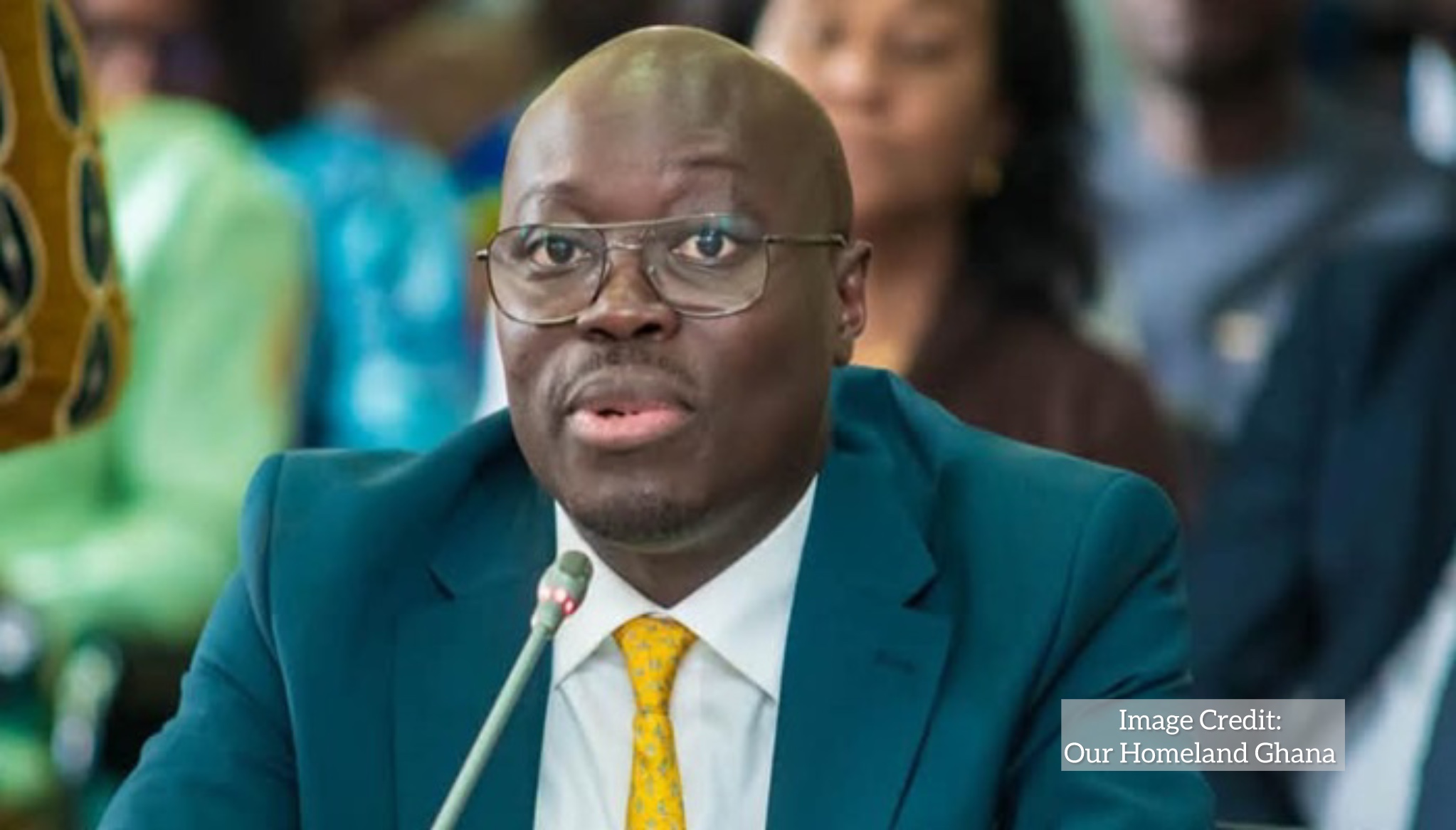
Ghana’s Finance Minister, Dr. Cassiel Ato Forson, called the move “a turning point” in Ghana’s economic recovery, adding that the parliamentary approval formalizes a Memorandum of Understanding initially reached in January 2025. With the agreement now in effect, approximately 93% of Ghana’s external debt is set to be restructured. The remaining 7%, an estimated $2.7 billion owed to private creditors is still under negotiation.
The debt relief is critical to the success of Ghana’s IMF-supported economic reform program launched in May 2023. That program includes wide-ranging structural reforms aimed at improving fiscal discipline, restoring investor confidence, curbing inflation, and boosting public sector efficiency. The debt relief will allow Ghana to redirect much-needed funds into infrastructure development, social services, and programs aimed at revitalizing growth and job creation.
According to the terms, the $2.8 billion will be released in staggered deferral tranches over the IMF program period (2023–2026). The strategy aims to reduce Ghana’s public debt-to-GDP ratio to below 55% by 2028 and bring the external debt-service-to-revenue ratio below 18% in the years that follow.
Ghana is also counting on what’s known as “comparability of treatment” a core principle of the G20’s Common Framework which requires commercial creditors to offer debt relief terms at least as favorable as those provided by official bilateral creditors. Talks with private lenders are expected to conclude in the coming months.
The approval of the deal not only boosts Ghana’s fiscal position but also sends a positive signal to the international community and investors. With the support of official creditors now formalized, the IMF is expected to continue disbursing funds under its three-year program, conditional on the government maintaining fiscal discipline and progress on reforms.
Going forward, the next steps include implementing bilateral agreements with each creditor country based on the general framework, finalizing commercial debt negotiations, and maintaining strict compliance with IMF targets. The government is also expected to intensify efforts to boost domestic revenue, improve expenditure efficiency, and support local industries to reduce dependency on foreign borrowing.
In conclusion, the $2.8 billion debt relief marks a critical victory for Ghana as it navigates a challenging economic environment. While there is still work to be done, especially with private creditors, the agreement offers renewed hope for macroeconomic stability, long-term debt sustainability, and inclusive economic growth.