


|
Getting your Trinity Audio player ready...
|
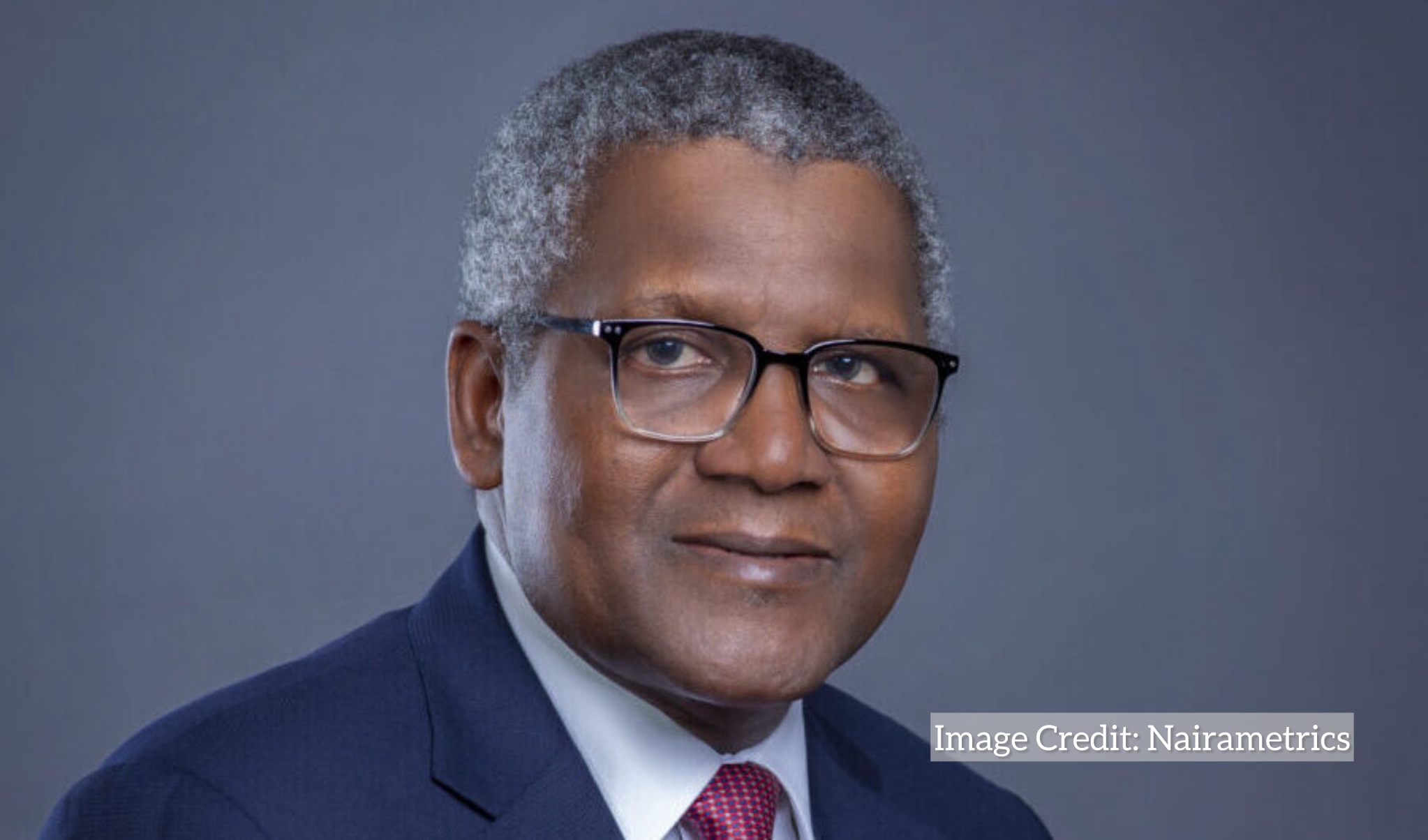
Africa’s richest man, Aliko Dangote, has confirmed plans to list his massive oil refinery on the Nigerian Exchange (NGX) and potentially the London Stock Exchange (LSE) by the end of 2026. The announcement comes as the $20 billion Dangote Refinery, located in the Lekki Free Zone near Lagos, begins to stabilize operations and scale up output. Originally, Dangote had aimed to take both his refinery and fertilizer businesses public by early 2025, but sources now say the listing of the refinery has been rescheduled for late 2026 to allow for full operational ramp-up and market preparedness.
The Dangote Refinery, the largest single-train facility in the world, has a refining capacity of 650,000 barrels per day and is designed to significantly reduce Nigeria’s reliance on imported petroleum products. As of mid-2025, the facility was operating at about 500,000 barrels per day and has begun distributing diesel and aviation fuel to local and regional markets. Petrol production is expected to be fully online by the end of 2025, putting the refinery on track to reach maximum capacity in early 2026. This operational milestone is seen as a prerequisite for the stock market listing, ensuring investor confidence in the refinery’s long-term viability and earnings potential.
A key reason for the delayed listing is market depth. While the Nigerian Exchange has matured in recent years, Dangote and exchange officials believe that a listing of this scale could overwhelm the domestic capital market if not properly staged. As such, discussions are underway for a dual listing on both the NGX and the LSE. This strategy is intended to attract global institutional investors, enhance liquidity, and provide greater valuation transparency for one of Africa’s most strategic industrial assets. NGX Chairman Umaru Kwairanga has described the move as transformational, noting that it would deepen the local market, improve transparency, and encourage other large privately held African companies to go public.
Despite the delay in listing the refinery, Dangote’s fertilizer plant, a $2.5 billion urea and ammonia facility remains on course for an earlier IPO, possibly in 2025. The fertilizer business has already established itself as one of the world’s largest producers and is playing a key role in reducing Africa’s dependence on imported fertilizers. The fertilizer IPO is expected to serve as a precursor and market test for the refinery’s eventual listing.
The decision to go public aligns with Dangote’s broader vision of democratizing ownership in his businesses, allowing Nigerians and international investors to share in the returns of his industrial empire. A public listing will also create new channels of capital inflow at a time when Nigeria is implementing broad macroeconomic reforms, including foreign exchange liberalization and subsidy removal. Dangote has stated that the listing will help strengthen the naira, improve investor confidence, and unlock further investment into Nigeria’s manufacturing and energy sectors.
Still, challenges remain. The refinery has faced delays in domestic crude supply, at times relying on imports from the United States. Political and regulatory uncertainties in Nigeria’s oil sector, combined with market volatility, could impact the refinery’s profitability and investor sentiment. Moreover, ensuring compliance with both Nigerian and international listing regulations will be critical to gaining the trust of global investors.
In conclusion, Aliko Dangote’s plan to list his refinery by 2026 marks a major milestone in Africa’s industrial development and capital market evolution. If successful, the listing would be one of the largest ever in sub-Saharan Africa, potentially transforming Nigeria into a regional hub for petroleum refining and export. It also represents a bold bet on the continent’s capacity to lead in heavy industry, self-sufficiency, and financial innovation.