

Planting Jobs, Growing Futures: Ghana Workshop Charts Decent Work Path in Agrifood Sector
Written By Maxine Ansah

|
Getting your Trinity Audio player ready...
|
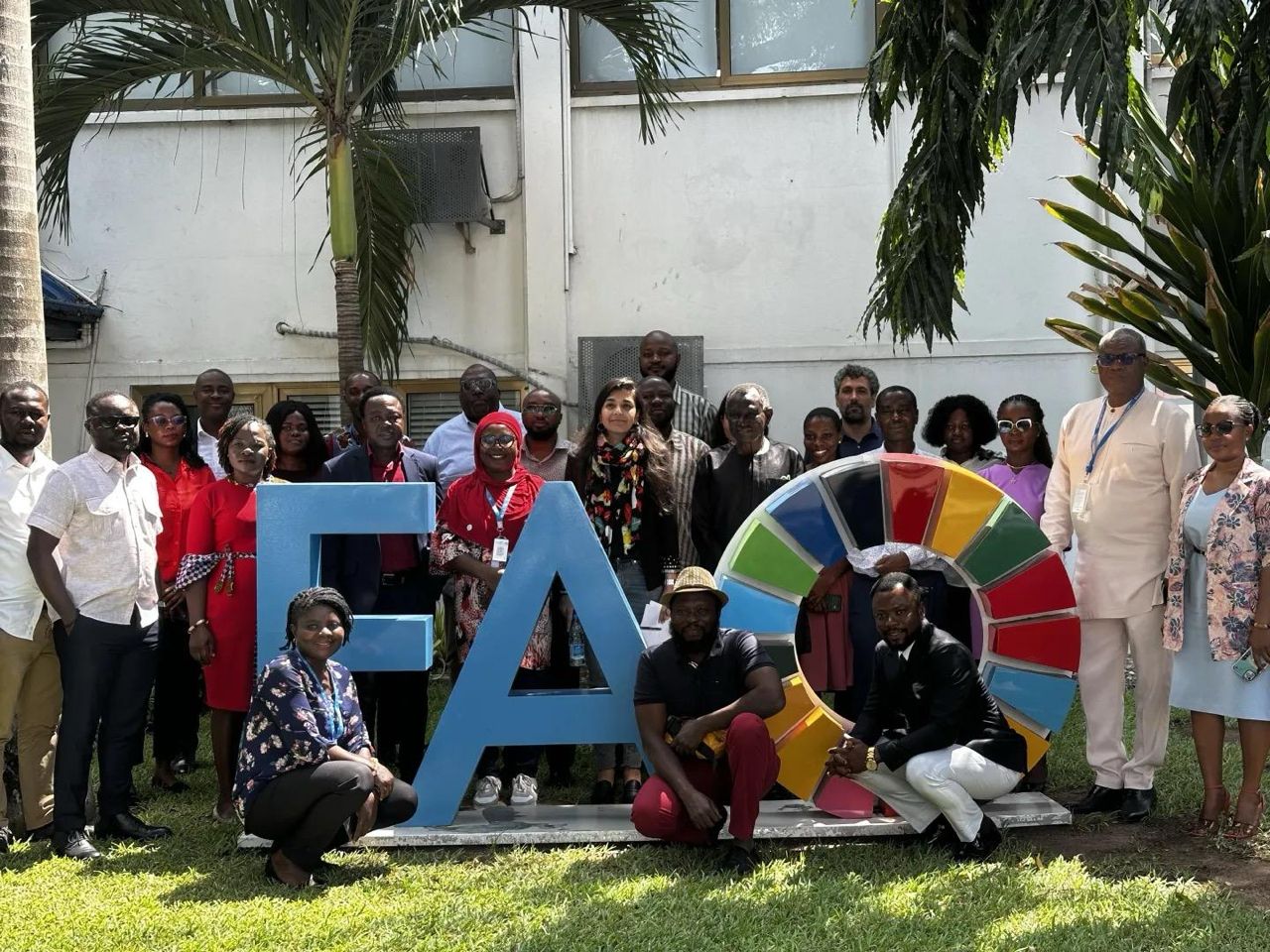
As Ghana’s agricultural sector continues to serve as a backbone of livelihoods and food security, a new initiative is putting employment at the heart of rural transformation. Over 40 key stakeholders gathered in Accra last week for a two-day workshop aimed at leveraging data and dialogue to promote decent work in the country’s agrifood systems.
The event, hosted by the International Labour Organization (ILO) in collaboration with the Food and Agriculture Organization of the United Nations (FAO), forms part of the JobAgri Ghana project. The initiative is a joint effort by the ILO, FAO, the French Agricultural Research Centre for International Development (CIRAD) and the African Union, with financial support from Germany’s Federal Ministry for Economic Cooperation and Development (BMZ).
At the centre of the workshop were findings from recent JobAgri labour surveys, which explored employment trends, working conditions and labour dynamics among farming households and agri-food value chain actors. These insights are intended to strengthen evidence-based policymaking and bridge the traditional gap between agriculture and employment strategies.
James Ayittey, Director of the Statistics, Research and Information Directorate (SRID) at Ghana’s Ministry of Food and Agriculture, said the initiative arrives at a critical moment.
“The JobAgri Ghana Project represents a timely and strategic intervention for our country. By ensuring that our agricultural policies are not only about food security and productivity but also about promoting decent work, inclusive growth and sustainable development,” he remarked during the workshop.
Participants included policymakers, researchers, youth associations, and members of the JobAgri Multi-Stakeholder Forum. Together, they examined how labour survey findings could be translated into targeted action to improve working conditions, increase youth engagement and support sustainable livelihoods across rural Ghana.
Vanessa Phala, Director of the ILO Country Office for Nigeria, Ghana, Sierra Leone and Liberia, emphasised the value of the data presented.
“This data is very critical. It provides evidence-based insights to maximise both agricultural outcomes and employment outcomes in order to improve the lives of farming communities in Ghana and to engage and energise both the labour market and the economy in Ghana,” she said.
In addition to data sharing, the workshop featured capacity-building sessions where stakeholders learned to apply policy tools developed by the ILO and FAO. These tools are designed to assess employment impacts, identify decent work deficits and guide strategic investments in agri-food systems.
Priya Gujadhur, FAO Representative to Ghana, underscored the transformative vision behind the initiative.
“Through the JobAgri initiative, we are working to ensure that agriculture is not just a means of survival, but a source of decent and dignified work, especially for young people and women in rural areas. This workshop is a crucial step toward shaping policies that are grounded in evidence and responsive to the real needs of those who feed our nation,” she said.
Claire Cerdan, Director of the Environment and Societies Department at CIRAD, echoed this sentiment.
“Understanding the labour dynamics within agri-food systems is key to designing effective, inclusive policies. Through JobAgri, CIRAD is proud to support Ghana in generating locally relevant evidence that can inform action and drive sustainable rural development. When science and policy come together, we can create real change for farming communities,” she said.
The JobAgri Ghana project aims to institutionalise advanced labour data collection across agri-food value chains. It works with national partners to create indicators that reveal the true employment content of different farming systems. The project also supports the establishment of ‘tripartite-plus’ policy dialogues that bring together government, workers, employers and civil society for more coordinated decision-making.
By integrating agriculture and employment policymaking, the JobAgri Ghana workshop signals a growing recognition that economic development must work hand in hand with social inclusion. As Ghana seeks to build a resilient and inclusive future, initiatives like this offer a roadmap for turning data into action and farming into decent work.