
Trump threatens extra 10% Tariffs on BRICS-Aligned Nations: What It Means for Africa

|
Getting your Trinity Audio player ready...
|
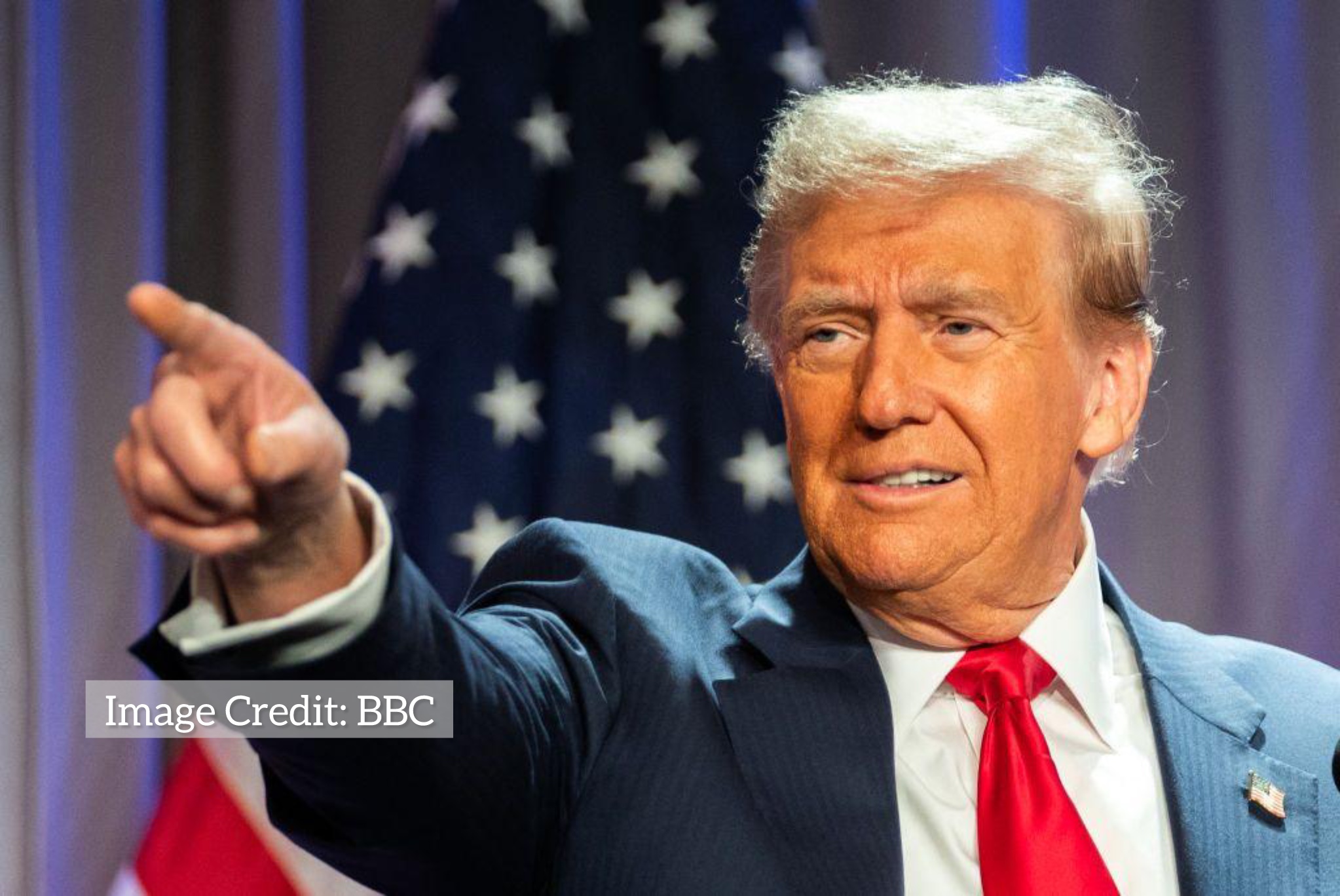
U.S. President Donald Trump has escalated his economic confrontation with the BRICS bloc by announcing sweeping tariffs aimed at countries aligned with the group’s “anti-American policies.” The announcement, made during the BRICS Summit in Rio de Janeiro, declared that any nation showing support for the bloc’s de-dollarization efforts or broader geopolitical stance would face a new 10% surcharge on exports to the United States. In addition, Trump has imposed general tariffs ranging from 25% to 40% on 14 other countries, including Malaysia, Japan, South Korea, and Indonesia, effective August 1.
This strategy reflects Trump’s renewed effort to reassert American dominance in global trade and discourage the expansion of alternative economic alliances. However, the move has sparked concern across Africa, where several nations, namely South Africa, Egypt, and Ethiopia are either full members of BRICS or in the process of deepening ties with the group. The policy’s ripple effects are already being felt: the South African rand fell nearly 1% following the announcement, and investor sentiment across the continent is increasingly cautious.
Positive Impacts for Africa
Despite the controversy, some African countries could benefit from the shifting global dynamics.
Regional Trade Momentum
Trump’s aggressive stance may push African nations to rely less on Western markets and instead intensify regional cooperation. This could give a major boost to the African Continental Free Trade Area (AfCFTA), encouraging trade among African states and leading to stronger regional supply chains.
Export Market Diversification
As U.S. trade becomes less reliable, African exporters may seek out alternative markets in Asia, the Middle East, and Latin America. This diversification can reduce dependency on a single economic partner and potentially open up new trade channels that are more favorable to Africa’s development goals.
Boost to Local Industrialization
The threat of high tariffs may incentivize African countries to increase domestic production and add value locally instead of exporting raw materials. This could accelerate industrialization and help strengthen key sectors such as manufacturing, agriculture, and technology.
Negative Impacts for Africa
While there are potential opportunities, the short-term economic risks are significant.
Export Disruptions
Countries that depend heavily on U.S. trade, especially in industries like textiles, agriculture, and automotive components, may suffer revenue losses. Higher tariffs will likely reduce competitiveness and could result in job losses, particularly in export-focused sectors.
Reduced Foreign Investment
The uncertainty created by trade penalties could make investors more cautious. U.S.-based companies may hesitate to expand operations or fund new projects in countries targeted by tariffs, potentially slowing economic growth and infrastructure development.
Diplomatic Pressures
Trump’s policy effectively forces African countries to pick a side: align with BRICS and risk penalties from the U.S., or maintain Western ties and miss out on growing opportunities in the BRICS-led alternative system. This pressure could strain long-standing partnerships and complicate foreign policy for African leaders.
Country Spotlights
South Africa, a founding member of BRICS, is directly in the crosshairs of the new tariff policy. In April, it was already hit with a 31% tariff on aluminum and steel. Now, it faces the added threat of a 10% surcharge unless it can finalize a favorable trade deal with Washington. Pretoria has requested an extension of the July 9 deadline to renegotiate terms with the U.S. administration.
Ethiopia and Egypt, both recent additions to BRICS, are navigating a delicate balancing act. While they are keen to benefit from BRICS partnerships in infrastructure, finance, and trade, they also face the risk of alienating U.S. investors and losing critical market access.
Other African countries, even those not directly affiliated with BRICS, may experience indirect consequences. As supply chains shift and global trade routes are restructured, Africa’s position in global commerce could face disruptions, both in terms of pricing and partnership dynamics.
Geopolitical Context
At the Rio Summit, BRICS nations collectively condemned what they called “unilateral and protectionist measures” by the U.S. They reiterated their commitment to a multipolar world order and criticized the use of tariffs as a tool of political coercion. Trump, however, maintains that his goal is to protect American workers and prevent the erosion of U.S. economic influence in global affairs.
Economists remain divided. Some believe Trump’s tariffs are a tactical move to extract better trade terms from foreign partners. Others argue that such policies risk triggering a broader trade war that could slow global economic growth, especially for emerging markets.
Final Take
President Trump’s new trade measures are not just about economics, they represent a strategic shift in how the U.S. intends to deal with rising global powers. For Africa, this is both a warning and an opportunity. The continent must act decisively: deepen regional integration, diversify trade partnerships, and strengthen domestic industries to navigate the uncertain terrain ahead.
In the short term, the tariffs may cause disruptions in export revenues and investment flows. But in the long run, they could also serve as a catalyst for African nations to reduce dependence on external markets and build a more resilient and self-sufficient economic foundation. Whether this challenge becomes a crisis or a turning point will depend on how swiftly and strategically African leaders respond.