

|
Getting your Trinity Audio player ready...
|
In a landmark development for global healthcare, the first malaria treatment specifically formulated for newborns and very young children has been officially approved for use and is expected to be introduced across malaria-endemic regions of Africa within weeks.
Until now, there has been no approved malaria drug tailored to babies weighing less than 4.5 kg (around 10 pounds). As a result, healthcare providers were forced to administer adjusted doses of medications meant for older children a practice that carried serious risks, including potential overdoses and adverse effects. Due to their still-developing organs, infants metabolize medicines differently, making precise dosing crucial.
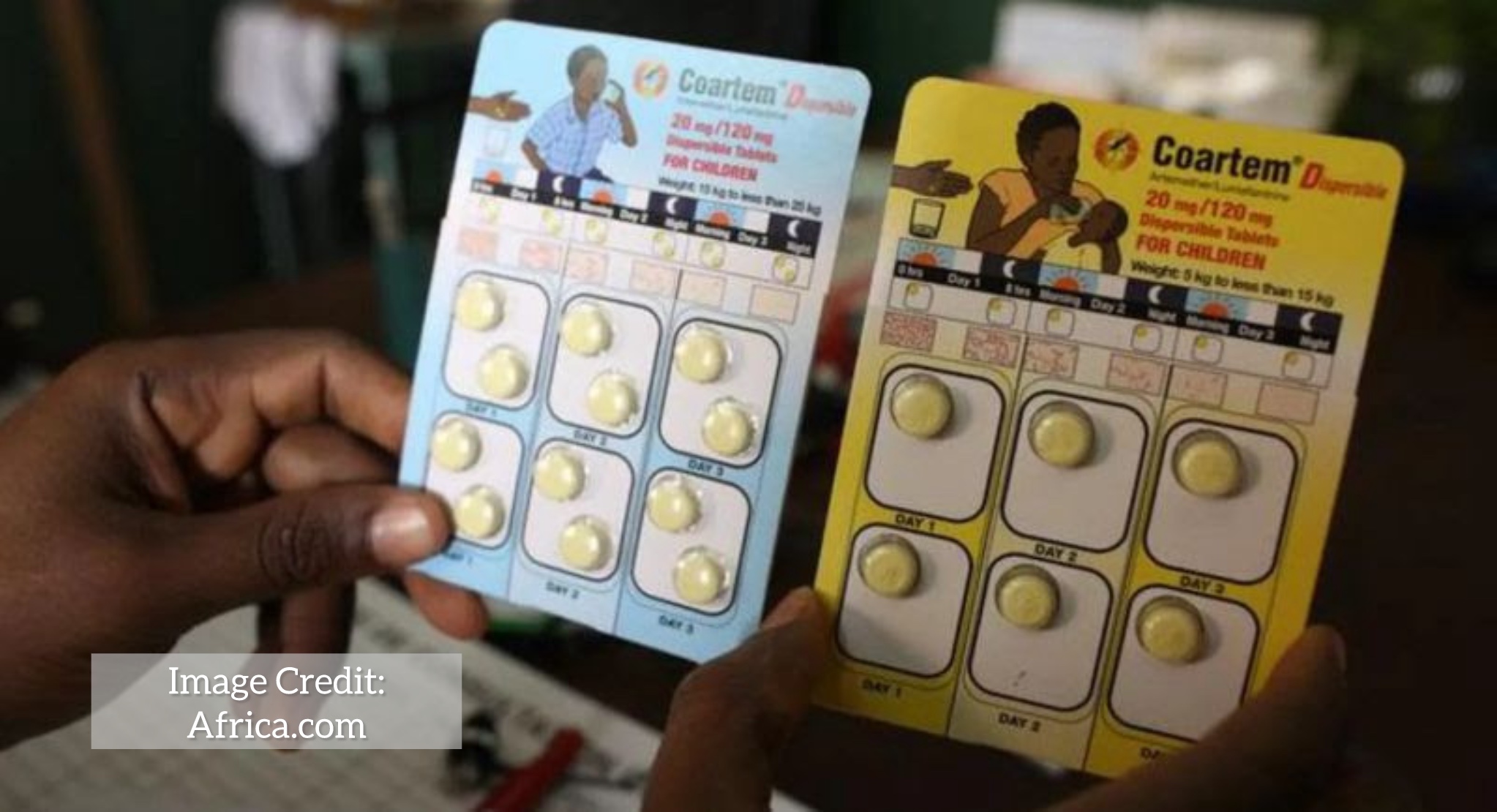
The newly approved treatment, known as Coartem® Baby (also marketed as Riamet® Baby in some countries), was developed by Swiss pharmaceutical company Novartis in partnership with the Medicines for Malaria Venture (MMV), a non-profit organization focused on fighting malaria in vulnerable populations. This pediatric formulation is designed to safely treat infants and newborns, bridging a long-standing “treatment gap” that has left millions of babies exposed to potentially life-threatening complications.
In 2023 alone, malaria was linked to approximately 597,000 deaths, with nearly 76% of those fatalities occurring in children under the age of five. The vast majority of these cases were reported in Africa, highlighting the urgent need for safer, infant-specific treatment options. The approval of Coartem Baby is seen as a major breakthrough in efforts to reduce child mortality rates caused by malaria.
The development of the drug was made possible through clinical trials conducted in eight African nations, which are expected to be among the first to benefit from the rollout. Novartis has committed to offering the medication on a largely not-for-profit basis, ensuring affordability and accessibility for low-income communities most affected by the disease.
Vas Narasimhan, CEO of Novartis, described the approval as a critical achievement in the company’s decades-long commitment to combating malaria.
“For over 30 years, we’ve worked relentlessly to bring scientific innovation to where it’s needed most. With Coartem Baby, we can finally ensure that even the smallest and most vulnerable children have access to life-saving treatment.”
Martin Fitchet, CEO of MMV, echoed this sentiment, noting that the new medicine is an essential tool in the global mission to end malaria.
“This approval provides a much-needed, optimized option for a previously underserved patient group. It represents a crucial addition to the antimalarial toolkit.”
Experts have welcomed the development as a step forward in advancing public health equity. Dr. Marvelle Brown, Associate Professor at the University of Hertfordshire, emphasized the broader implications of the medicine’s availability:
“The malaria death rate in infants especially in sub-Saharan Africa is alarmingly high. This treatment can help reduce those figures. And by offering it on a not-for-profit model, Novartis is helping to close the healthcare gap that exists between wealthier and poorer regions.”
Malaria remains one of the deadliest infectious diseases globally, particularly for children in Africa. With the approval and rollout of Coartem Baby, the global health community takes a significant step toward reducing preventable deaths and building more equitable access to essential medicines.
As governments, aid organizations, and healthcare systems prepare to distribute the medication, this moment represents not just a scientific milestone but a humanitarian one bringing lifesaving care to the children who need it most.