


|
Getting your Trinity Audio player ready...
|
In a major judicial development in Nigeria’s fight against terrorism, 44 individuals have been handed lengthy prison sentences ranging from 10 to 30 years for their involvement in funding Boko Haram, the extremist group responsible for widespread violence in West Africa. The convictions, which include mandatory hard labour, were announced by Nigeria’s counter-terrorism agency and mark a continued effort to crack down on those supporting terror networks financially.
The sentences were issued following proceedings held at a specially designated court complex located within a military facility in Kainji, in Niger State. These courts were established to handle terrorism-related cases with a high degree of security and efficiency.
According to government sources, the trials were part of a broader legal initiative aimed at addressing terrorism through due process. Ten additional suspects, also accused of financing terrorism, are still awaiting trial, with proceedings postponed to a later date.
Mass Trials and National Security Efforts
Since 2017, Nigerian authorities have undertaken mass trials to address the growing backlog of cases linked to terrorist activities. Over the years, courts have secured convictions against more than 780 individuals connected to groups such as Boko Haram and its offshoots.
The latest convictions underline the Nigerian government’s intent to not only dismantle armed networks but also target the infrastructure and financial channels that sustain them. Officials have reiterated that efforts will continue to identify, apprehend, and prosecute those who aid terrorist groups either directly or indirectly.
Boko Haram’s Violent Legacy
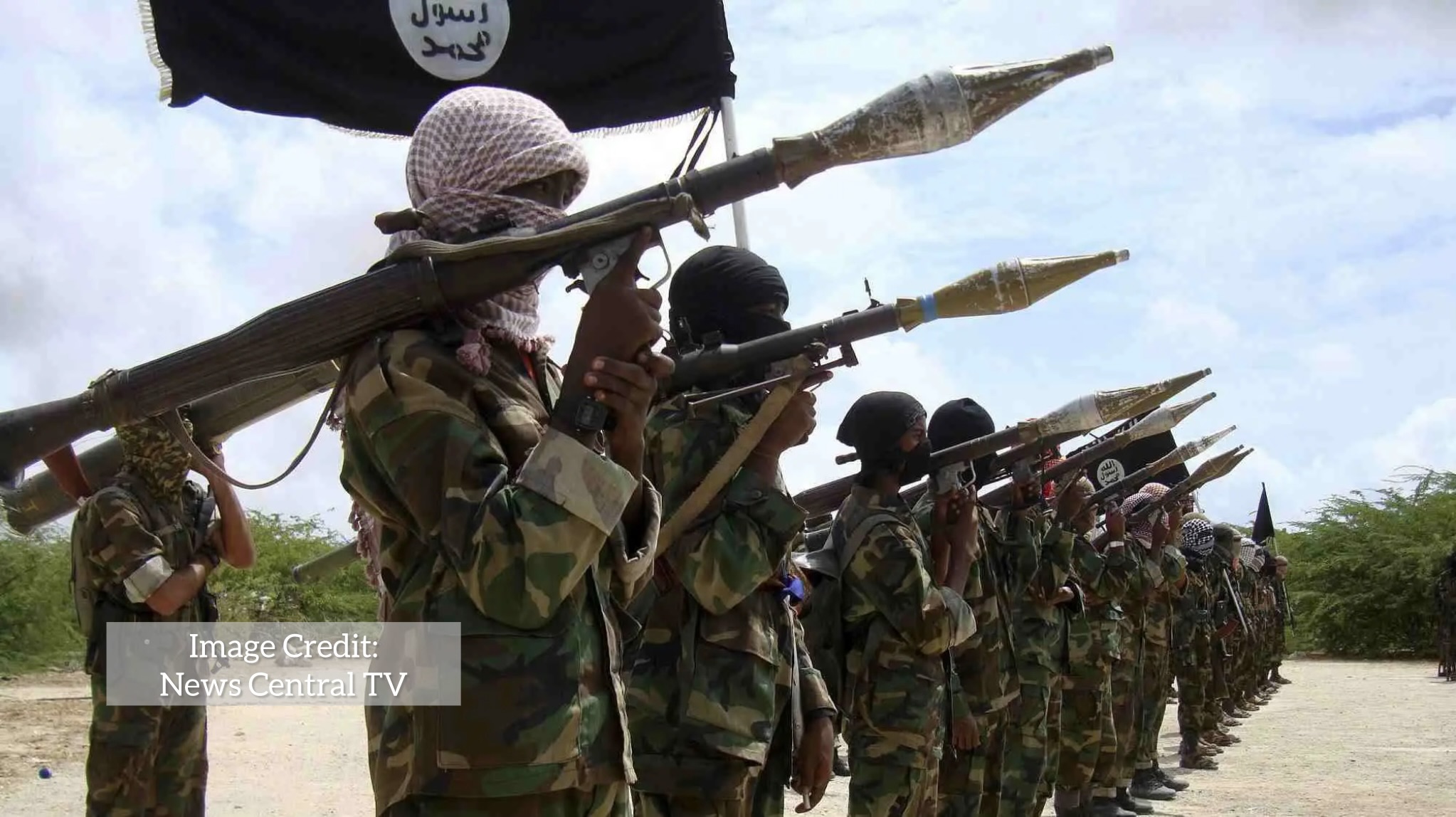
Boko Haram, whose name roughly translates to “Western education is forbidden,” emerged in northeastern Nigeria in the early 2000s. The group adheres to a radical interpretation of Islam and seeks to replace Nigeria’s secular governance with a strict form of Islamic law.
Since launching its insurgency, Boko Haram has been responsible for tens of thousands of deaths and the displacement of millions across Nigeria and neighbouring countries including Cameroon, Chad, and Niger. Its brutal tactics have included suicide bombings, mass abductions, and armed raids on civilian and military targets.
One of the group’s most infamous attacks occurred in 2014, when militants abducted 276 schoolgirls from Chibok, drawing global attention and outrage. In a separate incident that same year, the group attacked a government school, killing numerous boys and setting the building ablaze.
Boko Haram has also carried out attacks on international institutions, including a deadly assault on the United Nations headquarters in Abuja.
Targeting Terror Financing
The recent convictions are a significant step in Nigeria’s multi-pronged counter-terrorism strategy, which aims not only to neutralize combatants but also to dismantle the logistical and financial frameworks that support extremist operations.
By focusing on those who fund terrorism, Nigerian authorities hope to cut off essential lifelines that allow these groups to acquire weapons, plan attacks, and expand their reach. Officials have also noted that several of the convicted individuals were found to be using front businesses and covert financial channels to move funds on behalf of Boko Haram operatives.
Security analysts suggest that disrupting terror financing is critical to undermining the resilience of militant groups that continue to pose a threat to regional stability.
Ongoing Challenges
While the convictions mark a milestone, challenges remain. Human rights advocates have previously raised concerns over transparency and fairness in mass trial processes, urging the government to ensure due process is upheld. However, the courts involved in these latest rulings are said to operate under stricter legal oversight and are staffed by experienced judicial personnel.
Nigeria’s military and law enforcement agencies continue to battle active insurgency cells, particularly in the country’s northeast. Though Boko Haram has splintered into rival factions, including the Islamic State West Africa Province (ISWAP), the overall threat from extremist violence remains high.
Looking Ahead
The sentencing of 44 individuals for financing terrorism sends a strong message to those supporting militant activities from the shadows. It also reflects Nigeria’s ongoing commitment to using judicial tools in tandem with military and intelligence operations to confront one of the country’s most enduring security crises.
As the legal process continues for other suspects, including the ten whose cases were deferred, authorities remain focused on expanding their counter-terrorism measures to protect citizens and restore stability across affected regions.