
|
Getting your Trinity Audio player ready...
|
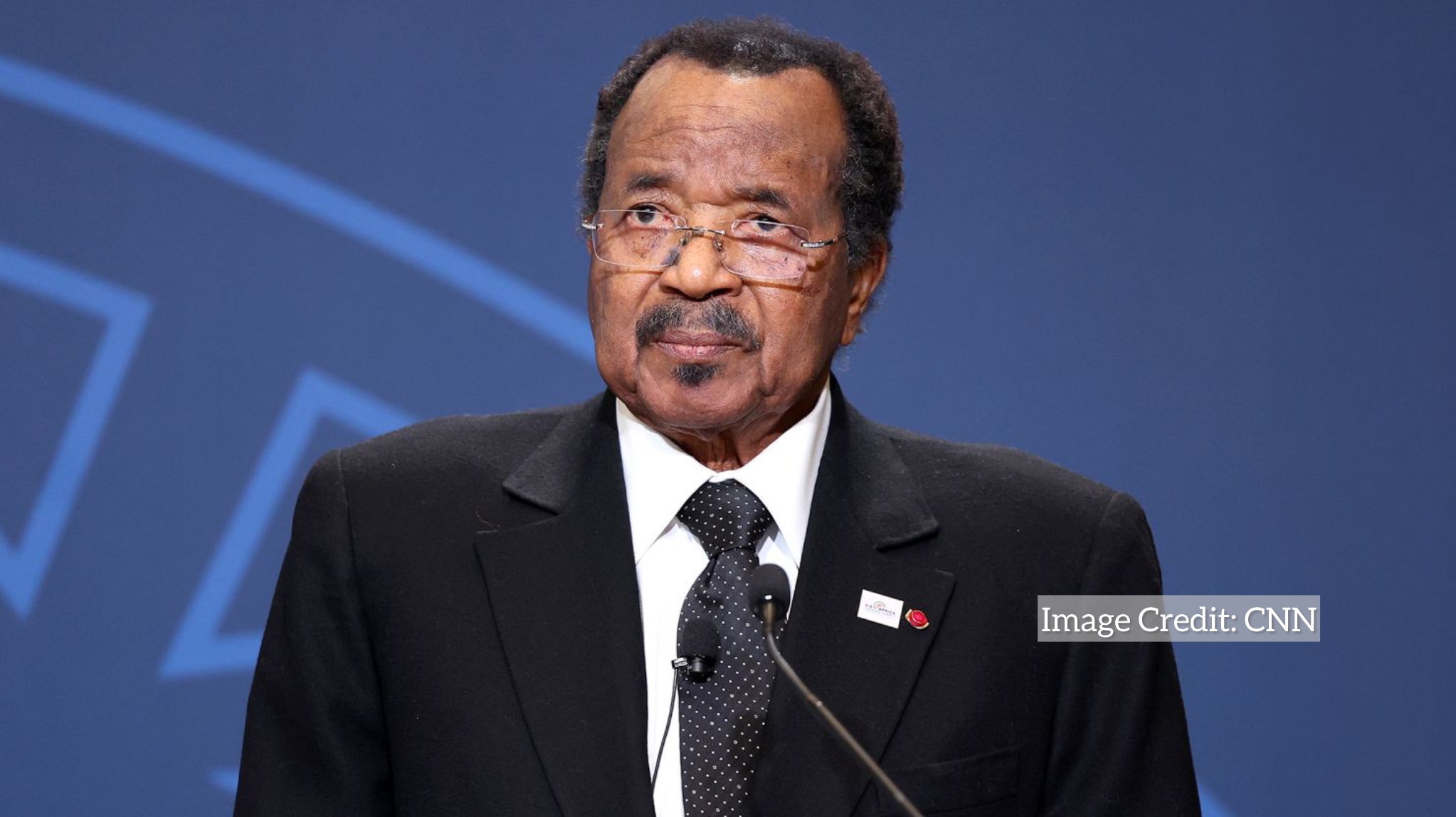
In a move that reaffirms his long-standing grip on power, President Paul Biya of Cameroon, the world’s oldest sitting head of state at 92, has announced his candidacy for a historic eighth term in office. The upcoming presidential election is scheduled for October, and Biya’s bid is poised to extend his time in leadership to nearly five decades.
A Defining Message Amid National Challenges
President Biya made the announcement via a statement on social media platform X (formerly Twitter), where he expressed a renewed commitment to lead the central African nation. “My determination to serve you matches the urgency of the challenges we face,” he stated, signaling his resolve to stay at the helm despite mounting concerns surrounding governance and national stability.
Biya claimed that his decision was prompted by what he described as “numerous and insistent” appeals from citizens both within Cameroon and across the diaspora. This marks the formal confirmation of a candidacy that had long been anticipated, particularly by members of his ruling party, the Cameroon People’s Democratic Movement (CPDM), who had publicly urged him to run again.
A Presidency Marked by Longevity and Controversy
Since first assuming office in 1982, Paul Biya has become one of the world’s longest-serving leaders. Over the years, his presidency has faced considerable criticism, with opposition voices and civil society groups pointing to allegations of systemic corruption, misuse of public funds, poor governance, and a failure to adequately respond to escalating security threats, particularly in the Anglophone regions.
Concerns about Biya’s health and capacity to govern have also intensified in recent years. His prolonged absence from public view in 2024, lasting over six weeks, sparked widespread speculation and unverified rumors regarding his wellbeing. Despite this, Biya has shown no signs of stepping down, and his re-election campaign appears to be moving forward with institutional backing.
Political Landscape Shifts as Former Allies Break Ranks
This latest chapter in Cameroonian politics unfolds amid significant shifts in Biya’s support base. Notably, two influential political figures from the country’s north former Prime Minister Bello Bouba Maigari and longtime cabinet minister Issa Tchiroma Bakary have distanced themselves from the ruling coalition and declared their intentions to contest the presidency.
In a striking rebuke, Tchiroma recently criticized the Biya-led government for eroding public confidence, announcing his defection to a rival party as part of his own presidential bid.
These developments reflect broader dissatisfaction among segments of the political elite and electorate, particularly in regions that were once strongholds of support for Biya.
A Crowded Opposition Field
The 2025 presidential race is shaping up to be highly contested, with multiple opposition leaders declaring their candidacies. Among them are Maurice Kamto, who was the runner-up in the 2018 election, along with other prominent figures such as Joshua Osih, Akere Muna, and Cabral Libii. These candidates represent a wide political spectrum, each seeking to present a viable alternative to Biya’s extended rule.
However, despite this range of challengers, many observers remain skeptical about the fairness of the electoral process. In previous elections, including the 2018 vote, the government was accused of overseeing flawed and opaque electoral procedures. Biya secured over 71% of the vote in that election, though opposition parties and international monitors raised concerns about transparency and voter intimidation.
Constitutional Reforms and Presidential Tenure
A key enabler of Biya’s prolonged tenure was a controversial constitutional amendment in 2008 that removed term limits for the presidency. This legal change effectively opened the door for indefinite re-election bids, consolidating his ability to maintain power.
Should Biya win again in October, he would remain in office until the age of 99, setting a historic precedent in modern political leadership.
A Nation at a Crossroads
Cameroon now stands at a critical juncture. While Biya maintains strong institutional support within the ruling party and state apparatus, public discontent and calls for democratic renewal are growing louder. The 2025 election is expected to be a pivotal moment for the country, with both domestic and international stakeholders watching closely.
As the campaign period unfolds, questions around transparency, inclusivity, and the future of leadership in Cameroon will dominate the national discourse with the stakes higher than ever.