
Inside South Africa’s prisons where art is giving inmates a second chance

|
Getting your Trinity Audio player ready...
|
When most people picture prison, they imagine steel bars, locked doors and punishment. At one correctional facility in Johannesburg, however, visitors are greeted by paintings, sculptures and an art gallery that tells a different story.
South Africa is increasingly turning to creative rehabilitation as part of a broader effort to reduce repeat offending, equip inmates with practical skills and prepare them for life beyond prison walls.
Turning prison walls into spaces of creativity
The Department of Correctional Services has opened nine prison arts and crafts galleries since 2023, reflecting a growing belief that rehabilitation should extend beyond incarceration.
One of those galleries is located at Leeuwkop Correctional Facility in Johannesburg, where artwork created by 34 inmates is on display. The exhibition allows visitors to see personal stories expressed through paintings and sculptures while giving inmates an opportunity to showcase their talents to one another and the public.
Officials say the programme is designed to help prisoners gain valuable skills, generate income from their work and build confidence before rejoining society.
Finding purpose behind bars
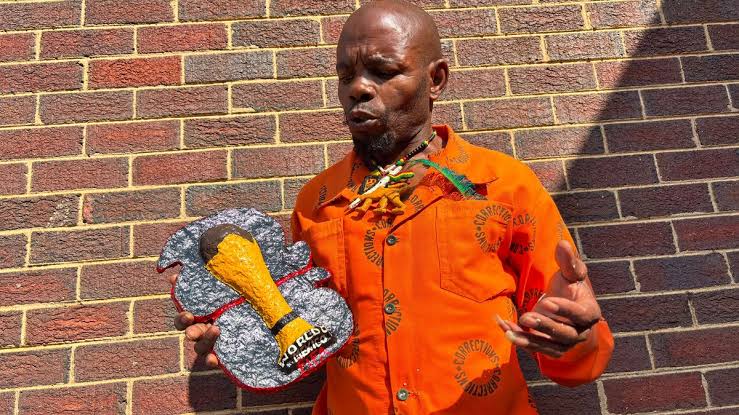
Among the artists is 51 year old Freddy Mongkoai, who has served nearly two years of a 12 year sentence for murder following an act described as vigilante justice.
After joining the prison art programme in October, Mongkoai began experimenting with painting and papier mâché sculpture. He now hopes that when he is released he can establish his own gallery and employ former inmates, creating opportunities that could help others avoid returning to prison.
He believes the artwork gives the public a chance to understand prisoners beyond their convictions and recognise their capacity for change.
Art as a tool for rehabilitation
The programme is supported by Just Detention International South Africa, which has partnered with the Department of Correctional Services since 2024.
According to senior programme officer Unathi Mahlati, the initiative encourages inmates not only to create art but also to reflect on their emotions, experiences and future aspirations.
In an environment often defined by rigid routines and strict discipline, the programme offers participants space for personal expression while helping them develop emotional resilience and practical life skills.
Addressing overcrowding and repeat crime
South Africa continues to face major challenges within its prison system.
Correctional facilities are frequently affected by overcrowding, gang violence, administrative shortcomings and limited funding. Officials say repeat offenders place additional pressure on already strained prisons.
Estimates of South Africa’s recidivism rate vary depending on the methodology used, with some studies placing repeat offending at extremely high levels. Authorities believe rehabilitation programmes such as art initiatives can become an important part of reducing those numbers over time.
By encouraging education, creativity and employable skills, correctional officials hope more former inmates will successfully reintegrate into society instead of returning to prison.
A different picture of justice
South Africa’s prison art initiative reflects a broader understanding that rehabilitation and public safety can work together. While accountability for crime remains essential, helping offenders rebuild their lives may ultimately contribute to safer communities.
Across Africa, governments are increasingly exploring innovative approaches to criminal justice that combine punishment with rehabilitation. Programmes like these acknowledge that lasting change often requires opportunities alongside accountability.
Africa’s justice systems continue to evolve as countries seek more effective ways to reduce crime and strengthen communities. While challenges remain significant, investments in rehabilitation, education and human potential offer hope that more people can rebuild their lives and contribute positively to society, reinforcing the idea that Africa’s future is still being shaped by progress, resilience and opportunity.