

|
Getting your Trinity Audio player ready...
|
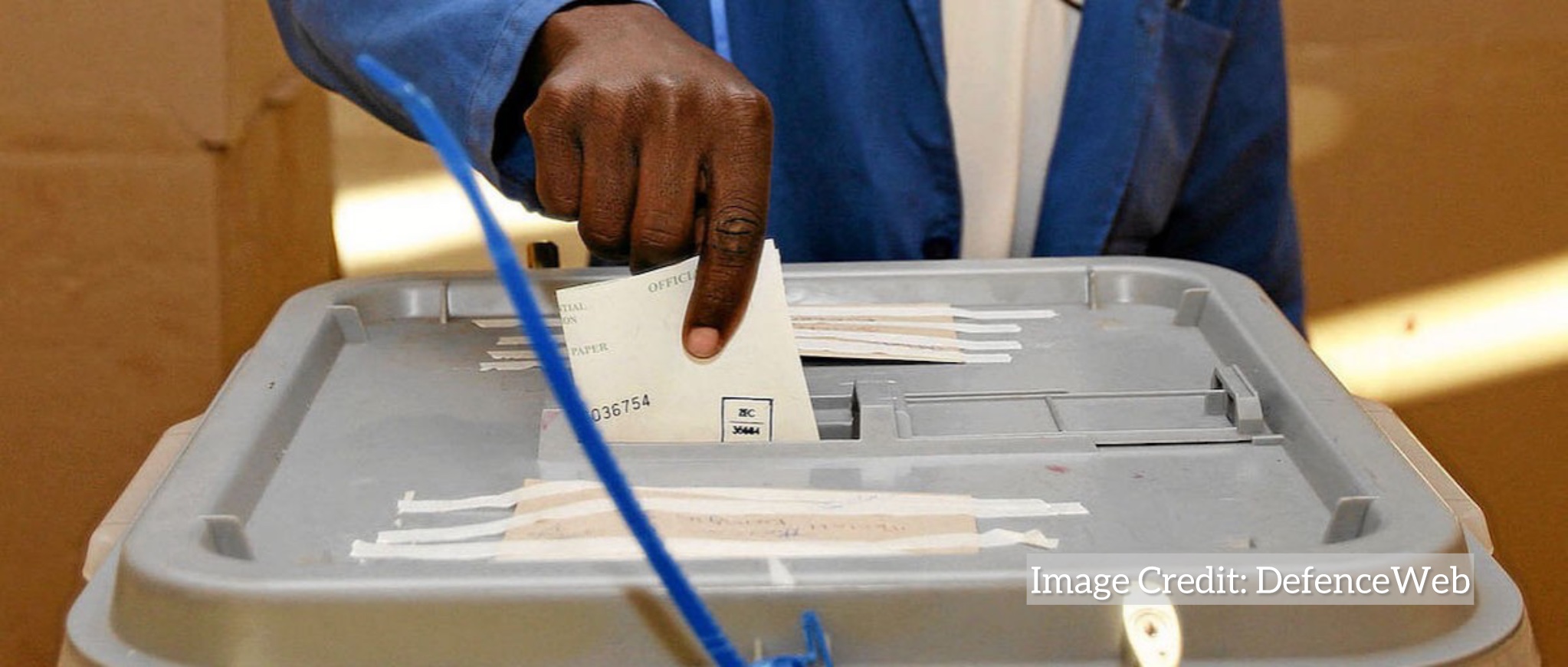
In a development that has sparked concern among political observers and civil society groups, the Central African Republic (CAR) has once more delayed its long-overdue local and municipal elections, extending a four-decade wait for grassroots democratic representation.
Originally scheduled for late August 2025, the elections have now been pushed to December, with plans to align them with the country’s legislative and presidential polls, according to national electoral authorities. The announcement follows multiple challenges in organizing the vote, including insufficient funding, logistical setbacks, and ongoing efforts to modernize voter registration through biometric technology.
President Faustin-Archange Touadéra, who has led the country since 2016, initiated the biometric voter registration initiative in 2024, aiming to build a more transparent and inclusive electoral roll. Despite these reforms, the repeated delays have fueled frustration among opposition groups and the general public.
The Democratic Bloc for Rebirth of the Central African Republic (BRDC) a coalition of opposition parties has demanded a review of the National Electoral Authority (ANE) and called for renewed political dialogue with President Touadéra. The group argues that repeated postponements undermine public trust in the democratic process and leave local governance in a state of prolonged stagnation.
The United Nations has emphasized the importance of the upcoming elections, describing them as a “critical opportunity” to reinforce democratic institutions, advance national reconciliation, and bolster long-term stability in a country plagued by cycles of violence.
Since 2013, CAR has struggled with political instability and armed conflict following the ouster of its then-president by a coalition of mainly Muslim rebels. Despite a wealth of natural resources including gold, diamonds, uranium, and oil the landlocked nation remains one of the world’s poorest, with much of its population lacking access to basic services.
With elections now expected at the end of the year, international partners and local stakeholders alike are urging authorities to ensure a credible, peaceful, and inclusive process that can lay the foundation for a more stable and democratic future.