

|
Getting your Trinity Audio player ready...
|
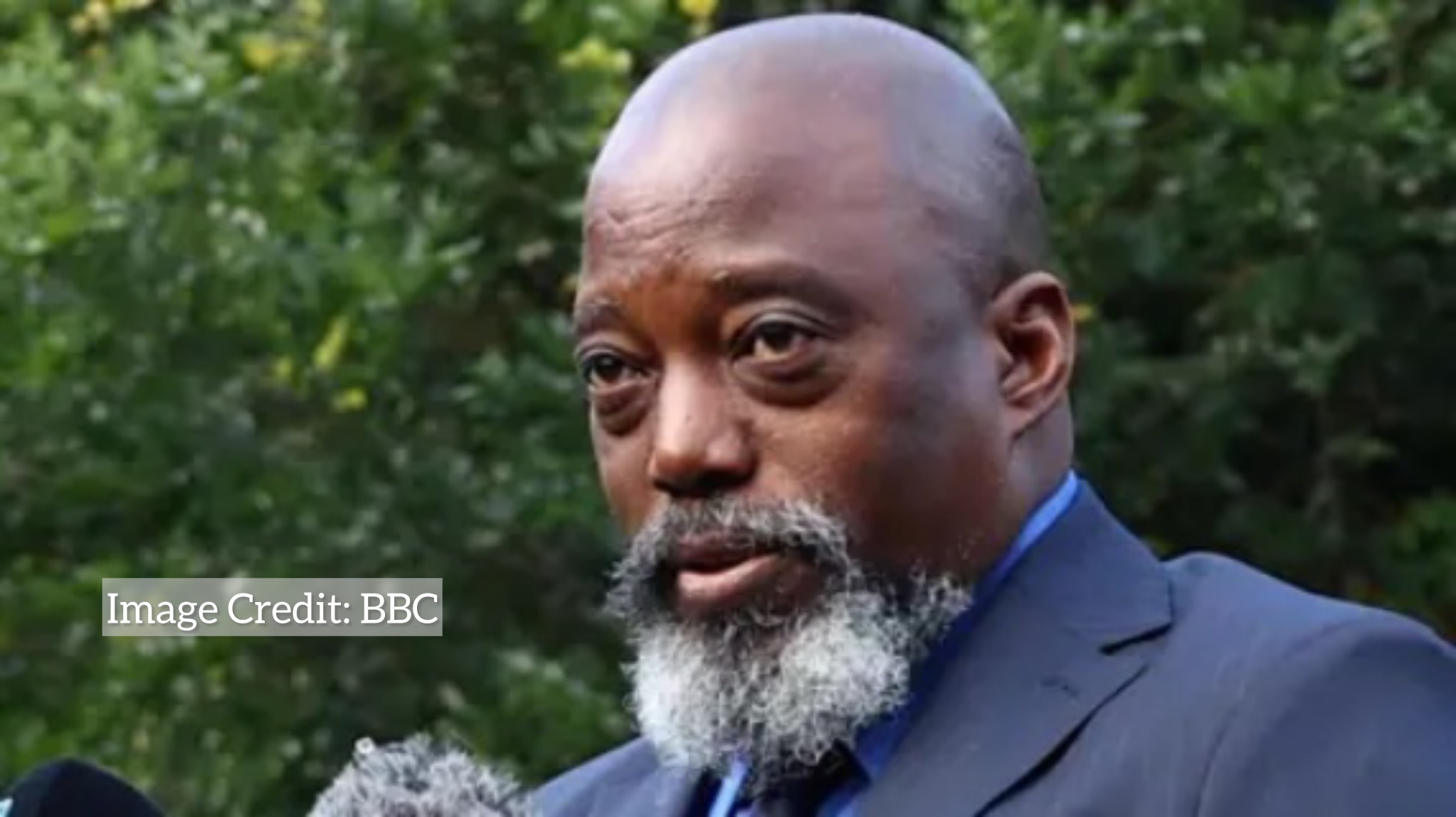
The Democratic Republic of Congo (DRC) has officially commenced a high-profile trial against former President Joseph Kabila, who is facing a string of serious accusations, including charges of treason and crimes against humanity. The proceedings began in Kinshasa’s Gombe district before a military tribunal, marking a historic and controversial legal chapter in the Central African nation’s political landscape.
Joseph Kabila, who led the DRC from 2001 until 2019, is being tried in absentia as he is currently outside the country. Prosecutors have charged the former head of state with murder, torture, rape, and attempting to destabilize the sitting government through alleged support for the M23 rebel movement. The M23 insurgents have been active in the eastern region of the DRC and are accused of occupying strategic towns and displacing thousands of civilians amid ongoing violence. Authorities claim that Kabila provided material and logistical support to the group, which has intensified its operations in recent years. Kabila, however, has consistently denied having any affiliations with the M23 rebels.
The relationship between Kabila and his successor, President Félix Tshisekedi, began to deteriorate in 2020, a year after the peaceful transfer of power. Initially bound by a power-sharing arrangement, tensions escalated when Tshisekedi dissolved the coalition, citing the need for full executive control. In the aftermath, Kabila departed the country and took up residence in South Africa, only to return to the DRC in May 2025. His controversial visits to cities under M23 control upon his return triggered alarm within government circles and fueled suspicion of his alignment with rebel activities.
Following Kabila’s return, the Congolese authorities took the unprecedented step of revoking his immunity status as a life senator a constitutional privilege that had previously shielded him from prosecution. This legal maneuver cleared the way for formal charges to be filed and for the current trial to proceed. Despite his absence, the court continues its work, underscoring the seriousness of the allegations and the government’s determination to pursue accountability at the highest level.
The trial has sparked intense public interest both within the DRC and across the African continent. Supporters of Kabila maintain that the charges are politically motivated, while critics argue that holding former leaders accountable is essential for justice and national reconciliation. The proceedings have been temporarily adjourned and are scheduled to resume on July 31, as the country waits to see whether this case marks a turning point in its approach to governance, rule of law, and transitional justice.