

|
Getting your Trinity Audio player ready...
|
Nigeria is grappling with one of the highest maternal mortality rates in the world, with an estimated 75,000 women losing their lives to pregnancy-related complications in 2023 alone, equivalent to one death every seven minutes. According to the World Health Organization (WHO), this stark reality has made Nigeria one of the most dangerous countries globally for childbirth.
In response, local healthcare organizations and community-based initiatives are intensifying their efforts to provide lifesaving maternal care. At a health center in Lagos, expectant mothers are now receiving comprehensive antenatal services, including medical checkups, nutritional support, and essential medications. Nurses also play a vital role in educating mothers about safe pregnancy practices and warning signs of complications.
This initiative, spearheaded by the Maternal and Reproductive Healthcare Collective, is particularly focused on underserved and high-risk communities, where access to quality maternal care has long been inadequate.
Maternal deaths in Nigeria are often preventable but persist due to financial barriers, cultural norms, limited access to skilled care, and widespread mistrust of the healthcare system. Many women still turn to unqualified birth attendants or delay seeking medical help due to costs and stigma, resulting in fatal complications such as severe bleeding, infections, or obstructed labor.
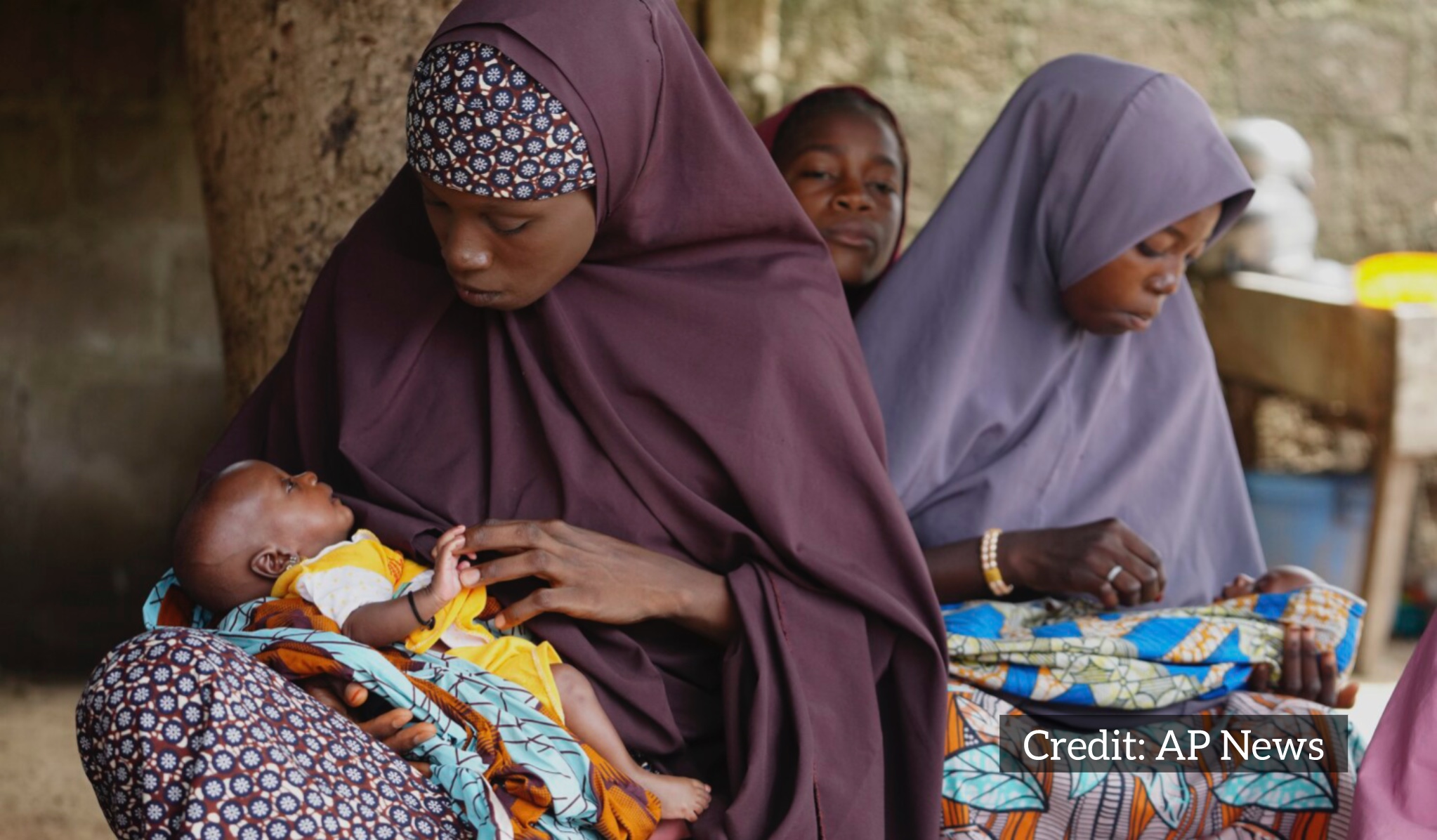
For expectant mothers like Khadijat Bakare, who is six months pregnant with her fourth child, and Aishat Okunloye, four months along and determined to avoid past complications, these new community programs offer a vital lifeline.
While the Nigerian government has launched federal programs aimed at reducing maternal mortality, including expanded antenatal coverage and improved emergency obstetric services, grassroots-led interventions are showing the fastest and most immediate impact.
Community health workers are actively identifying, registering, and monitoring pregnant women in high-risk areas, ensuring they become the first point of contact for medical assistance. These efforts are helping bridge the gap between vulnerable communities and formal healthcare systems.
Healthcare experts emphasize that reducing Nigeria’s maternal mortality crisis will require a multi-layered approach, one that combines federal policy reforms, increased funding, improved healthcare infrastructure, and stronger community participation.
Grassroots initiatives demonstrate that empowering local health workers, increasing maternal education, and removing financial barriers can save thousands of lives each year.
As Nigeria continues to battle this public health emergency, community-driven solutions may hold the key to transforming maternal health outcomes and ensuring safer pregnancies for millions of women.