

|
Getting your Trinity Audio player ready...
|
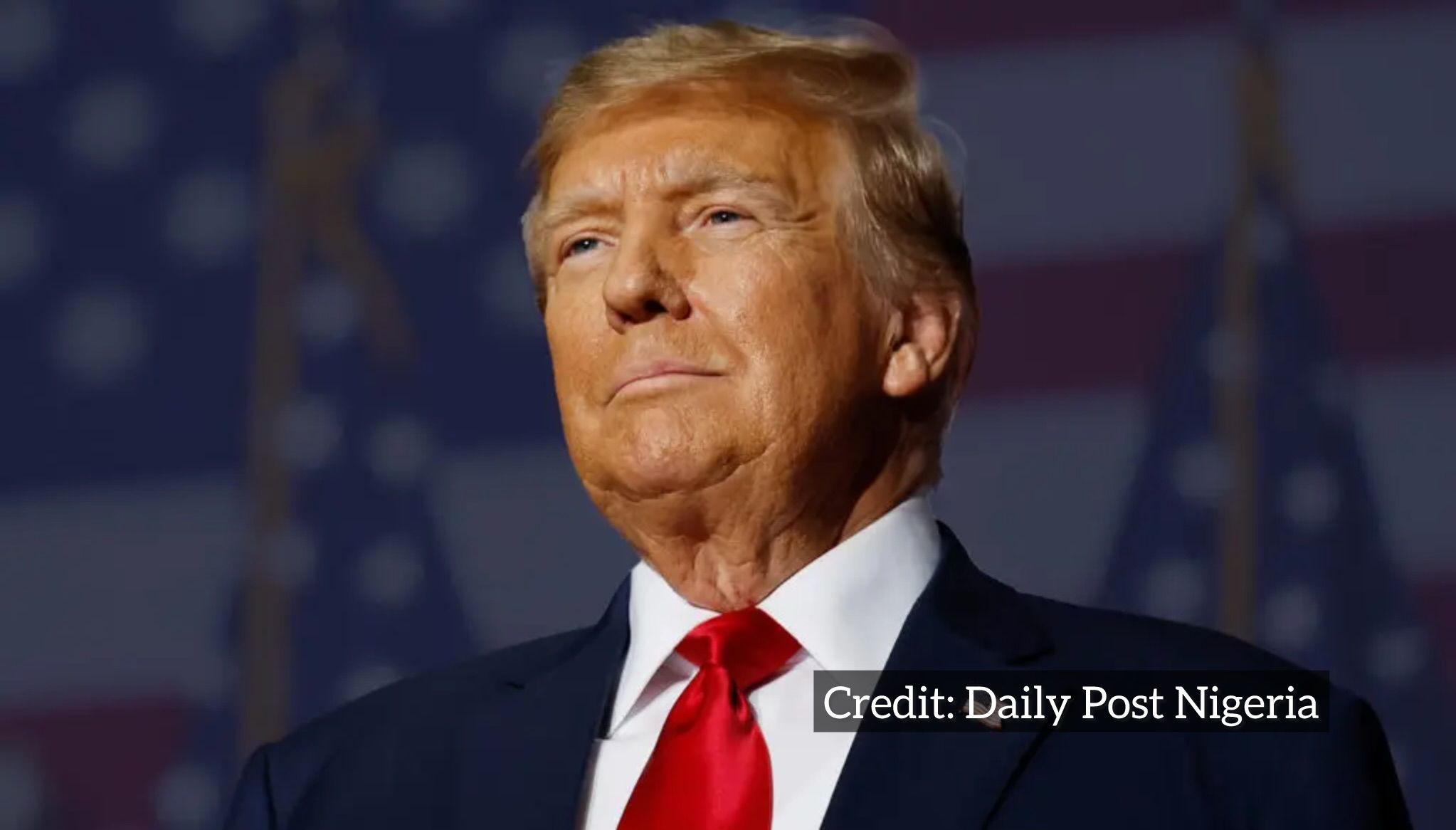
The United States has announced a $32.5 million humanitarian package aimed at tackling rising hunger and malnutrition in Nigeria, marking a notable shift in U.S. foreign aid policy under President Donald Trump’s administration. This assistance will focus on providing food and nutritional support to people displaced by ongoing violence and insecurity in the country’s northern regions.
According to a statement by the U.S. Mission to Nigeria, the aid will support 764,205 individuals across the north-east and north-west, including 41,569 pregnant and breastfeeding women and 43,235 children. Beneficiaries will receive electronic food vouchers and supplemental nutrition to alleviate the growing food insecurity crisis.
This intervention comes amid warnings from humanitarian agencies of an “unprecedented hunger emergency” in northern Nigeria. In July, the World Food Programme (WFP) revealed that over 1.3 million people were at risk of food shortages, with at least 150 nutrition clinics in Borno State facing potential closure due to funding gaps.
Nigeria’s hunger crisis has been exacerbated by multiple factors, including widespread insecurity, farmer-herder conflicts, and insurgency in the northeast. Recent attacks in the north-central and north-western regions have intensified the displacement of rural communities and disrupted agricultural activities. One such attack in June claimed the lives of approximately 150 people.
The conflict with insurgent groups in the northeast has further strained food access, resulting in the deaths of an estimated 35,000 civilians and forcing over 2 million people from their homes, according to United Nations figures.
Earlier this year, the WFP suspended food aid operations in parts of West and Central Africa after significant funding reductions by the U.S. and other major donors. Food reserves were forecasted to be depleted by September in several countries, threatening millions with hunger.
The new U.S. package represents a rare reversal in policy, as most U.S. foreign aid programs had been suspended under the current administration, particularly those managed by the U.S. Agency for International Development (USAID).
Humanitarian experts caution that while the newly approved funds will bring temporary relief, long-term solutions require improved security, expanded agricultural investment, and restoration of suspended aid programs to meet the region’s growing needs.