
Half the Story, Half the World: Why African Women Deserve More Space in the News
Written By Maxine Ansah

|
Getting your Trinity Audio player ready...
|
Thirty years after governments pledged to transform women’s lives through the Beijing Declaration and Platform for Action, the media continues to fall short in representing half of the world’s population. The latest Global Media Monitoring Project (GMMP) reveals that women appear or are heard in just 26 per cent of broadcast, radio and print news. This figure has barely shifted in the last fifteen years, rising by only nine points since 1995.
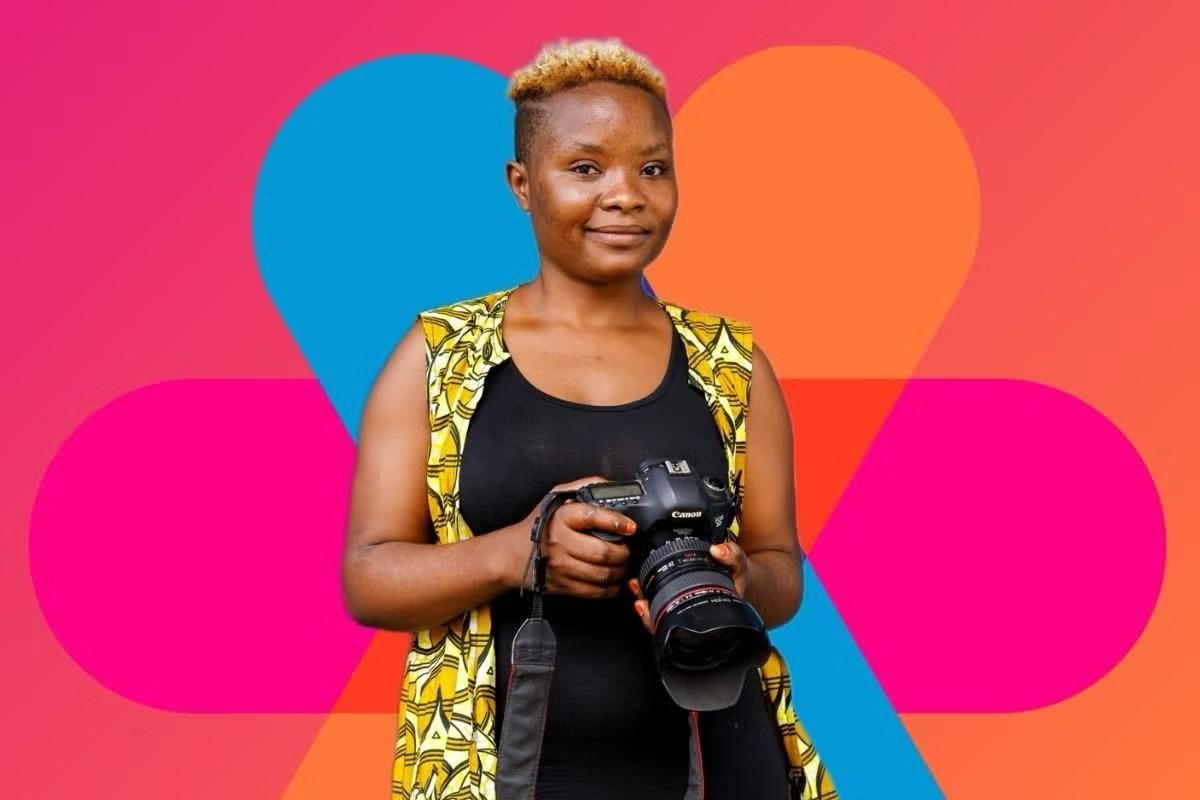
For African women, who play central roles in families, communities and economies, this lack of visibility is particularly troubling. Across sub-Saharan Africa, women form nearly half of the agricultural workforce, drive entrepreneurship, and lead movements for peace and climate justice. Yet they are too often absent from the stories that shape global and national debates. When women do appear in the news, they are more likely to be quoted as eyewitnesses rather than as experts, despite their qualifications and contributions.
The absence of women’s voices in mainstream media is not only a matter of representation, it is a question of democracy. Media frames public opinion, influences decision-making, and sets the agenda for governments and institutions. When women are missing from these conversations, societies risk perpetuating stereotypes and entrenching inequality. The GMMP findings confirm that only 2 in every 100 news stories challenge stereotypes, and that reporting on gender-based violence remains negligible, even though it affects millions of women across the world.
This silence has damaging consequences for young women and girls in Africa who grow up without seeing themselves reflected in positions of authority in the media. The lack of coverage on gender-based violence also undermines efforts to confront one of the most pervasive human rights violations on the continent. Stories that could bring visibility to survivors and push governments into action are simply not being told often enough.
There is, however, some progress worth noting. The share of women reporters in traditional news has risen to 41 per cent, compared to 28 per cent in 1995. Research shows that stories written by women journalists are more likely to feature women as subjects than those written by men. This underlines the urgent need to create more equitable newsrooms in Africa and beyond. Increasing women’s participation in journalism can help shift narratives and amplify the voices that have long been sidelined.
As the world marks Beijing+30 at the 80th United Nations General Assembly, the GMMP’s findings act as a sobering reminder of how far there is still to go. The final five years of the Sustainable Development Goals demand bold action from governments, editors, media platforms and policymakers. They must commit to fair representation in order to dismantle the deep-rooted stereotypes that continue to undermine women’s progress.
African women are not voiceless. They are leaders, innovators and experts. What is lacking is the space and recognition that the media grants them. Without women’s perspectives, no story is complete, no democracy is truly fair, and no future can be shared equally. It is time for African and global media to reflect the reality of women’s lives and to play their part in advancing equality.