

|
Getting your Trinity Audio player ready...
|
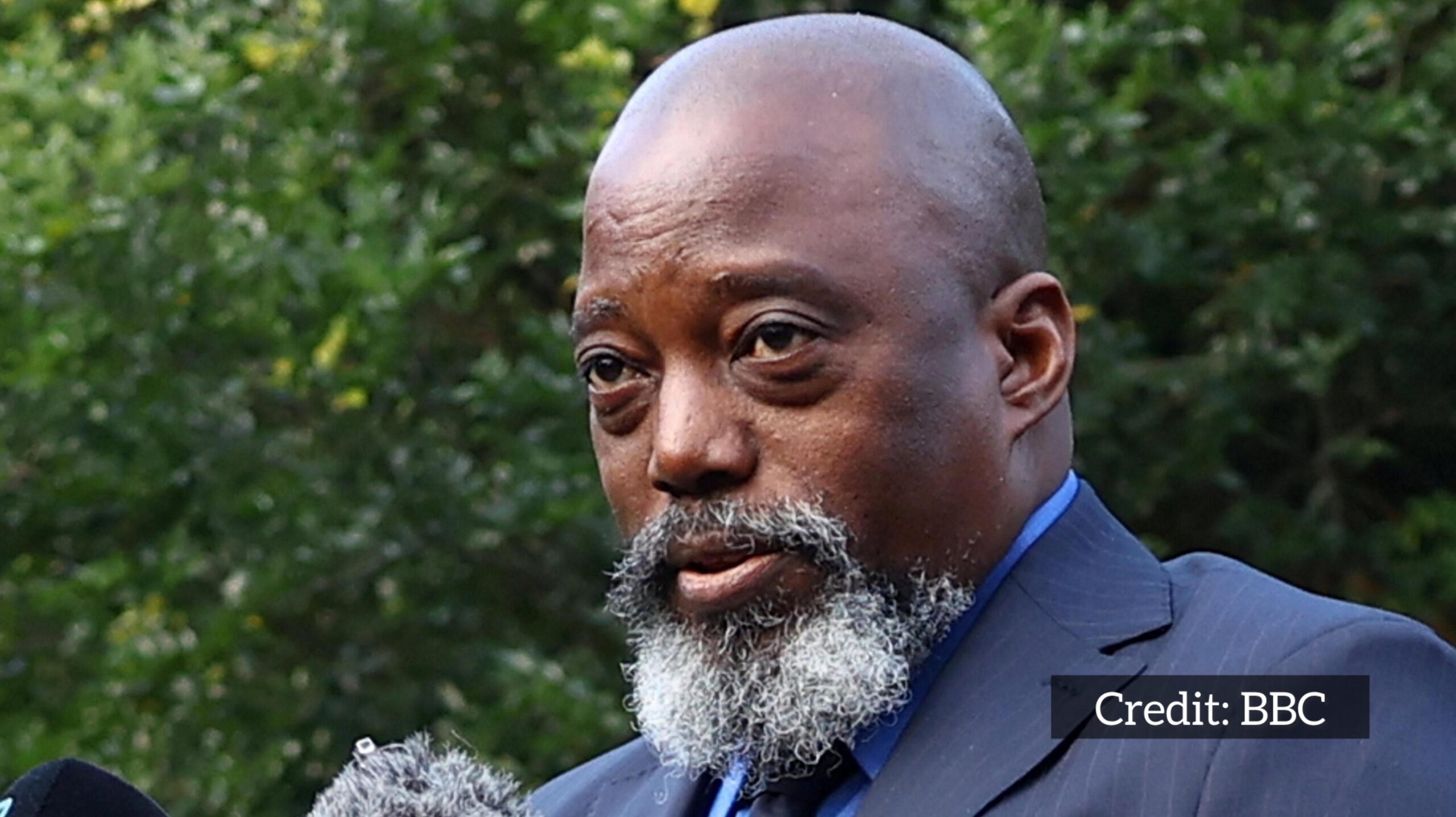
Former President of the Democratic Republic of Congo (DRC), Joseph Kabila, has condemned the ongoing treason trial against him, describing the proceedings as a politically orchestrated attempt to silence opposition voices. His remarks come after a military prosecutor last week requested the death penalty in a case that has gripped national and international attention.
In a written statement released on Tuesday, Kabila dismissed the charges, ranging from war crimes to conspiracy and treason, as “false and politically motivated.” He accused his successor, President Félix Tshisekedi, of using the judiciary as a political weapon while failing to address what he described as “widespread corruption,” particularly in the resource-rich Katanga region.
“This trial has nothing to do with justice,” Kabila stated. “It is an attempt to undermine the opposition and distract the nation from the government’s failures.”
Kabila, who ruled the DRC from 2001 to 2019, is being tried in absentia before the High Military Court. The trial began in late July, following the Senate’s decision to lift his parliamentary immunity, clearing the way for legal proceedings.
The charges include:
- Treason and conspiracy to overthrow the government
- War crimes, rape, and murder
- Alleged support for the Rwanda-backed M23 rebel group, which captured Goma in late 2023
If convicted, Kabila faces the death penalty, alongside requests for a 20-year sentence for condoning war crimes and 15 years for conspiracy.
Kabila returned to the DRC in April after two years of self-imposed exile, just months after M23 rebels seized Goma. His comeback to the volatile eastern region reignited political tensions, with critics accusing him of fueling instability.
The trial comes amid heightened insecurity in the eastern provinces and growing scrutiny over the government’s handling of rebel activity and corruption allegations.
Despite facing severe legal threats, Kabila called for a national dialogue and reconciliation process, arguing that sustainable peace cannot be achieved through selective justice.
“Reconciliation will come neither from partial agreements nor from selective trials,” he said, urging Congolese leaders to engage all parties in meaningful discussions to stabilize the country.
The case has deepened political divisions in the DRC, with Kabila’s supporters accusing the government of orchestrating a politically motivated witch-hunt, while officials argue that the proceedings are part of broader efforts to tackle impunity.
Observers note that the outcome of this trial could have far-reaching implications for the country’s fragile political balance, particularly as it navigates ongoing conflicts and prepares for upcoming elections.