


|
Getting your Trinity Audio player ready...
|
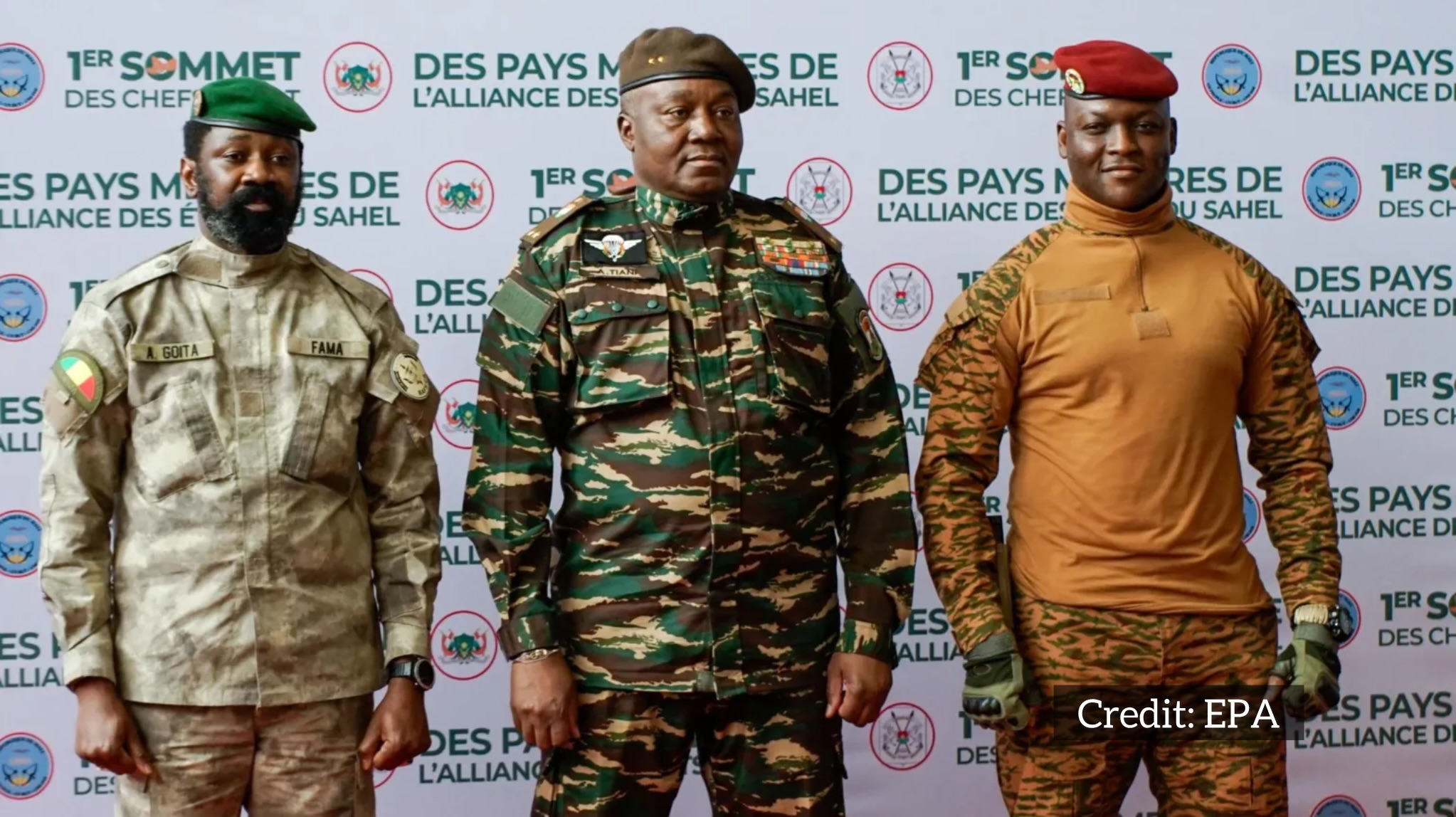
In a historic and controversial move, Burkina Faso, Mali, and Niger have jointly declared their immediate withdrawal from the International Criminal Court (ICC), denouncing the institution as an “instrument of neo-colonial repression.” The announcement underscores the growing rift between the military-led Sahel nations and international institutions, further reshaping political alliances in the region.
Joint Statement Rejecting ICC Authority
The three governments, currently led by military juntas, issued a unified statement rejecting the ICC’s jurisdiction. They argued that the court, headquartered in The Hague, has failed in its mandate to prosecute serious global crimes such as genocide, crimes against humanity, and war crimes.
“The ICC has proven incapable of addressing proven atrocities across the globe,” the leaders declared, accusing the institution of disproportionately targeting African nations while overlooking violations by powerful states.
Plans for Homegrown Justice Systems
Burkina Faso, Mali, and Niger emphasized their intention to create what they called “indigenous mechanisms for peace and justice.” This announcement highlights their aim to establish legal frameworks that operate independently from international oversight, a move many observers see as part of a broader drive for sovereignty in the face of global criticism.
Longstanding Criticism of ICC’s Africa Focus
Since its founding in 2002, the ICC has faced criticism for its case selection. Out of the 33 prosecutions launched, nearly all have involved African nations, leading to claims of bias. Rwandan President Paul Kagame has previously accused the ICC of unfairly targeting African states, an argument now echoed by the Sahel trio.
Notably, while the ICC is mandated to prosecute genocide, war crimes, crimes against humanity, and the crime of aggression, it has faced repeated accusations of selective justice. The court has yet to comment on the joint withdrawal announcement.
Political and Security Backdrop
The decision comes as all three countries remain under military rule following a series of coups between 2020 and 2023. Together, they form the Confederation of Sahel States, a bloc forged after their coordinated withdrawal from the Economic Community of West African States (ECOWAS) earlier this year. Their departure from ECOWAS was driven by disputes over demands for a return to democratic governance.
The Sahel region continues to experience intense conflict, with national armies battling jihadist insurgents linked to al-Qaeda and the Islamic State. Human rights organizations have repeatedly accused security forces in Burkina Faso, Mali, and Niger of abuses against civilians, allegations that the military authorities have rejected.
Shifting Alliances Toward Russia
The three countries have deepened ties with Russia in recent years, distancing themselves from Western powers, particularly France, the region’s former colonial ruler. Their alignment with Moscow has coincided with the ICC’s issuance of an arrest warrant for Russian President Vladimir Putin in 2023 over alleged war crimes in Ukraine. Analysts suggest this political alignment may have influenced the Sahel states’ hardened stance against the ICC.
What Comes Next
Under ICC rules, a country’s withdrawal becomes legally binding one year after formal notification to the United Nations. Until then, the ICC retains authority over crimes committed within those nations during their membership.
The coordinated departure of Burkina Faso, Mali, and Niger raises fresh questions about the credibility and future of the ICC, particularly its relationship with African states. It also marks another decisive step in the Sahel bloc’s effort to assert independence from international organizations they view as tools of external influence.