
|
Getting your Trinity Audio player ready...
|
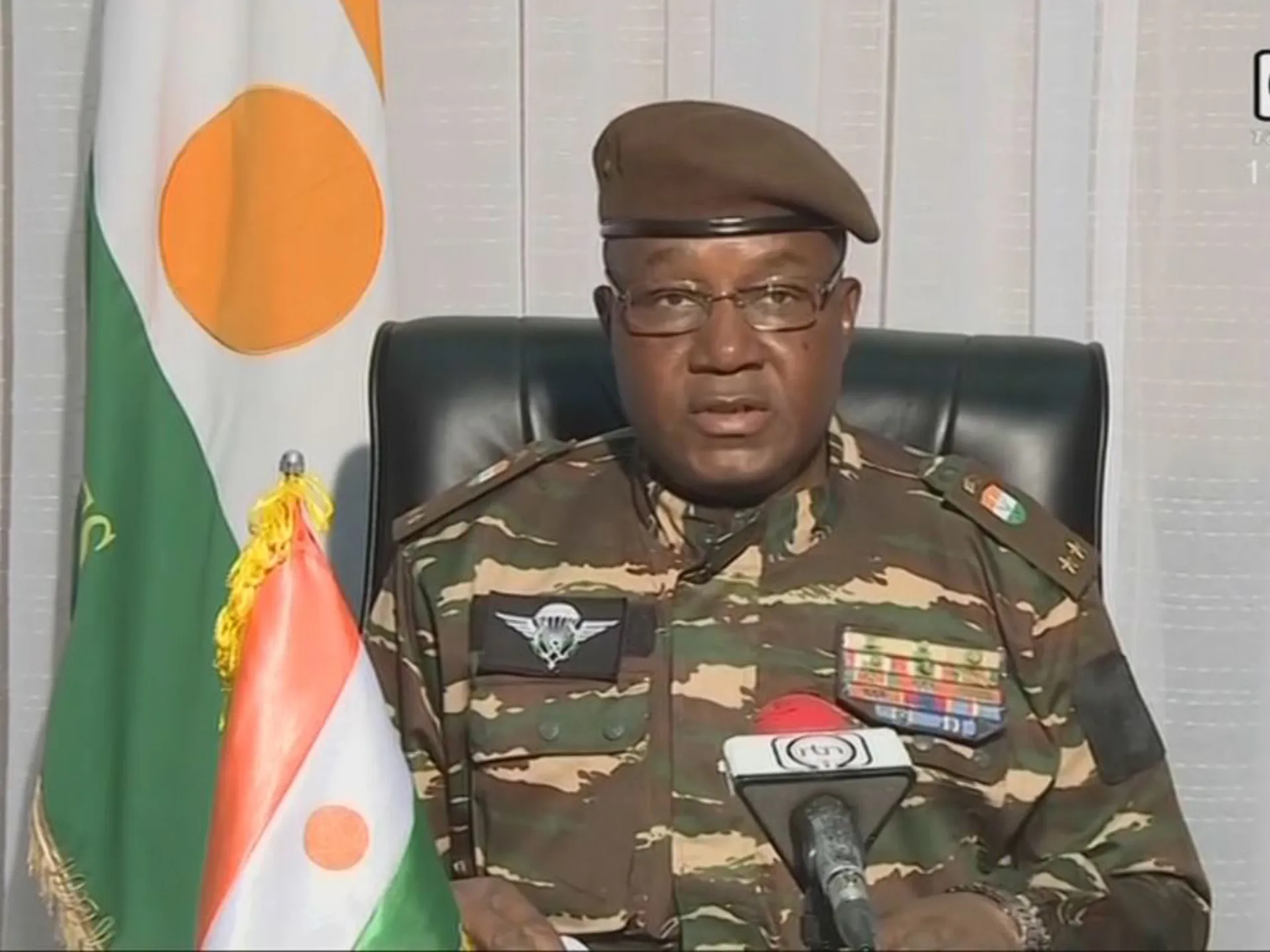
NIAMEY / PARIS — In a bold shift of power, Niger’s military-led government has seized control of its once-French-dominated uranium assets, sparking a diplomatic standoff that’s raising serious questions about resource sovereignty across Africa.
The Core Conflict
- French nuclear firm Orano claims there are 1,500 metric tons of uranium stockpiled at the SOMAIR mine in northern Niger — a site it says was expropriated by Niger’s government.
- Orano has initiated arbitration under the World Bank’s ICSID tribunal, demanding compensation and threatening legal action if this uranium is sold without authorization.
- In response, a tribunal has already issued an order blocking Niger from transferring or selling uranium produced before the takeover.
Historical and Technical Context
- The SOMAIR mine, located near Arlit, has been a key uranium producer in Niger since the 1970s.
- Under old arrangements, Orano controlled 63.4% of SOMAIR. But following a 2024 revocation of its operational control, Niger moved to nationalize the mine entirely.
- Niger claims Orano extracted vast amounts of uranium over decades while giving Nigeriens little benefit — accusing the company of “misery, pollution, corruption, rebellion, and desolation.”
What’s at Stake
Economic & Political Sovereignty
This isn’t just about one mine. Niger’s move reflects a broader wave across the Sahel — Mali, Burkina Faso, Guinea, and others are also rethinking their “deals” with foreign mining interests.
The fight over 1,500 tons of uranium isn’t just financial — it’s a statement: Africa must control its resources, not rent them.
Legal & Market Risk
If Niger attempts to monetize that uranium, it risks retaliatory legal action from Orano or its allies. Buyers could be dragged into court. The interim tribunal order already makes any transfer before the takeover risky.
Meanwhile, global uranium markets are watching closely. Niger’s uranium used to account for a significant slice of French supply — losing it weakens Paris’ nuclear strategy.
Geopolitics & New Alliances
Some interested buyers reportedly include Iran, Russia, and Turkey. Niger may be pivoting away from Paris toward an alternative axis of influence.
This shift could reshape power in the Sahel — foreign powers once aligned with Europe may lose leverage.
Verdict: Power, Not Just Profit
This isn’t a disagreement over a contract. It’s a fight over who holds leverage in Africa’s resource future. Niger is daring to say: “Our land, our rules.”
Whether Niger succeeds or gets pressured, this moment changes the narrative. And to France, it’s more than losing uranium — it’s being confronted with its own legacy of extraction.