

Trump’s Second Term Puts Africa–U.S. Relations to the Test
Africa Turns Inward as Trump’s Policies Reshape Global Partnerships

|
Getting your Trinity Audio player ready...
|
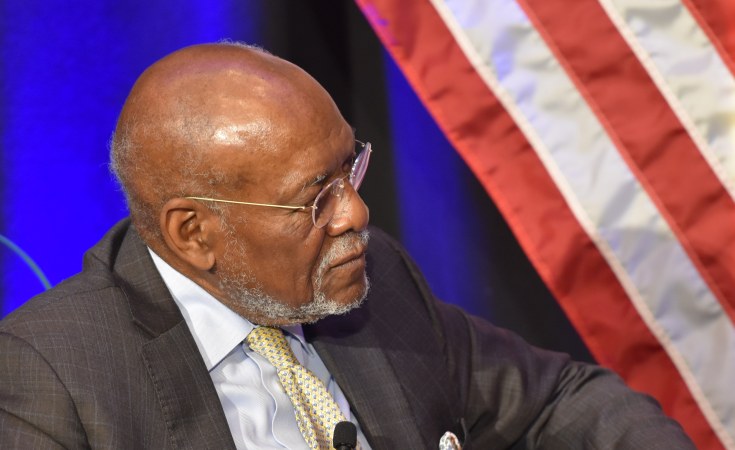
Ambassador Johnnie Carson, former U.S. Assistant Secretary of State for Africa, has warned that President Donald Trump’s second term could deal a serious blow to U.S.–Africa relations, signaling a retreat from cooperation that once supported economic development, democratic reform, and regional security.
In a detailed analysis published by AllAfrica, Carson outlined how the administration’s “America First” agenda, characterized by high tariffs, reduced development aid, and restrictive immigration policies, stands in sharp contrast to Africa’s pursuit of multilateralism, inclusion, and global partnership. He noted that the administration’s stance risks weakening America’s long-standing ties with key African states like Nigeria and South Africa, while creating new openings for China, Russia, India, and the Gulf states to expand influence across the continent.
Impact on Africa’s Development and Global Voice
Under Trump’s renewed leadership, programs that once defined U.S. engagement with Africa—such as PEPFAR, Power Africa, Feed the Future, YALI, and Prosper Africa—are either defunded or under threat. These initiatives provided electricity to millions, boosted agricultural productivity, supported youth leadership, and strengthened health systems that saved millions of lives. Carson warned that the loss of such programs would not only stall Africa’s development but also erode diplomatic trust built over decades.
Furthermore, the potential end of the African Growth and Opportunity Act (AGOA) could disrupt trade for African nations such as Kenya, South Africa, Lesotho, and Mauritius. The legislation, which granted duty-free access to U.S. markets, expired in September 2025 and faces uncertain renewal under Trump’s protectionist policies.
Carson also highlighted that the administration’s indifference to human rights, women’s empowerment, and democratic governance would embolden authoritarian regimes, threatening Africa’s fragile progress in political reform. The reduction of U.S. diplomatic staff, closure of embassies, and possible merger of the State Department’s Bureau of African Affairs into the Middle East division further reinforce the perception of a diminished American interest in Africa’s future.
Africa’s Response: Building Its Own Path Forward
Despite this diplomatic chill, Carson underscored that Africa is not retreating—it is reorganizing. With stronger intra-African cooperation through platforms like the African Union, BRICS, the G77, and the Organisation of African, Caribbean and Pacific States (OACPS), African nations are asserting greater autonomy in shaping their collective destiny. This shift reflects a growing recognition that Africa’s development will not hinge on external approval but on strategic partnerships that align with its long-term vision of unity and economic independence.
Trump’s disengagement, while challenging, may catalyze a new wave of African-led initiatives, encouraging governments to strengthen ties within the continent and with emerging powers in Asia and the Middle East. The continent’s young population, abundant resources, and technological innovation remain the foundation for its resilience.
Africa’s future cannot be defined by foreign policies but by its own vision of progress, leadership, and self-reliance. As global dynamics shift, the continent’s strength lies not in dependency, but in redefining its place at the world’s decision-making tables—on its own terms.