
Care Counts: How East and Southern Africa Are Reclaiming Women’s Time and Transforming Economies
By Maxine Ansah
|
Getting your Trinity Audio player ready...
|
Across East and Southern Africa, millions of women begin their day before sunrise. They fetch water, prepare meals, care for children and older relatives, support family members with disabilities, and keep households running. This unpaid care work keeps economies functioning but comes with heavy costs. Women face time poverty, lower incomes, and poorer health as they shoulder the invisible labour that sustains society.
UN Women’s East and Southern Africa Regional Office is working to rewrite this story. Anchored in a global framework for care and economic justice, the agency’s goal is simple yet revolutionary: to recognise care as essential work and ensure it becomes everyone’s responsibility. “The care economy is the backbone of our societies. When we invest in care, we invest in economic justice, stronger communities, and a future where women’s time and talents are valued equally,” says Anna Mutavati, UN Women’s Regional Director for East and Southern Africa.
This movement took root in 2022 when UN Women convened governments, unions, and care workers in Nairobi for the region’s first Care Economy Sharefair. What began as a conference has grown into a vibrant network driving practical change across homes, markets, farms, and workplaces. The initiative focuses on making care visible, valued, and supported through policies, infrastructure, and mindset shifts.
From access to clean water and childcare centres to new protections for care workers, the transformation is reshaping daily life. Hours once lost to strenuous chores are being reclaimed for learning, earning, or resting. Women are using this time to start small businesses, join cooperatives, and step into professional caregiving roles. At the same time, more men are sharing household responsibilities, fostering balance at home and modelling equality for younger generations.
Rwanda: Care Enters the Law and Everyday Life
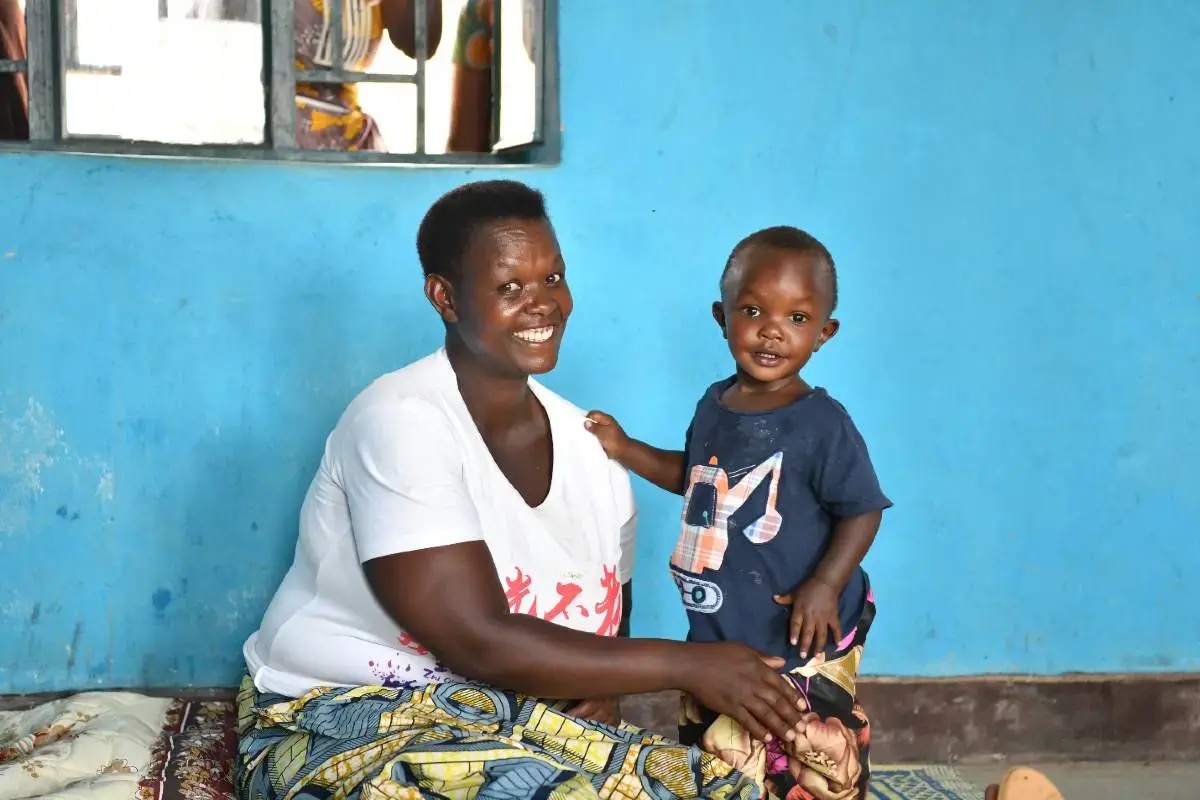
In Rwanda’s Gikomero community, widow Marie Louise once spent hours fetching water each day. With a rainwater harvesting tank installed through a UN Women initiative, her routine has changed dramatically. “I can grow more, sell more, and take better care of my grandchildren,” she says.
Rwanda is combining these practical interventions with progressive legal reforms. In July 2024, the government revised its Law Governing Persons and Family to recognise unpaid care work in marital property, valuing it at 10 to 39 per cent of jointly acquired assets. This landmark reform came after UN Women data revealed that women spend an average of 3.7 hours daily on unpaid care work, more than triple the time spent by men.
Time-saving infrastructure is now transforming communities. Over 1,100 energy-efficient cookstoves and 92 rainwater tanks have reduced the time women spend on chores. A 2025 study found that the hours saved are now devoted to farming, business, and training, with families also enjoying improved health from cleaner cooking.
Rwanda is also professionalising care. New Early Childhood Development centres in Nyaruguru, Ngoma, and Kirehe allow mothers to work or rest while trained caregivers nurture children. UN Women’s awareness campaigns on radio and television are also changing mindsets, with 98 per cent of households reporting increased male participation in caregiving. To ensure sustainability, the government is incorporating care into national budgets using UN Women’s Engendering Fiscal Space Tool. These achievements are supported by the Government of Germany through its Federal Ministry for Economic Cooperation and Development.
Tanzania: Cleaner Cooking, Greater Opportunities
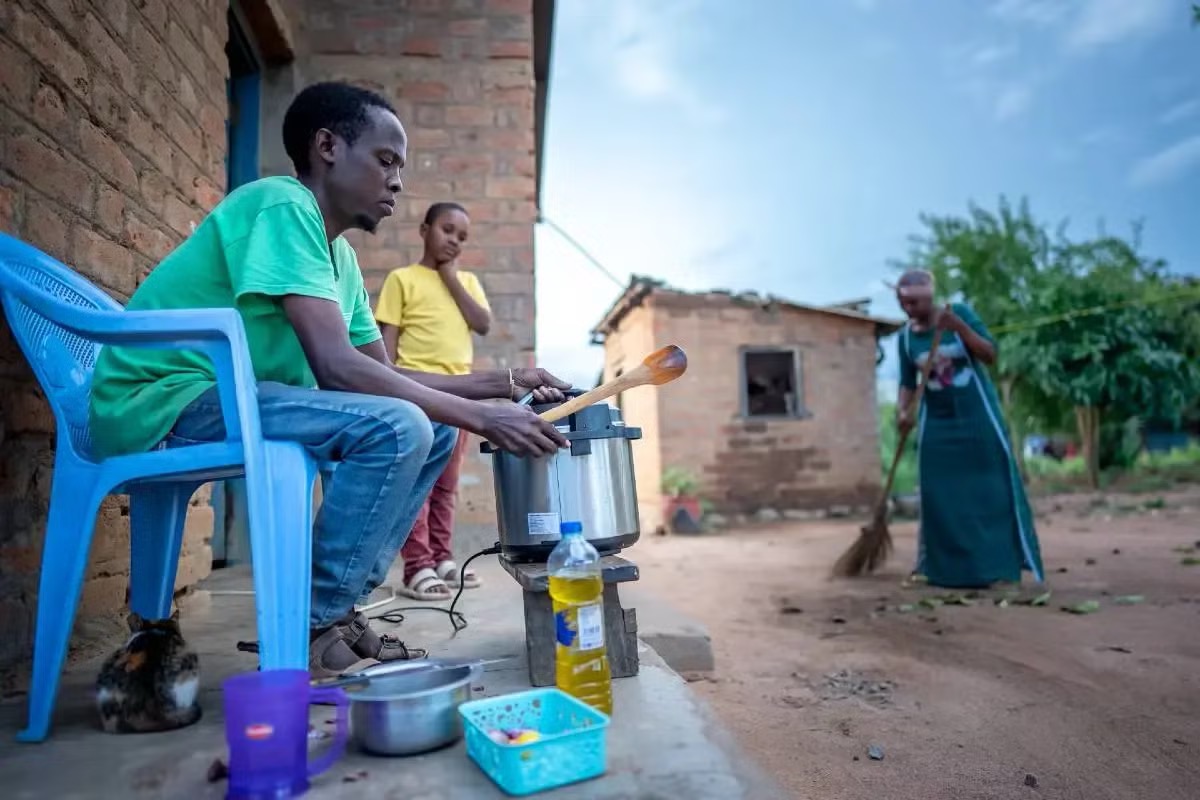
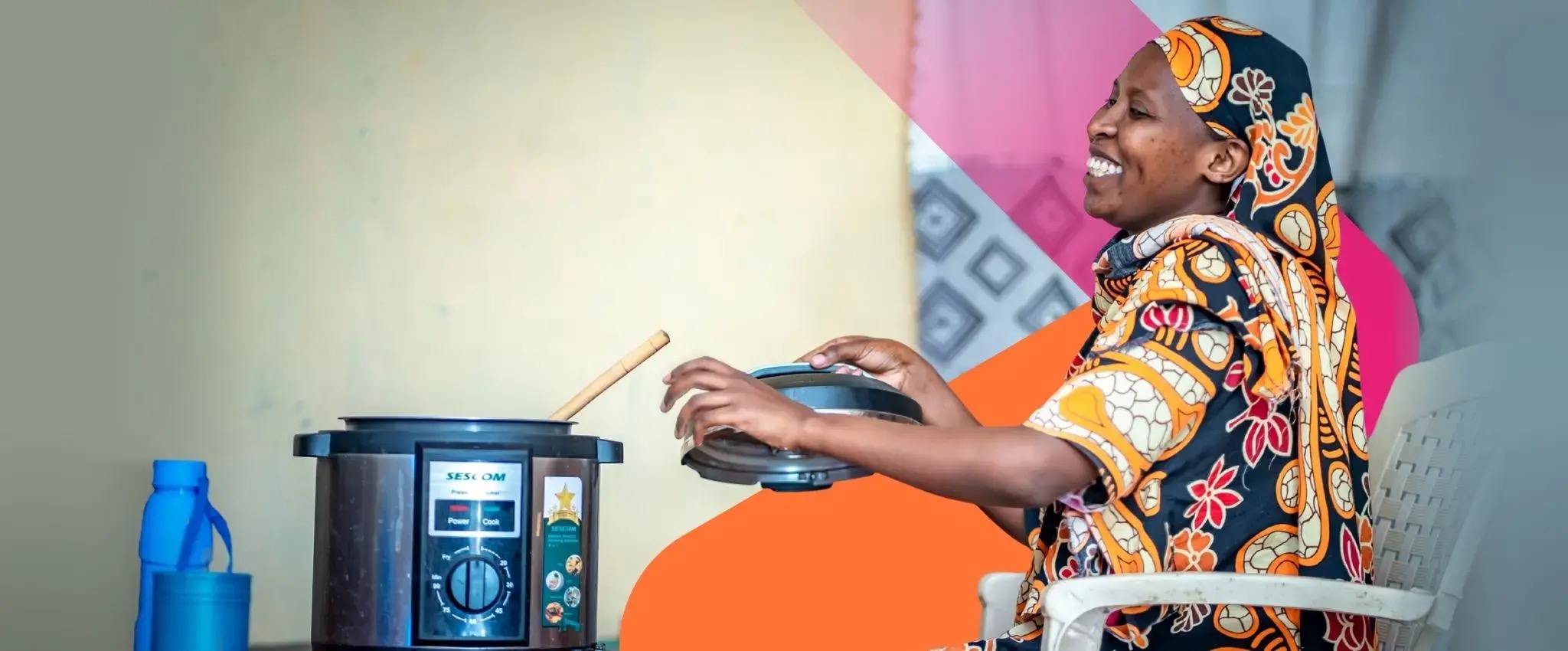
In Tanzania’s Singida region, Khadija Abdallah’s days once revolved around collecting firewood and cooking over smoky stoves. “Now I have more time for my shop and my children,” she says. Thanks to an improved cookstove introduced through a UN Women project supported by the Government of Canada, Khadija and many others have regained precious hours.
The Tanzanian government has made significant policy strides to support this change. The National Gender and Women Development Policy (2023) prioritises shared responsibility for care, while the National Clean Cooking Strategy aims for 80 per cent of households to use clean cooking solutions by 2034.
Across Singida, Dodoma, and Zanzibar, over 400 clean cooking and solar technologies have been distributed, cutting cooking time by up to three hours daily. In Ikungi alone, 248 households use the improved stoves, with women trained as installers forming new business groups.
Childcare access is expanding too. UN Women has supported the creation of childcare centres in market areas in Ikungi and Puma, giving mothers a safe space for their children while they work. More than 3,000 Early Childhood Development centres have opened across the mainland and 54 in Zanzibar, complemented by new nursing rooms in offices and markets under the Government of Tanzania’s Generation Equality initiative.
Community conversations and awareness campaigns are also shifting cultural norms. More men now share domestic chores, reducing time stress for women and fostering more balanced family routines. Importantly, new care services are also empowering women with disabilities, giving them greater independence and inclusion in community life.
South Africa: Protecting the Hands That Hold Families Together
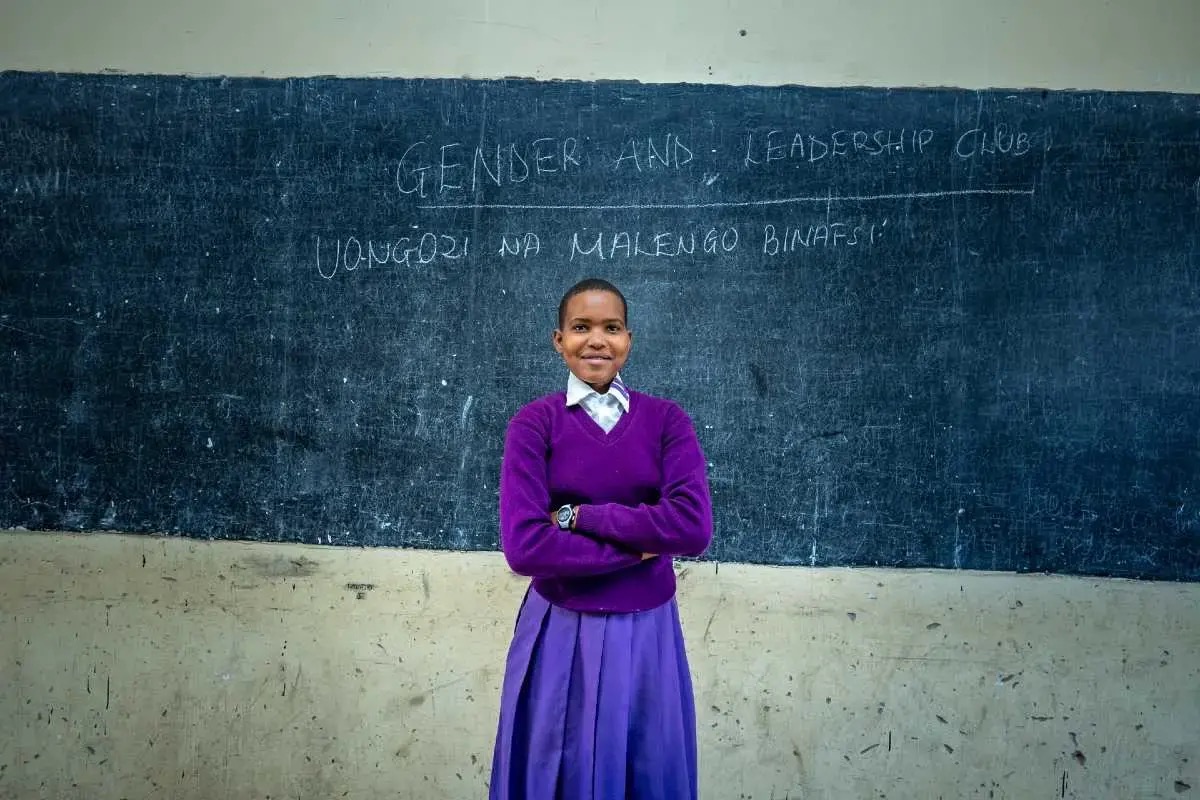
In South Africa, domestic workers like Noluthando have long cared for homes, children, and the elderly without contracts, paid leave, or health protection. “We are the hands that keep families together, but for too long we have been invisible,” she says.
South Africa has an estimated 1.2 million domestic workers, many of them migrants or from historically marginalised backgrounds. In 2022, the country enacted the Domestic Workers Act, guaranteeing minimum wages and workplace protections. Persistent advocacy also secured domestic workers the right to join the Unemployment Insurance Fund, offering financial relief during periods of job loss.
UN Women is partnering with unions across Gauteng, Western Cape, and KwaZulu-Natal to train workers, raise awareness of their rights, and push for better enforcement of labour laws. The focus includes mandatory registration for all domestic workers, wage standardisation, stronger labour inspections, and accessible reporting systems.
As G20 Chair in 2025, South Africa is taking this message global. It is calling for recognition that economies thrive when care is valued and when care workers receive fair pay and protection.
The Ripple Effects of Investing in Care
When care is valued and supported, everyone benefits. Time poverty falls as women gain access to cleaner cooking technologies, nearby water sources, and childcare facilities, freeing hours each day for work, study, or rest. Household incomes rise as women enter paid employment or grow businesses. Men share domestic responsibilities more equitably, strengthening families and communities.
Crucially, care workers gain long-overdue recognition through fair pay, social protection, and safer working conditions. The growing care economy is not only transforming individual lives but also reshaping societies across East and Southern Africa.
From Kigali to Cape Town, care is no longer seen as “women’s work” but as shared social infrastructure essential to human and economic development. As women like Marie Louise, Khadija, and Noluthando reclaim their time and dignity, the region moves closer to a future where care truly counts for everyone.
Sources:
- UN Women East and Southern Africa Regional Office
- Government of Rwanda, Law Governing Persons and Family (2024)
- UN Women Rwanda Study on Unpaid Care Work (2024–2025)
- Government of Germany, Federal Ministry for Economic Cooperation and Development (BMZ)
- Government of Tanzania, National Gender and Women Development Policy (2023)
- Government of Tanzania, National Clean Cooking Strategy (2021–2034)
- Government of Canada, Department of Foreign Affairs, Trade and Development
- UN Women Tanzania Generation Equality Initiative
- Government of South Africa, Domestic Workers Act (2022)
- UN Women and Trade Union Reports on Domestic Workers’ Rights in South Africa (2023–2025)