

Tanzania election 2025. Samia Suluhu Hassan set for easy win as opposition shrinks

|
Getting your Trinity Audio player ready...
|
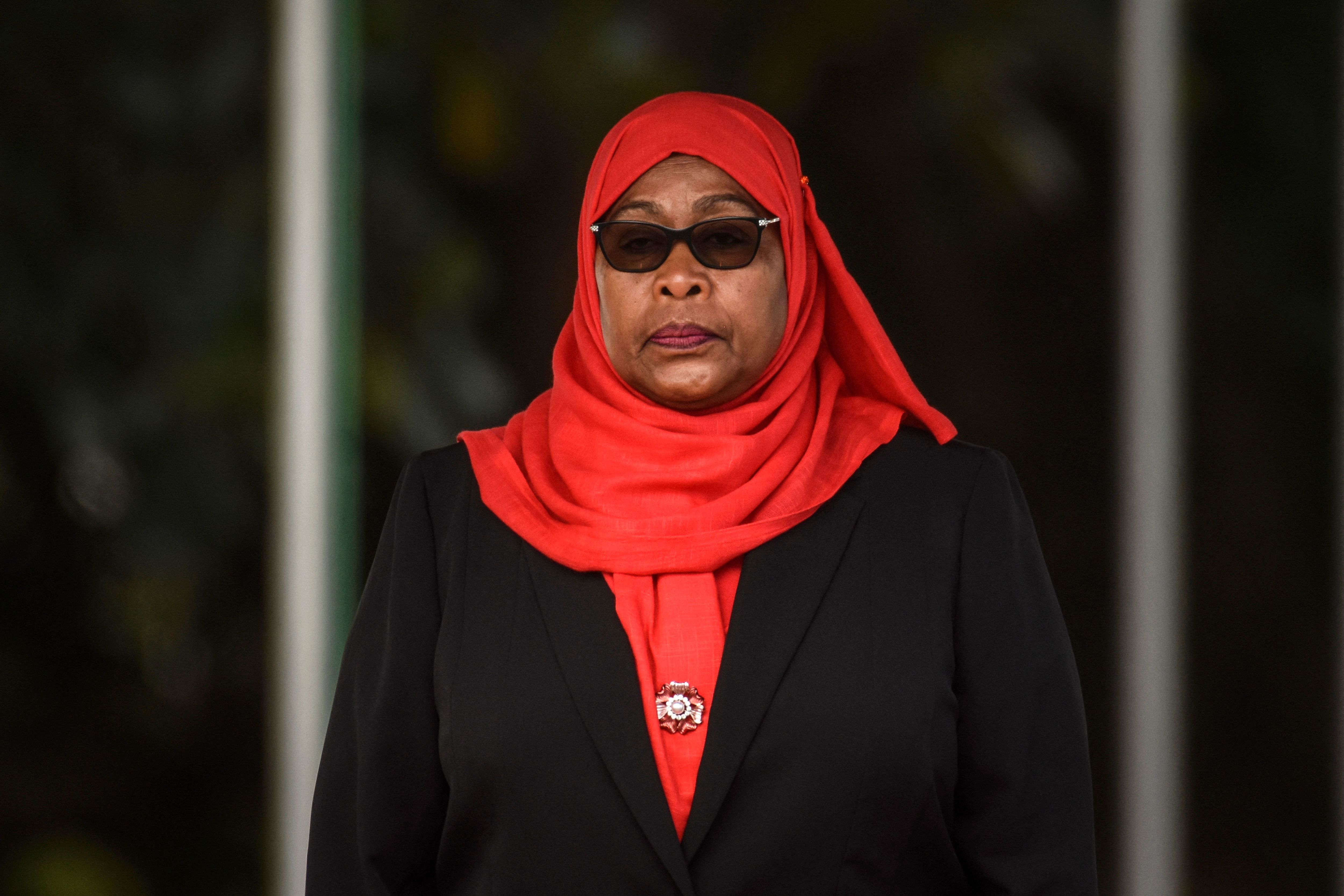
With voting set for Wednesday, Tanzania’s first woman head of state Samia Suluhu Hassan, 65, faces her first presidential election with no heavyweight opposition candidates cleared. Many voters describe the moment as a coronation rather than a contest. Africa news watchers see a pivotal test for leadership, youth participation, and development in East Africa. Her tenure began in 2021 after the death of John Magufuli, whose legacy mixed an anti corruption drive with a harsh clampdown on dissent and a controversial Covid stance.
Early in office, President Samia launched the four Rs policy of reconciliation, resilience, reform, and rebuilding. That softer tone restored relations with global partners, drew back investors, and repaired ties with the IMF and World Bank. Political analysts note the reset supported macro stability and development financing for a young nation seeking jobs, better health systems, and modern infrastructure.
Over the last two years, however, civil society and opposition figures report a shrinking political space. Activists and analysts cite abductions and killings, with Freedom House rating Tanzania as not free last year after classifying it as partly free in 2020. The government has not commented on these allegations. The ruling party CCM has won every contest since the return of multi party politics in 1992. This cycle, the electoral commission cleared 17 presidential candidates, yet the main opposition party Chadema is barred. Its leader Tundu Lissu is on trial for treason after calling for electoral reforms. Chadema urges a boycott. Deputy leader John Heche was arrested last week and questioned the depth of the reforms.
From ACT Wazalendo, presidential hopeful Luhana Mpina was disqualified twice. A High Court ruling briefly reinstated him before an appeal by the Attorney General, after which the electoral commission upheld his disqualification. Smaller parties including Chaumma and CUF remain in the race but are not seen as credible threats. Analyst Nicodemus Minde of the Institute for Security Studies argues that ruling party control and limited civic space undermine inclusiveness and credibility. Some voters, like Godfrey Lusana in Dar es Salaam, say they will not vote without a strong opposition and an independent commission.
In contrast, Zanzibar is witnessing a vibrant campaign. The islands elect a regional president, where CCM incumbent Hussein Mwinyi seeks another term against Othman Masoud of ACT Wazalendo, who has served as deputy in a unity administration. President Samia, originally from Zanzibar, leans on her early reputation for dialogue and promises development through infrastructure, health, and education. Supporters such as first time voter Queen Castoric say she brings dignity and serves as a model for young women. Others, including Celina Ponsiana in Dar es Salaam, call for clearer action on unemployment.
Youth make up the majority of Tanzania’s 37.7 million registered voters. Some express anger about silence on reported abductions and frustration with corruption concerns. President Samia has recently adopted a firmer tone, reminding citizens that she is chief of the defence forces. Inside CCM, some objected to her unchallenged candidacy. Senior party figure Humphrey Polepole publicly criticized the process and was later abducted in unclear circumstances. Analyst Minde points to a powerful network of business and political backers known as Mtandao and says internal party democracy has narrowed while a public image of unity is maintained.
Media self censorship and reduced political discourse drive debate to private spaces and social platforms. Analysts warn that low engagement among youth could weaken legitimacy and heighten the risk of protests if turnout is poor. Lawyer and activist Tito Magoti sets a simple demand list. Free speech. Freedom of movement. Space to participate without fear.
Why this matters for Africa
Tanzania is a regional anchor in East Africa. A credible vote with open civic space can strengthen investor confidence, accelerate regional trade, and reinforce democratic norms that support long run development. Youth participation is central to leadership renewal and to harnessing a vast demographic dividend. Where reforms expand rights, protect media, and deepen rule of law, the payoff is clear. More inclusive growth. More resilient institutions. More trust.
What comes next
Whatever the result, Africa’s youngest generations will keep pushing for accountable leadership and development that meets everyday needs in jobs, health, and education. Tanzania’s path can still bend toward openness. Building on economic reforms while safeguarding civic freedoms can turn stability into shared prosperity. The story is not over. It is a young country with a long runway. The opportunity is to make this election a foundation for a more inclusive future.