
|
Getting your Trinity Audio player ready...
|
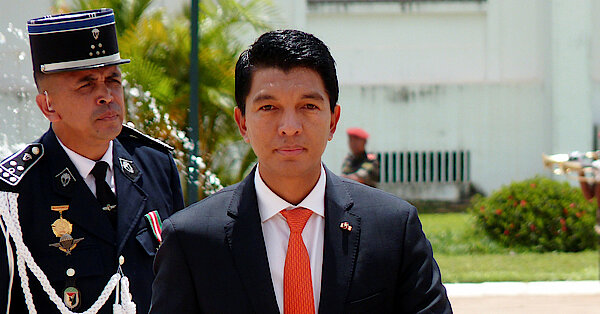
Madagascar’s political crisis has deepened after former president Andry Rajoelina, 51, was officially stripped of his citizenship by the country’s new military-led government. The decision follows his ouster in a coup last week and signals an intensifying struggle for legitimacy in one of Africa’s most politically volatile island nations.
The order, signed by Prime Minister Herintsalama Rajaonarivelo, cited Malagasy laws that revoke nationality from individuals who acquire foreign citizenship. Rajoelina, who obtained French citizenship a decade ago, had long faced calls for disqualification from the 2023 presidential election but went on to win. The revelation of his dual nationality sparked public outrage and amplified long-simmering debates over national identity and leadership accountability in Madagascar.
Rajoelina fled the country following weeks of youth-led protests over widespread power and water shortages. Demonstrations organized by Gen Z Mada, a movement inspired by protests in Nepal, escalated after security forces responded with violence. Attempts to ease tensions by sacking his energy minister and later his government failed to restore order.
The unrest culminated in a military takeover led by Colonel Michael Randrianirina, commander of the elite security forces. Randrianirina has since been sworn in as Madagascar’s new leader, pledging to form a transitional government and hold elections within two years.
Youth-Led Movements and Madagascar’s Turning Point
The youth protests that preceded the coup highlight a generational shift across Africa. In Madagascar, young activists demanding accountability, transparency, and economic reform have been at the heart of political mobilization. Their persistence underscores a growing regional pattern of youth-led change from Nairobi to Niamey.
Rajoelina’s downfall — once hailed as a young visionary when he first rose to power in 2009 — marks a sobering moment. His argument that he secretly acquired French nationality for his children’s education failed to resonate with a population weary of inequality and corruption. The coup reflects both frustration with leadership and renewed pressure for reform.
A Moment of Reckoning for African Democracy
For Africa, Madagascar’s crisis is another reminder that political legitimacy cannot rely solely on elections but on governance that delivers trust and results. The situation has raised questions about how nations can balance youth demands for justice with the need for institutional stability.
Still, within turmoil lies potential. The involvement of young protesters, the promise of future elections, and the renewed call for transparency could lay the groundwork for a more inclusive political order. If the transitional government follows through on its pledges, Madagascar could turn crisis into correction — and set a precedent for African nations navigating leadership renewal in fragile democracies.