

|
Getting your Trinity Audio player ready...
|
Ethiopia’s Bold Debt Drop—and Why It’s Not All Smooth Sailing
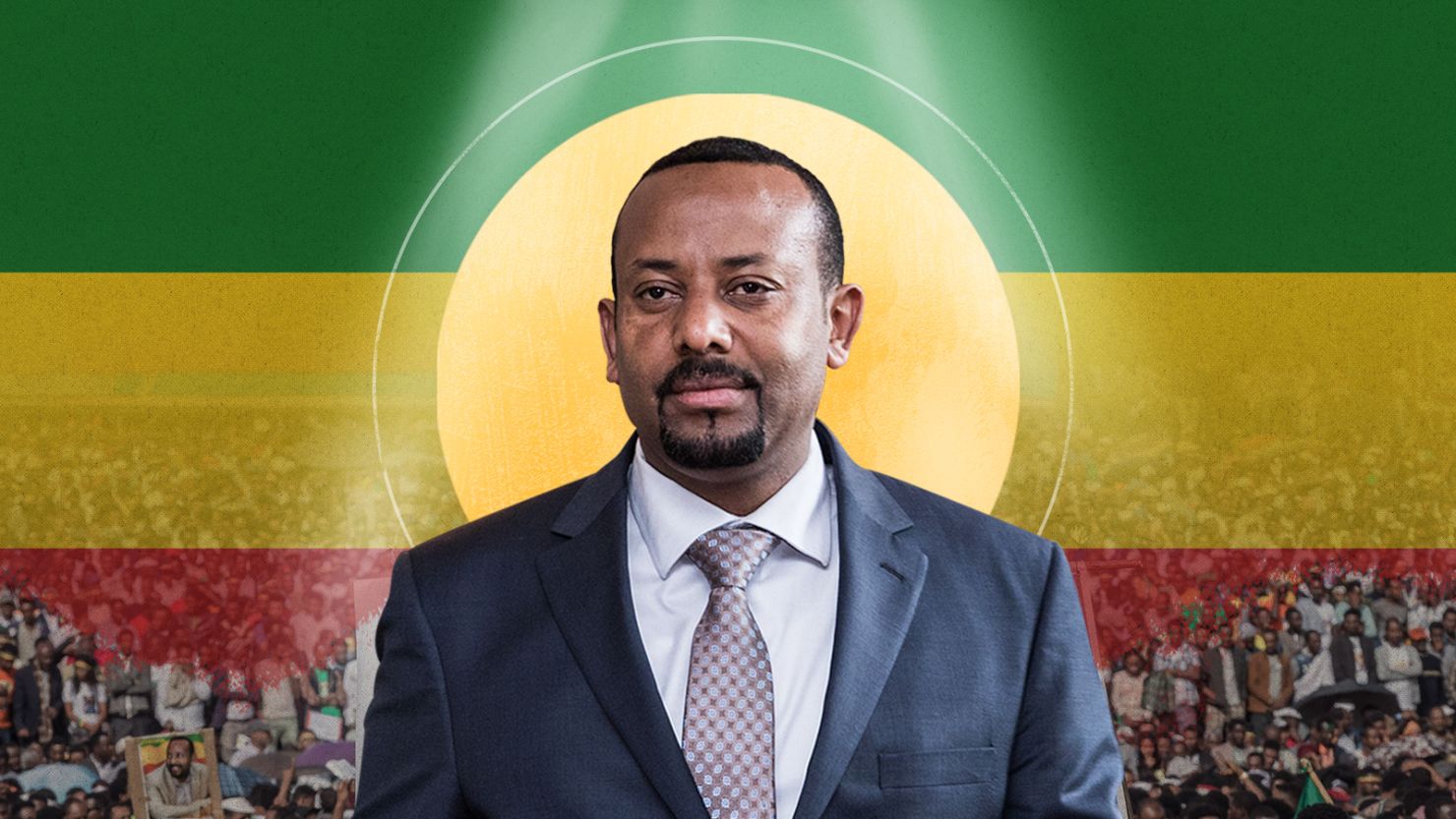
Addis Ababa | October 2025 — In what’s being hailed as a major turn in its economic trajectory, Ethiopia’s leadership claims that the country’s foreign-debt burden has plunged from about US $23 billion to ≈ US $4.5 billion over the past six years. Prime Minister Abiy Ahmed described this as moving into an era of “growth without foreign loans.”
But before you break out the confetti, here’s the story that the headlines don’t always tell.
What Ethiopia Is Getting Right
- The Foreign-Debt Drop: The figure of ~US$4.5 billion in external debt was quoted by the Prime Minister and reported by multiple outlets, pointing to what’s claimed as an 80% reduction.
- Reform Agenda: The so-called Home-grown Economic Reform Programme launched in 2019 is credited with strengthening domestic revenue, reducing dependence on commercial borrowing, and stabilising inflation — now reportedly ~11.7% (its lowest in years).
- Lower Debt Ratio: The external debt-to-GDP ratio fell to ~13.7% according to official figures, down from above 30% in earlier years.
⚠️ The Fine Print and Risks
- Restructuring, not full repayment: Even with the headline drop, Ethiopia officially defaulted on its only international Eurobond in late 2023 and is still negotiating under the G20 “Common Framework” for external debt treatment. (Reuters) So “drop” often means “restructured or written down,” not all paid in cash.
- Liquidity vs. solvency questions: Creditors argue Ethiopia has a liquidity problem (cash flow) rather than insolvency — meaning the debt stock might be lower, but the ability to pay remains constrained. (Financial Times)
- Economic stress remains for everyday people: Despite macro improvements, many households still face high food and rent costs. The benefits of reform haven’t yet fully reached many citizens. (Business Insider Africa)
- External issues still loom: The country’s foreign-exchange reserves remain weak, export base limited, and large infrastructure needs persist — meaning future borrowing might still be necessary. (The Reporter Ethiopia)
Why It Matters: For Ethiopia, for Africa
For Ethiopia, this is a chance to reset the narrative: Show that African economies can manage debt, reduce reliance on external borrowing, and build from domestic strength. But success will not be judged solely by a dropped number — it will be judged by whether jobs increase, prices fall, incomes rise, and vulnerability decreases.
For Africa, the message is mixed: On one hand it’s encouraging — domestic reform and strategic restructuring can shift debt dynamics. On the other, it’s a reminder that “debt reduction” doesn’t always mean “pain-free growth,” especially when reform must run alongside unresolved structural problems.
🗣 Voice of the People
To Ethiopia’s youth, to the working mothers, to those waiting for opportunity: yes, the foreign-debt figure sounded like progress — but you’re still asking: where’s your job, your stable food, your future? A country that says “we can grow without loans” is promising independence — but independence without economic justice isn’t full freedom.
So yes — raise a flag that debt has fallen. But don’t forget to ask: are people rising with it?