
Netumbo Nandi‑Ndaitwah: Namibia’s First Female President Takes Charge of the Strategic Mines & Energy Portfolio

|
Getting your Trinity Audio player ready...
|
A Rapid Shift at the Top
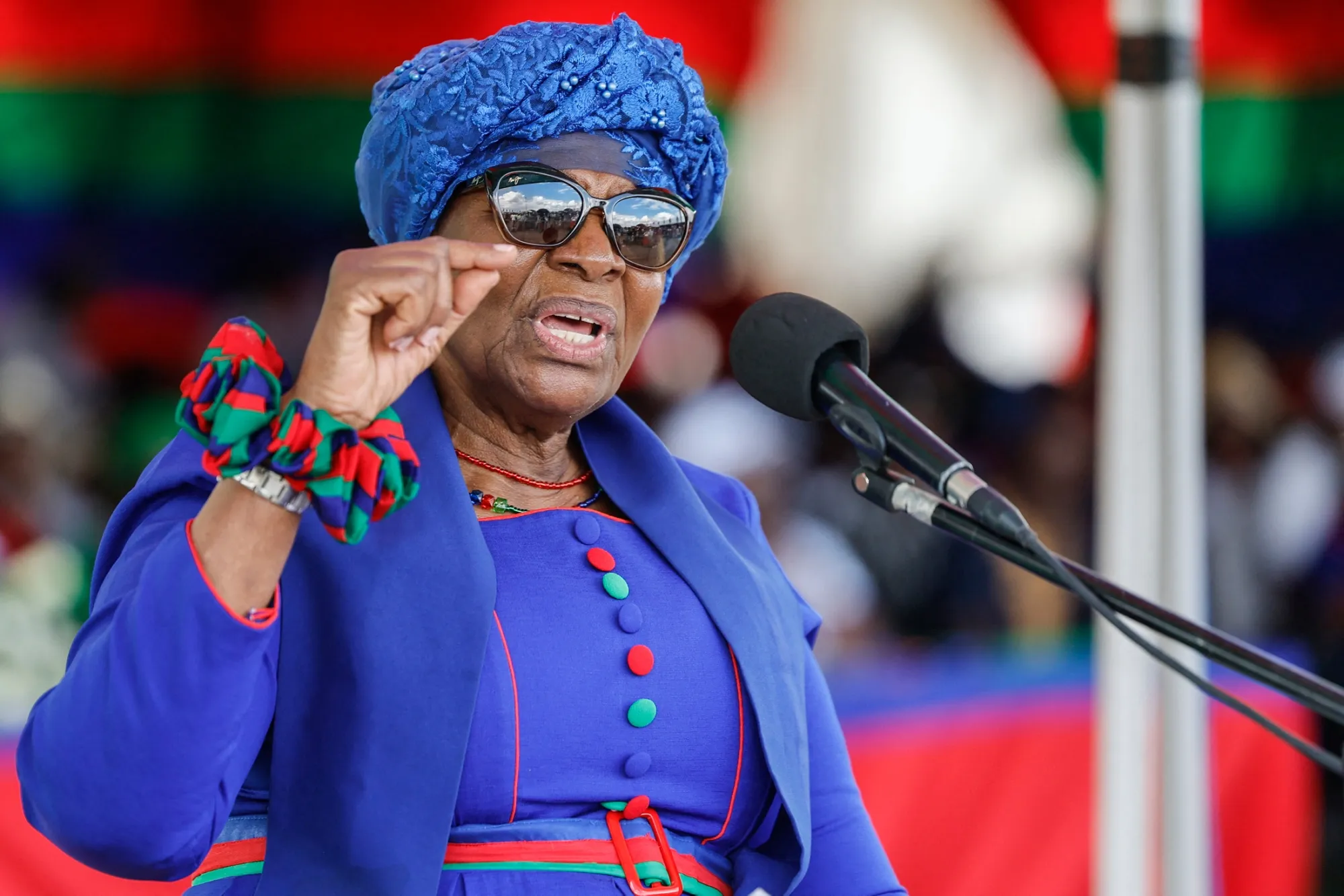
On 26 October 2025, Namibia’s presidency announced that Nandi-Ndaitwah would personally assume responsibility for the Ministry of Industry, Mines and Energy, effective immediately, replacing Natangwe Ithete, who was dismissed from his roles as Deputy Prime Minister and Minister of Industry, Mines and Energy.
The statement cited “the interest of ensuring continuity and effective coordination within this key sector.”
Nandi-Ndaitwah, who became Namibia’s first female president in March 2025, thus adopts direct oversight of a ministry that controls the country’s most strategic natural‐resource assets.
Why This Move Matters
1. Strategic resource command
The Ministry of Industry, Mines and Energy oversees Namibia’s diamonds, uranium, copper and its nascent oil & gas ambitions — all of which are critical to the country’s economic diversification and export future. By assuming direct control, the president sends a signal: the extractive sector is now a top‐priority part of the national agenda.
2. Political consolidation
Replacing the minister and taking over the portfolio personally may reflect internal shifts within the ruling party, the South West Africa People’s Organisation (SWAPO). As a veteran leader, Nandi-Ndaitwah’s move strengthens her leadership across both political and economic domains.
3. Implications for investment and reform
Investors in mining and energy will watch closely. A president directly in charge may bring streamlined decision-making, but also raises questions about transparency, checks and balances and how policy will be executed on the ground.
What We Can Read Between the Lines
-
The ministry change comes amid Namibia’s push to become a more visible player in global resources — especially offshore oil, green hydrogen and uranium.
-
Some observers suggest the move may be aimed at avoiding bureaucratic bottlenecks or inter-ministerial collisions that can slow major projects.
-
Yet, such centralisation also risks concentrating power and reducing institutional oversight, raising governance risks in a sector historically sensitive to corruption, environmental impact and community relations.
What It Means for the Youth and Economy
For younger Namibians and those looking for future opportunity:
-
Opportunity: If the ministry succeeds in boosting value-addition (rather than raw exports) there could be new jobs, training programmes and industrial growth.
-
Risk: If the move focuses purely on resource extraction without broad benefits, the youth unemployment challenge (which remains high) may persist.
-
Call to action: Civil society and youth groups should monitor how this shift translates into real benefits such as local beneficiation, environmental protection, labour rights and inclusive economic growth.
Looking Ahead
-
Will this lead to faster execution of major resource projects (oil, hydrogen, mining)?
-
How will the president balance this portfolio with the need for good governance, transparency and broader economic reform?
-
Will younger Namibians see tangible results such as apprenticeships, jobs, and increased domestic industrial capacity?
-
And importantly: what institutional mechanisms will ensure that decisions in the sector reflect national, not just elite, interests?