
Keeping Gender Equality at the Heart of Climate Action: UN Women’s Call for a Strong Gender Action Plan at COP30
By Maxine Ansah

|
Getting your Trinity Audio player ready...
|
As world leaders converge in Belém, Brazil, for the thirtieth United Nations Climate Change Conference (COP30), UN Women is sounding a clear call to action. The organisation is urging governments to adopt a transformative and accountable Gender Action Plan (GAP) that ensures gender equality remains central to global climate policy and implementation. The stakes could not be higher. The outcome of COP30 will shape the next decade of climate action and determine whether women’s rights and leadership continue to have a meaningful place in the global climate agenda.
Climate change is not a neutral phenomenon. Its impacts exacerbate existing inequalities and disproportionately affect women and marginalised communities. Across Africa and other vulnerable regions, women are often at the forefront of the climate crisis. They are more likely to face climate-related displacement, food insecurity and loss of livelihoods. For these reasons, UN Women insists that the adoption of a strong Gender Action Plan is not merely a symbolic act of inclusion but a strategic necessity for effective and sustainable climate action.
According to Sarah Hendriks, Director of Policy, Programme and Intergovernmental Division at UN Women, failure to adopt a robust Gender Action Plan would undermine decades of progress towards gender equality and human rights. It would also send a damaging signal that women’s leadership and experience are not valued in the fight against climate change.
The first Gender Action Plan, adopted in 2017, was a landmark step in integrating gender perspectives into the UN Framework Convention on Climate Change (UNFCCC) process. It helped ensure that issues of gender equality were considered across various areas, including mitigation, adaptation, climate finance, technology transfer and capacity-building. The plan also provided countries, institutions and civil society with a concrete framework to make gender-responsive climate action a tangible reality.
Now, as COP30 unfolds, UN Women is calling for a renewed and transformative Gender Action Plan that addresses the root causes of gender inequality and climate vulnerability. The organisation emphasises that this plan must be grounded in accountability, adequately funded and focused on protecting and promoting the rights of women and girls in all their diversity. Moreover, it must uphold human rights and safeguard civic spaces, recognising women environmental human rights defenders as vital actors in advancing climate justice.
The adoption of a strong Gender Action Plan at COP30 would mark a defining moment in reaffirming global commitment to gender equality and inclusive governance under the UNFCCC. It would demonstrate that gender equality is not a peripheral issue but a central pillar of effective, inclusive and just climate action.
In parallel with the negotiations, UN Women and the Kaschak Institute for Social Justice for Women and Girls have launched the Gender Equality and Climate Policy Scorecard. This innovative tool assesses how governments are integrating gender equality into their national climate policies. Based on an analysis of 32 Nationally Determined Contributions (NDCs) submitted under the Paris Agreement, the Scorecard evaluates progress and gaps across six key areas: economic security, unpaid care work, health, gender-based violence, participation and leadership, and gender mainstreaming.
Initial findings reveal a mixed picture. While most countries recognise women’s heightened vulnerability to climate impacts, fewer acknowledge their vital contributions to climate solutions. Ten countries across five regions demonstrate strong policy commitments across five or six dimensions of gender equality. Sixteen countries take a moderately comprehensive or limited approach, and six fail to commit to any gender-responsive action in their climate plans. Most existing commitments focus on women’s economic security, leaving issues such as women’s health, unpaid care work and gender-based violence comparatively neglected.
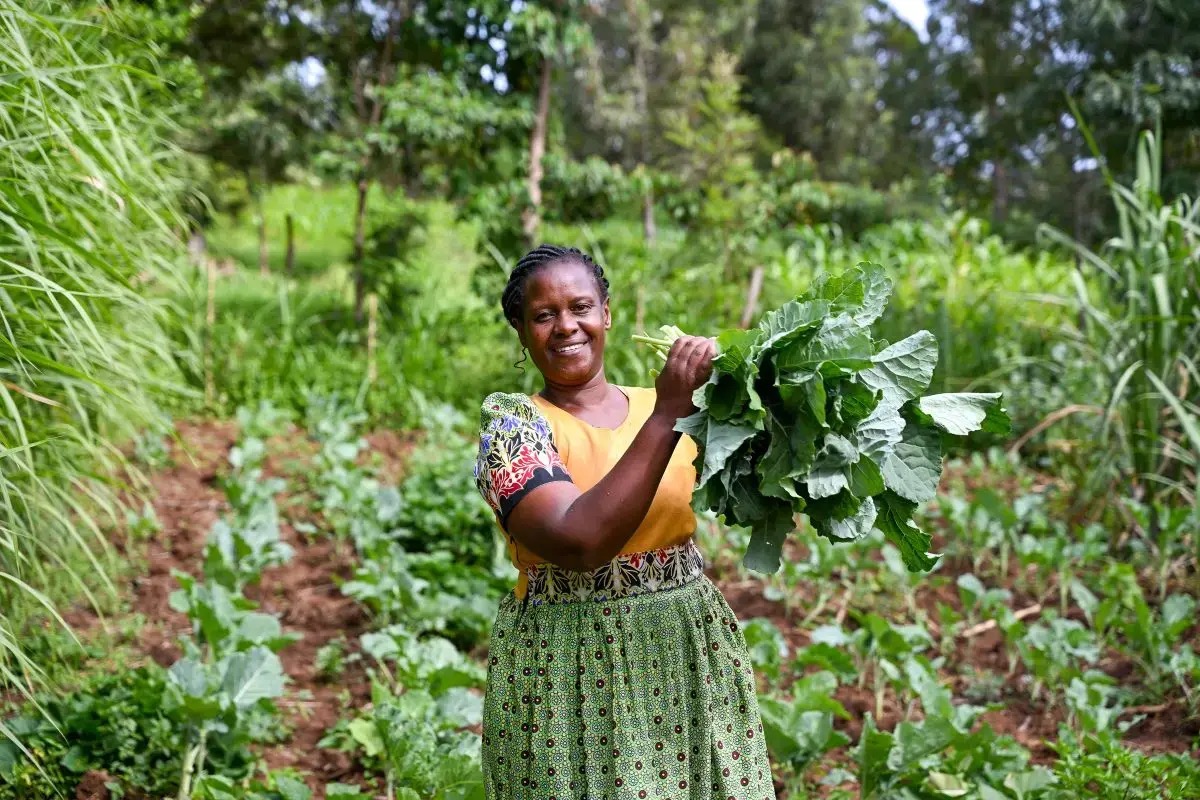
For Africa, the implications of this call to action are profound. The continent faces some of the most severe consequences of climate change, from prolonged droughts and erratic rainfall to floods and food crises. African women, especially those in rural communities, bear the brunt of these challenges. They are primary food producers and natural resource managers, yet they often lack access to land rights, finance and decision-making spaces. A strong and well-resourced Gender Action Plan could provide a framework to address these disparities, ensuring that African women are not only protected from the worst impacts of the climate crisis but also empowered as key agents of change.
As COP30 continues, the question remains whether global leaders will seize this opportunity to reaffirm gender equality as a core principle of climate governance. The adoption of a transformative Gender Action Plan would send a powerful message that the fight against climate change cannot be won without the full participation, leadership and rights of women and girls everywhere.