
Africa Hosts the G20 for the First Time — A Defining Moment for the Continent’s Global Influence

|
Getting your Trinity Audio player ready...
|
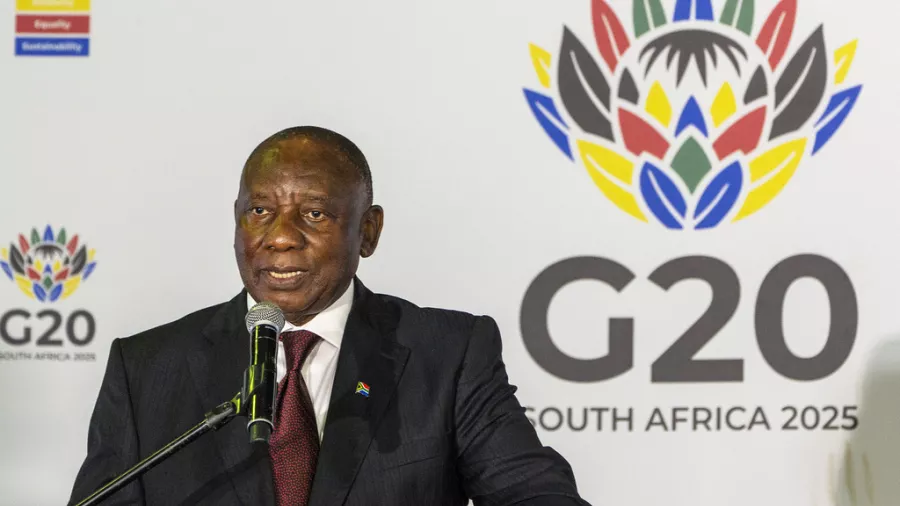
For the first time in history, Africa is not just attending the G20 — it is hosting it. Johannesburg has become the centre of global diplomacy, marking a shift from Africa as an observer to Africa as a force capable of shaping world policy. And beneath the headlines about diplomatic tensions and boycotts, one thing is clear: Africa is finally stepping into global leadership on its own terms.
The United States’ decision to boycott the summit — fuelled by Donald Trump’s long-standing rhetoric about South Africa — briefly dominated international chatter. His claims about land reform and attacks on Afrikaners resurfaced as justification, but South Africa refused to be distracted. President Cyril Ramaphosa brushed it aside with a simple message: “It is their loss.”
And he wasn’t wrong. Because for Africa, this summit was never about who didn’t show up — it was about proving the continent’s capability on the world stage.
With world leaders gathered under the theme “Solidarity, Equality, Sustainability,” South Africa used the summit to centre issues that have been ignored for decades: climate finance, debt relief, fairer trade rules and the reform of global financial systems. Ramaphosa reminded the world that Africa is not demanding favours — it is confronting structural barriers:
“Debt stress constrains growth, climate impacts hit us disproportionately, and global trade rules must be fairer. These are not abstract concerns, they affect millions of lives across our continent.”
Behind the policy debates lies a deeper geopolitical game. China openly backed Africa’s leadership, signalling a new era of diplomacy as global powers compete for influence on the continent. “We must listen to Africa,” said Foreign Minister Wang Yi — a stunning contrast to the U.S. boycott.
Africa now sits in the middle of a global tug-of-war, but for once, it has the leverage.
Hosting the summit also tested Johannesburg’s readiness. Power strains, water shortages and security concerns raised questions about capacity — but successfully hosting the G20 could transform South Africa’s reputation as a continental convening powerhouse.
This moment matters because the G20 has historically been dominated by decisions made about Africa, not with Africa. For decades, the continent has been framed as a development problem rather than a development partner. Johannesburg challenges that narrative head-on.
Africa is no longer waiting for a seat at the table — it built the table, hosted the meeting and set the agenda.
The world is now left with a question: will the commitments made — from climate financing to debt restructuring — finally materialise, or will they remain empty promises repeated every summit cycle?
What happens next will determine whether this G20 becomes a turning point or another missed opportunity.
But one thing is undeniable: Africa has proven it can lead. The continent showed it can negotiate, coordinate, host and shape global conversations — and that its voice is not just necessary, but influential.
The future of global policy will increasingly run through Africa, and Johannesburg has made that impossible to ignore.