

|
Getting your Trinity Audio player ready...
|
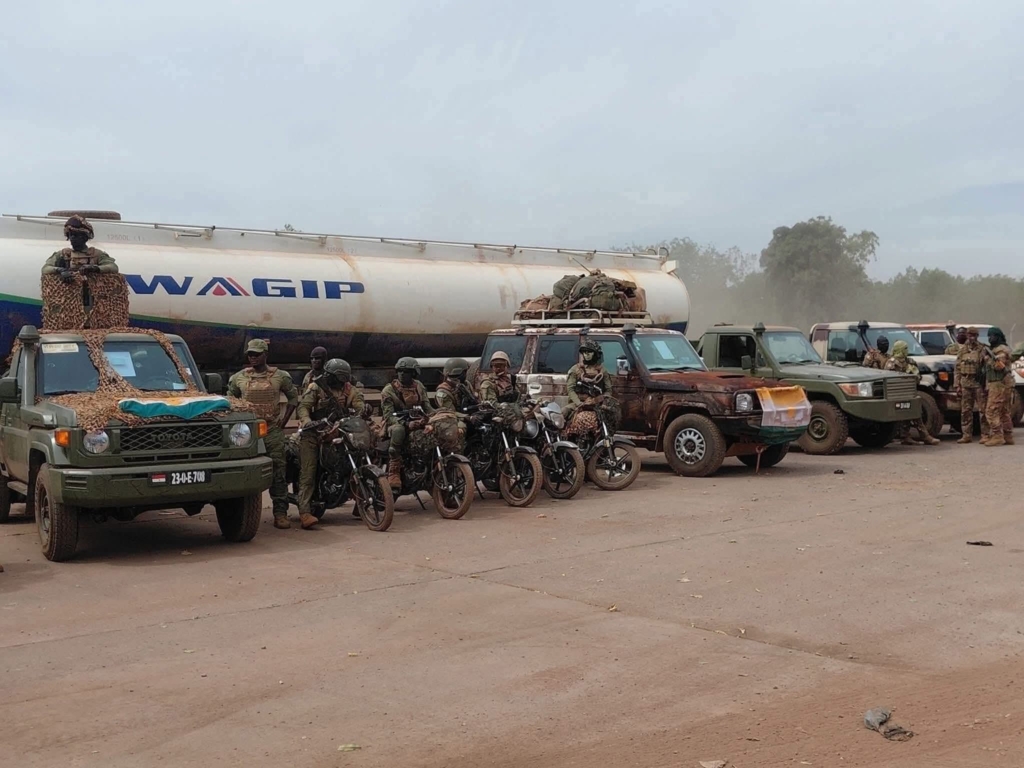
Mali is receiving critical support from within the Sahel as Niger delivered a convoy of eighty two fuel tankers to Bamako after a twenty one day journey across insecure territory. The delivery comes at a time when Mali faces one of its most severe fuel shortages in years, triggered by months of militant blockades and disrupted transport routes. For the region, it is a striking example of African countries stepping up for one another in moments of pressure.
The convoy’s arrival underscores the growing importance of African regional cooperation and leadership during a period where development, youth livelihoods and economic stability depend heavily on access to energy. With fuel scarcity slowing transport, small businesses and essential services, the Sahel’s ability to coordinate solutions has become a vital pillar for growth. The support demonstrates how African solidarity can strengthen resilience even in areas affected by insecurity.
The crisis began in early September when al Qaeda linked militants attacked multiple fuel convoys, paralysing movement and intensifying shortages in Mali’s capital. The continued pressure on the country’s military government raised concerns about economic stability, public confidence and the wider progress of development across the Sahel. The eighty two tanker convoy from Niger signals that regional partners are not waiting for external actors to stabilise their markets but are taking practical steps to address shared challenges.
Alongside Niger’s support, Russia has pledged to provide between one hundred sixty thousand and two hundred thousand metric tonnes of petroleum and agricultural products to Mali. Reports also confirm that Russia’s Africa Corps has been escorting fuel trucks to reduce the risk of hijackings. While international involvement continues to shape parts of the Sahel’s security landscape, the deeper story is how regional states are choosing partners that support their development priorities and their political autonomy.
Niger, Mali and Burkina Faso formed the Alliance of Sahel States last year to strengthen their cooperation in the face of jihadist insurgency and shifting global alliances. Their decision to coordinate fuel supply at this scale reveals how Africa’s emerging regional blocs are creating their own pathways for collective security, energy access and economic stability.
For Africa, this moment highlights a bigger truth. Young nations across the continent are increasingly designing their own solutions, forming new alliances and navigating global pressures with more confidence. While challenges remain, the Sahel’s response to this crisis shows how African leadership and interdependence can move the region closer to long term stability and development.
Africa’s future will be shaped by its ability to collaborate in moments like this, turning shared obstacles into opportunities for deeper regional strength and economic transformation.