


|
Getting your Trinity Audio player ready...
|
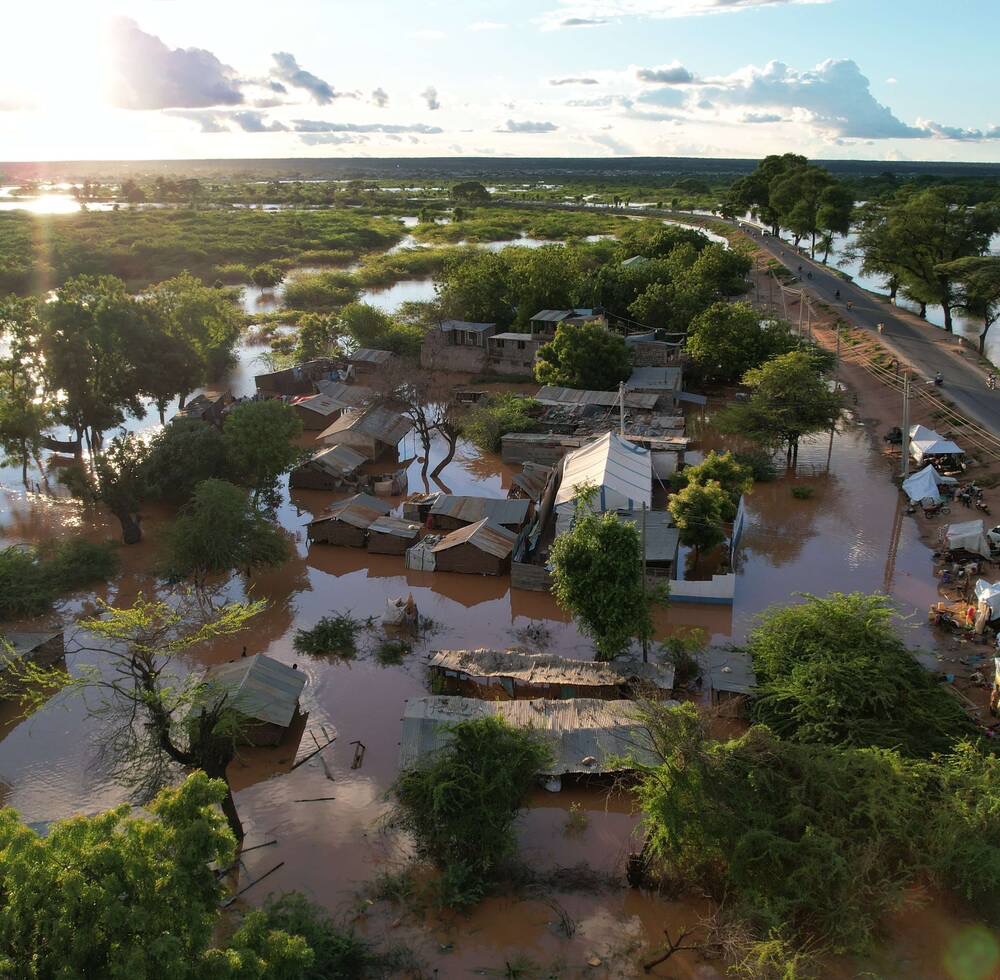
In Kenya’s fast-growing city of Nakuru, flooding has become an all too familiar disruption. Heavy rains routinely sweep through low-lying industrial zones, damaging machinery, halting production and sending ripple effects through the local economy. For manufacturers, the costs are immediate. For surrounding communities, the impacts are felt just as sharply.
Susan Njuguna has seen these disruptions play out repeatedly. As Regional Coordinator at the Kenya Association of Manufacturers, she works closely with businesses whose operations are interrupted when floodwaters rise. Nakuru, located in the Rift Valley, has emerged as a key economic hub, driven by manufacturing, agro-processing, construction and tourism. Yet its rapid growth has also increased pressure on land and infrastructure, leaving many factories exposed to water risks.
Seeking practical solutions, Susan began to rethink how the city manages water. That search led her to the Water as Leverage initiative, delivered by the Netherlands Enterprise Agency in partnership with UN-Habitat, Vitens Evides International and the Dutch Embassy. The programme promotes urban design approaches that treat water not as a hazard, but as a resource that can support inclusive and sustainable growth.
At the heart of the initiative are nature-based solutions. Rooftop gardens, lawns, green spaces and shaded areas are used to absorb and retain water, reducing surface runoff and easing pressure on drainage systems. For Susan, one of the most striking aspects was how closely the project engaged local voices. She recalls that residents and business owners were actively listened to, recognising that any lasting solution must reflect Nakuru’s specific environment and realities.
A demonstration at Nakuru’s Water and Sanitation Service Company brought the concept to life. The site showed how vegetation could cool industrial spaces while slowing water flow, preventing floods from overwhelming surrounding areas. The changes were modest, but the results were tangible.
The pilot sparked action among manufacturers. Members of the Kenya Association of Manufacturers began greening their own premises by planting trees and adding lawns. Seedlings were donated to nearby communities, and local labour was hired to carry out the planting. The approach reinforced the idea that flood management is a shared responsibility, with benefits that endure when everyone is involved.
Beyond flood control, the initiative is also reshaping how businesses view sustainability. Companies are exploring rainwater harvesting and wastewater treatment, with knock-on effects for livelihoods around Lake Nakuru. Fishing and tourism are beginning to benefit as environmental conditions improve, linking ecological care with economic opportunity.
For Susan, the shift in mindset is the project’s greatest achievement. By addressing flooding and water shortages through practical design, the initiative has shown that environmental challenges can be turned into drivers of resilience and growth.
From an African perspective, Nakuru’s experience reflects a wider reality. Many cities across the continent are young, expanding rapidly and grappling with climate pressures before infrastructure has fully matured. Yet the Nakuru story also offers hope. With locally grounded solutions, collective effort and long-term thinking, African cities can chart paths that protect both livelihoods and ecosystems while building economies fit for the future.
Nakuru flooding, Kenya climate adaptation, Water as Leverage Kenya, UN-Habitat urban resilience, nature based solutions Africa, Nakuru manufacturing sector, Kenya industrial flooding, Lake Nakuru livelihoods, sustainable cities Kenya, urban water management Africa, climate resilience Kenya, green infrastructure Nakuru, flooding and industry Kenya, Rift Valley urban growth, Kenya manufacturers sustainability, water management solutions Africa, inclusive urban development Kenya, urban flooding Africa, climate smart cities Kenya, Nakuru economic development, environmental sustainability Kenya, industrial resilience Africa, urban design Kenya, water and climate Africa, Kenyan cities climate risk, business sustainability Kenya, climate adaptation industry Africa, urban resilience Nakuru, water as resource Africa, sustainable manufacturing Kenya, climate change Kenya cities, green cities Africa, flood mitigation Kenya, water governance Kenya, urban growth Africa, climate solutions Africa, nature based urban design, Kenya development stories, African climate innovation, resilient cities Africa, sustainable growth Kenya, water management industry, climate resilience manufacturing, urban planning Kenya, Africa climate adaptation, local solutions Kenya, community led sustainability, water security Kenya, industrial water reuse, green economy Africa, urban ecosystems Kenya, African cities future, climate resilient infrastructure, water and economy Africa, Nakuru environment economy, sustainable livelihoods Lake Nakuru, Kenya urban transformation, African urban resilience, climate smart industry, environmental management Kenya, inclusive growth Africa, sustainable urbanisation Kenya, climate adaptation projects Africa, water innovation Kenya, African manufacturing resilience, green industrial zones, flood risk management Kenya, water sensitive urban design, Africa sustainable development.