

Mali and Burkina Faso Ban US Citizens in Retaliation to Trump Travel Restrictions

|
Getting your Trinity Audio player ready...
|
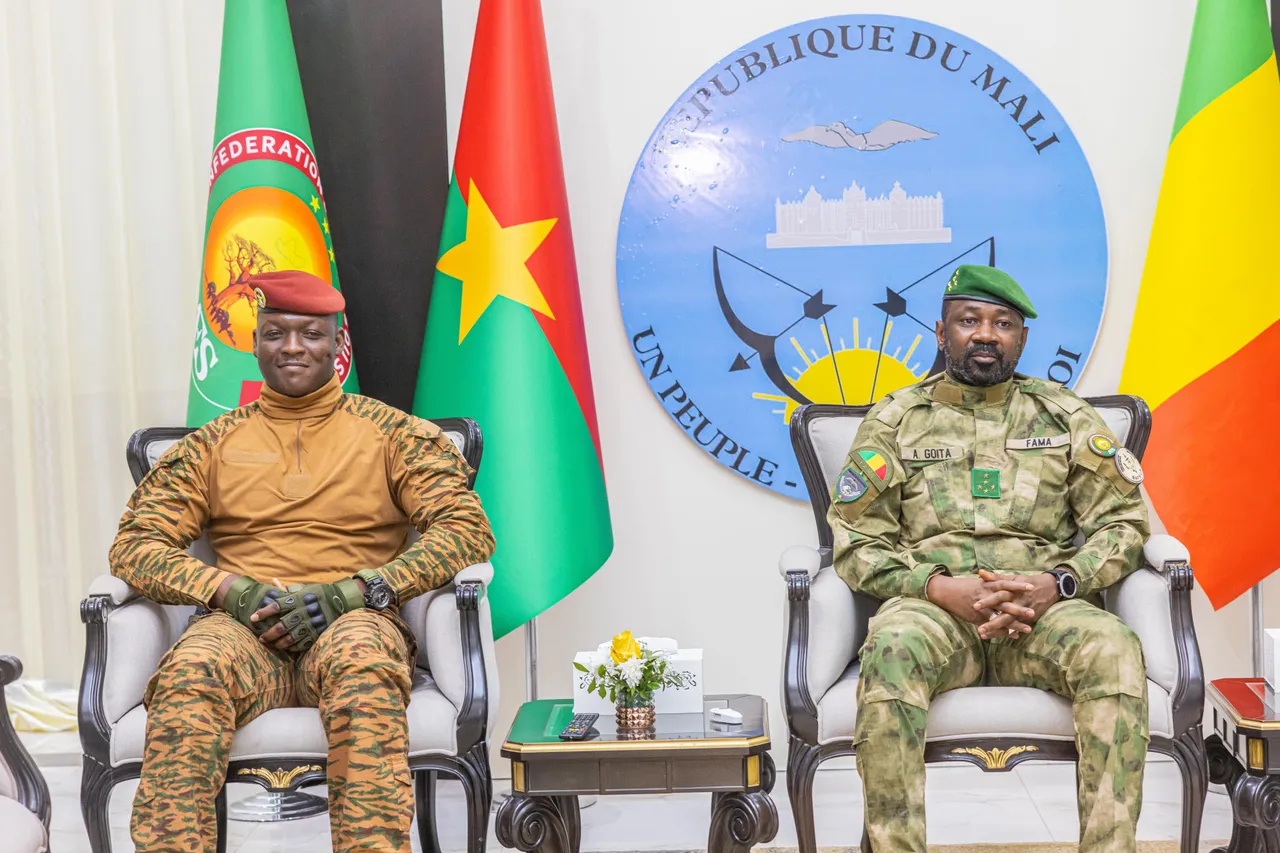
Mali and Burkina Faso have announced reciprocal travel bans on United States citizens, marking a sharp escalation in diplomatic tensions between Washington and a bloc of West African military-led governments.
The move comes days after the administration of Donald Trump placed both countries under full entry restrictions as part of an expanded US travel ban. In response, authorities in Bamako and Ouagadougou say they are acting on principle rather than provocation.
Burkina Faso’s foreign affairs minister, Karamoko Jean‑Marie Traoré, framed the decision as a matter of parity. “This is the principle of reciprocity,” he said, stressing that visa and entry policies must reflect mutual respect between sovereign states. Mali’s foreign ministry echoed that position, adding that the US decision was taken “without any prior consultation,” a move it described as inconsistent with diplomatic norms.
The bans mean US passport holders will no longer be permitted to enter Mali or Burkina Faso, except under limited exemptions that have yet to be fully clarified. The announcements follow reports that neighboring Niger has adopted a similar stance, though Niamey has not issued a formal statement.
A widening rift with Washington
The travel restrictions are the latest signal of deteriorating relations between the United States and a group of Sahelian states now governed by military juntas following coups over the past five years. Mali, Burkina Faso, and Niger have withdrawn from regional bodies they see as aligned with Western interests and have instead formed a new security and political alliance.
Their foreign policy pivot has been unmistakable. Once close partners of the US and European governments in counterterrorism operations, the three countries have increasingly aligned with Russia, both rhetorically and through security cooperation, as relations with Western powers frayed.
Earlier this month, the White House confirmed that full-entry bans would apply to citizens of Mali, Burkina Faso, Niger, South Sudan, Syria, and Palestinian Authority passport holders. Laos and Sierra Leone were upgraded from partial to full restrictions, while partial limits were introduced on nationals from 15 other countries, including Nigeria, Tanzania, and Zimbabwe.
According to US officials, the measures are intended to protect national security and will remain in place until affected governments demonstrate “credible improvements” in identity verification, information sharing, and cooperation with US immigration authorities. The administration has emphasized that lawful permanent residents, diplomats, certain visa holders, and athletes traveling for major sporting events will not be affected, and that waivers may be granted on a case‑by‑case basis.
Sovereignty as a political message
For Mali and Burkina Faso, the response appears as much symbolic as practical. By matching Washington’s restrictions, both governments are signaling resistance to what they see as unilateral pressure from the West and reinforcing a narrative of regained sovereignty that has become central to their domestic legitimacy.
Mali’s foreign ministry said its decision was rooted in “mutual respect and sovereign equality,” language that reflects a broader regional pushback against external influence. In Ouagadougou, officials have framed the ban as a reminder that diplomatic relationships cannot be one‑sided.
While the immediate impact on travel flows may be limited, analysts say the episode underscores a deeper realignment underway in the Sahel. What began as a security rupture has evolved into a broader geopolitical recalibration, with travel restrictions now joining sanctions, aid suspensions, and diplomatic withdrawals as tools of confrontation.
As the standoff hardens, the question is no longer only about visas or borders. It is about who sets the rules in a region redefining its place in the global order—and how far both sides are willing to go to assert that power.
Mali, Burkina Faso, United States, US travel ban, Trump travel ban, Africa US relations, West Africa politics, Sahel region, Mali junta, Burkina Faso junta, US immigration policy, reciprocal travel ban, Africa diplomacy, international relations, African geopolitics, US foreign policy, sovereignty, visa restrictions, global travel news, Africa news, BBC Africa, Trump administration, migration policy, border control, diplomatic tensions, African sovereignty, international law, West Africa bloc, military governments Africa, Niger, Sahel alliance, Africa sanctions, US Africa policy, global politics 2026