
Libyan Oil Production Hits Highest Level in Over a Decade as Output Reaches 1.43 Million bpd

|
Getting your Trinity Audio player ready...
|
TRIPOLI — Libya’s oil sector has reached a major milestone, with production climbing to its highest level in more than a decade, signaling renewed momentum in one of Africa’s most critical energy markets.
According to officials, national oil output has risen to approximately 1.43 million barrels per day, marking a significant recovery for a sector that has faced years of disruption due to political instability and infrastructure challenges.
Record Revenues Strengthen State Finances
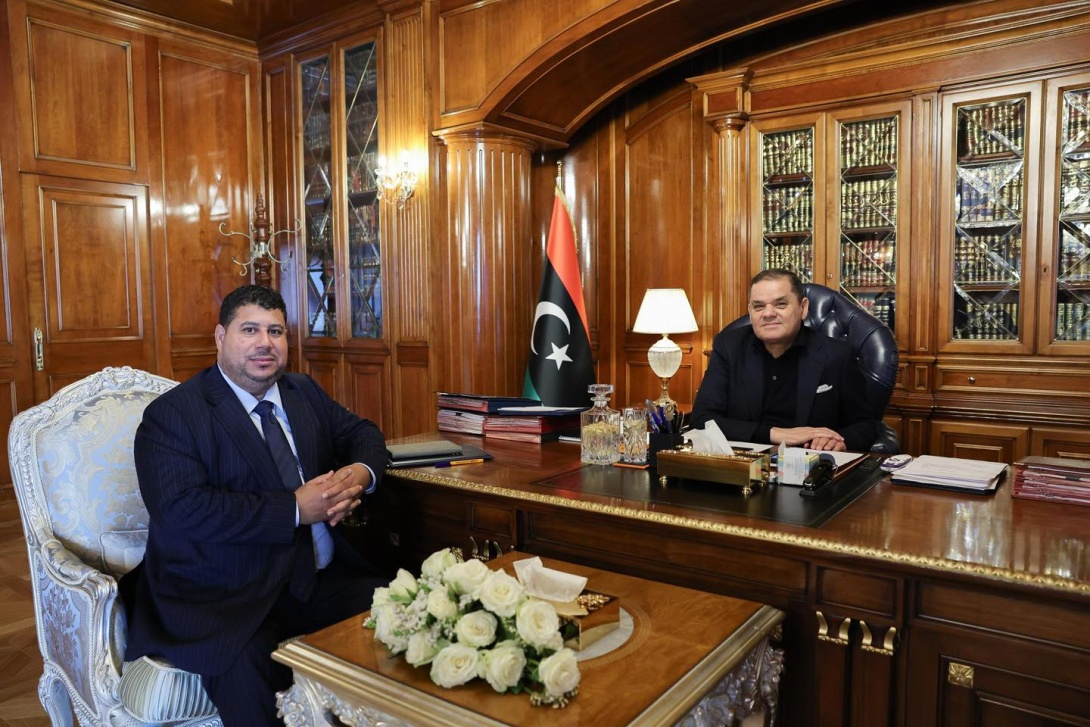
During a high-level meeting between Prime Minister Abdul Hamid Dbeibah and National Oil Corporation (NOC) Chairman Masoud Suleiman, authorities confirmed a key financial breakthrough.
For the first time in years, full oil revenues for February—exceeding $2 billion—were transferred directly to the state treasury without deductions, reflecting improved transparency and financial coordination within the sector.
This development is expected to strengthen Libya’s fiscal position and support broader economic stability.
Production Growth Driven by Stability and Infrastructure
Officials attributed the surge in production to improved operational conditions and successful maintenance efforts across key oil assets.
In particular, the restoration and continued operation of the Sharara oil field export pipeline has played a crucial role in sustaining output levels and ensuring consistent export flows.
However, authorities emphasized that maintaining current production levels will depend heavily on the stability of Libya’s national electricity grid, which remains a critical component of oil field operations.
Domestic Fuel Supply Remains Stable
Despite global energy market volatility, the NOC confirmed that fuel supplies within Libya remain stable, with sufficient availability across the domestic market.
This stability is particularly notable given ongoing disruptions in global energy supply chains and rising geopolitical tensions affecting oil trade routes.
Global Engagement and Investment Opportunities
Libya is also increasing its engagement on the global energy stage.
Participation in major international forums such as EGYPES and CERAWeek has opened new channels for cooperation with foreign partners, with early discussions focused on attracting investment and enhancing production capacity.
These efforts signal Libya’s intention to reposition itself as a key player in the global oil market.
Focus on Workforce Development
In a move aimed at strengthening the sector’s long-term sustainability, Prime Minister Dbeibah announced the launch of a new employment mechanism targeting graduates in oil-related fields.
The initiative is designed to align workforce development with industry needs, while leveraging national expertise to support continued growth in the energy sector.
A Turning Point for Libya’s Oil Industry
The latest production figures mark a significant turning point for Libya’s oil industry, which remains the backbone of the country’s economy.
If sustained, current output levels could enhance Libya’s role in global energy markets while providing the financial resources needed to support national recovery and development.
Libya oil production 2026, Libya oil output 1.43 million bpd, Libya oil sector recovery, National Oil Corporation Libya news, Libya oil revenue $2 billion, Africa oil production growth, Libya energy sector update, Libya oil exports 2026, Sharara oil field production, Libya oil pipeline maintenance, Libya crude oil output increase, Libya economy oil sector, Libya oil production highest decade, Libya oil industry growth, Libya fuel supply stability, Libya domestic fuel supply, Libya energy infrastructure, Libya oil sector investment, Libya participation EGYPES, Libya CERAWeek energy talks, Libya oil global markets, Libya oil recovery post conflict, Libya oil production surge, Libya energy exports Africa, Libya oil financial transparency, Libya state treasury oil revenue, Libya crude production Africa, Libya oil output statistics, Libya energy stability, Libya oil sector reforms, Libya oil workforce development, Libya oil jobs graduates, Libya economic recovery oil, Libya oil sector performance, Libya oil output increase 2026, Libya oil capacity growth, Libya energy policy Libya, Libya oil production record, Libya oil exports global, Libya oil sector modernization, Libya oil infrastructure development, Libya oil sector partnerships, Libya oil international cooperation, Libya oil market role, Libya oil production analysis, Libya oil sector future, Libya oil economy dependence, Libya oil supply chain, Libya oil export pipeline Sharara, Libya oil sector challenges, Libya electricity grid oil production, Libya oil production sustainability, Libya oil sector outlook, Libya oil investment opportunities, Libya oil exports stability, Libya oil economy Africa, Libya oil sector leadership, Libya oil production milestone, Libya oil revenue growth, Libya oil industry transformation, Libya oil market expansion, Libya oil export capacity, Libya oil production trend, Libya oil sector resilience, Libya oil production forecast, Libya oil global demand, Libya oil sector employment, Libya oil development strategy, Libya oil sector policy, Libya oil production news Africa, Libya oil industry update, Libya oil export strategy, Libya oil production recovery, Libya oil output record high, Libya oil financial system, Libya oil sector governance, Libya oil export markets, Libya oil economic impact, Libya oil sector innovation, Libya oil production Africa ranking, Libya oil industry leadership, Libya oil sector competitiveness, Libya oil global supply role, Libya oil export volumes, Libya oil production infrastructure, Libya oil sector planning, Libya oil growth Africa, Libya oil sector transformation