
The Voice of Africa Group and Yale Africa Innovation Symposium Lead The Great Debate on Foreign Influence in Africa

|
Getting your Trinity Audio player ready...
|
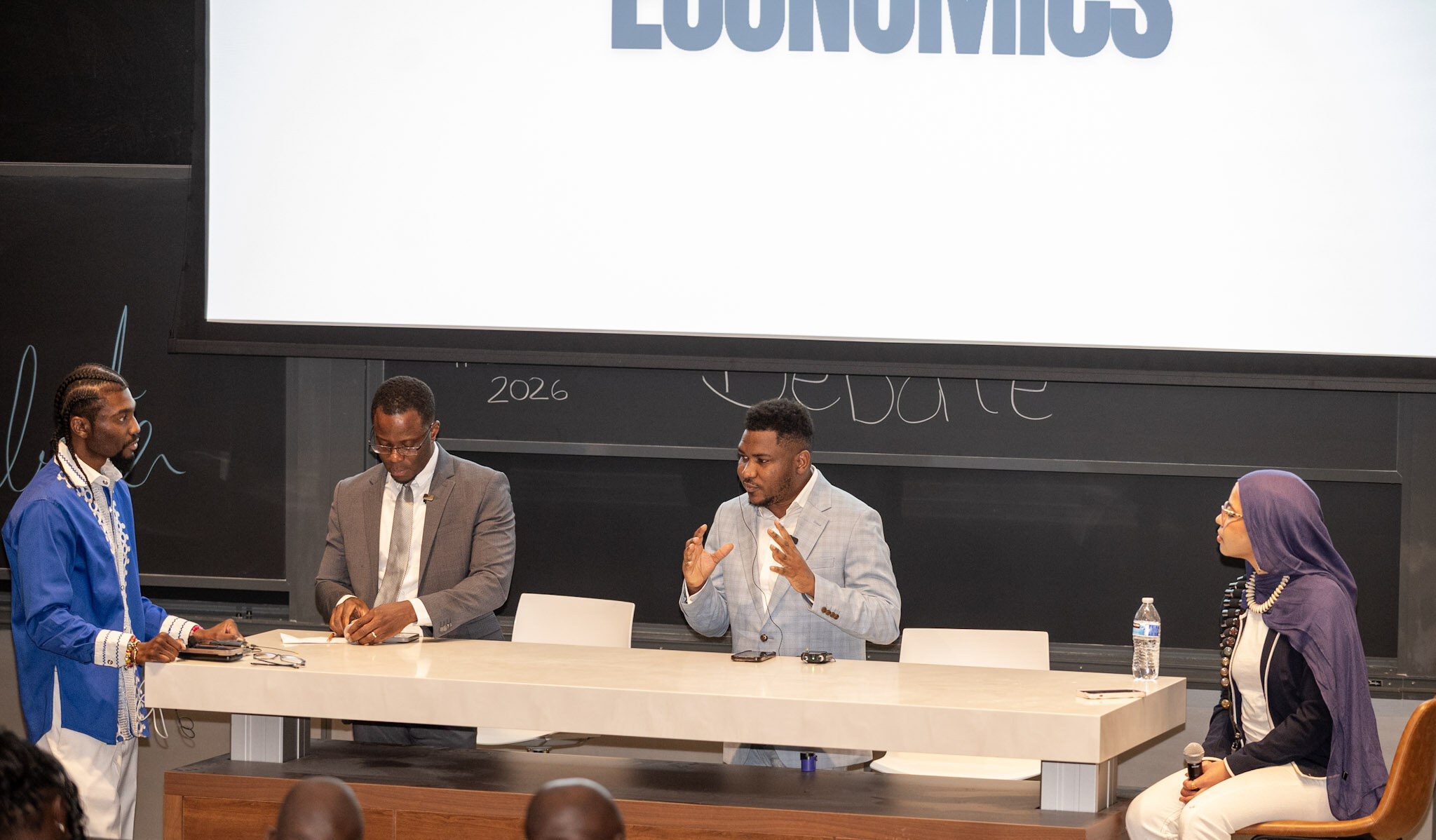
At the Yale Africa Innovation Symposium IV, one of the most anticipated sessions of the entire conference took center stage in a packed auditorium: The Great Debate.
Bringing together sharp perspectives, global context, and a highly engaged audience, the debate tackled a complex and often polarizing question:
Is foreign influence in Africa a driver of progress, or a barrier to true self-determination?
With Wantoe T. Wantoe arguing against foreign influence and Eben Pobee presenting the case for its role in advancing development, the session delivered a thoughtful and balanced exchange that elevated the conversation beyond simple narratives.
Moderated by Kadmiel Van Der Puije (The Voice of Africa Group) and Yasmin Madmoune, the discussion was structured, engaging, and focused on extracting clarity from complexity.
A Case for Self-Determination
Wantoe T. Wantoe’s position centered on the importance of African ownership in shaping the continent’s future.
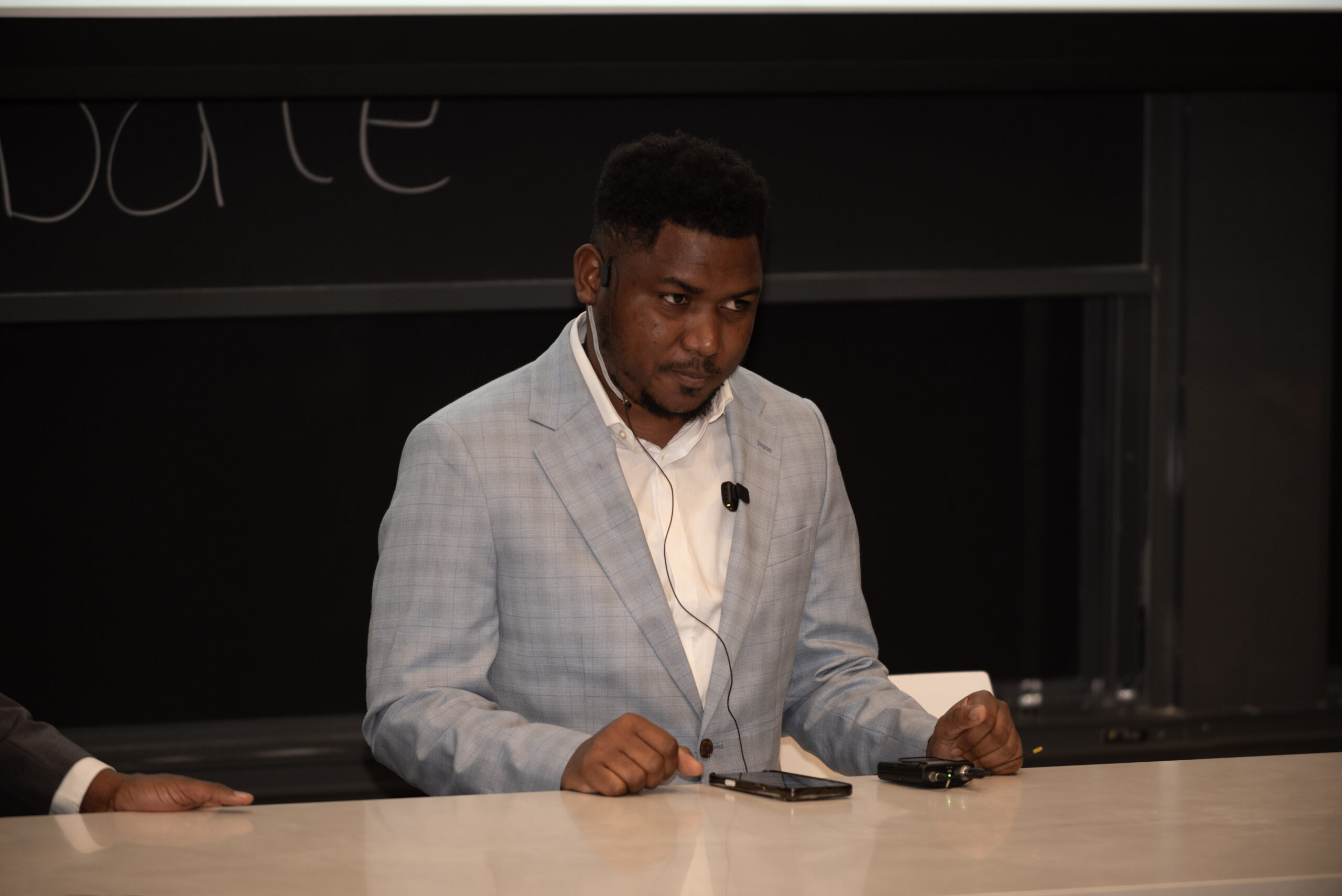
He emphasized that while global partnerships have played a role in Africa’s development, they have often come with structural imbalances that limit long-term independence. His argument focused on the need for Africa to move beyond externally driven models and prioritize systems that are locally controlled, contextually relevant, and designed for sustainability.
Rather than rejecting global engagement outright, his position called for a recalibration of power. He highlighted the importance of ensuring that Africa is not simply a participant in global systems, but a decision-maker within them.
His perspective resonated strongly around themes of sovereignty, institutional strength, and the need for Africa to define its own development trajectory.
A Case for Strategic Global Engagement
On the other side, Eben Pobee presented a compelling case for the role of foreign influence as a catalyst for growth and integration.
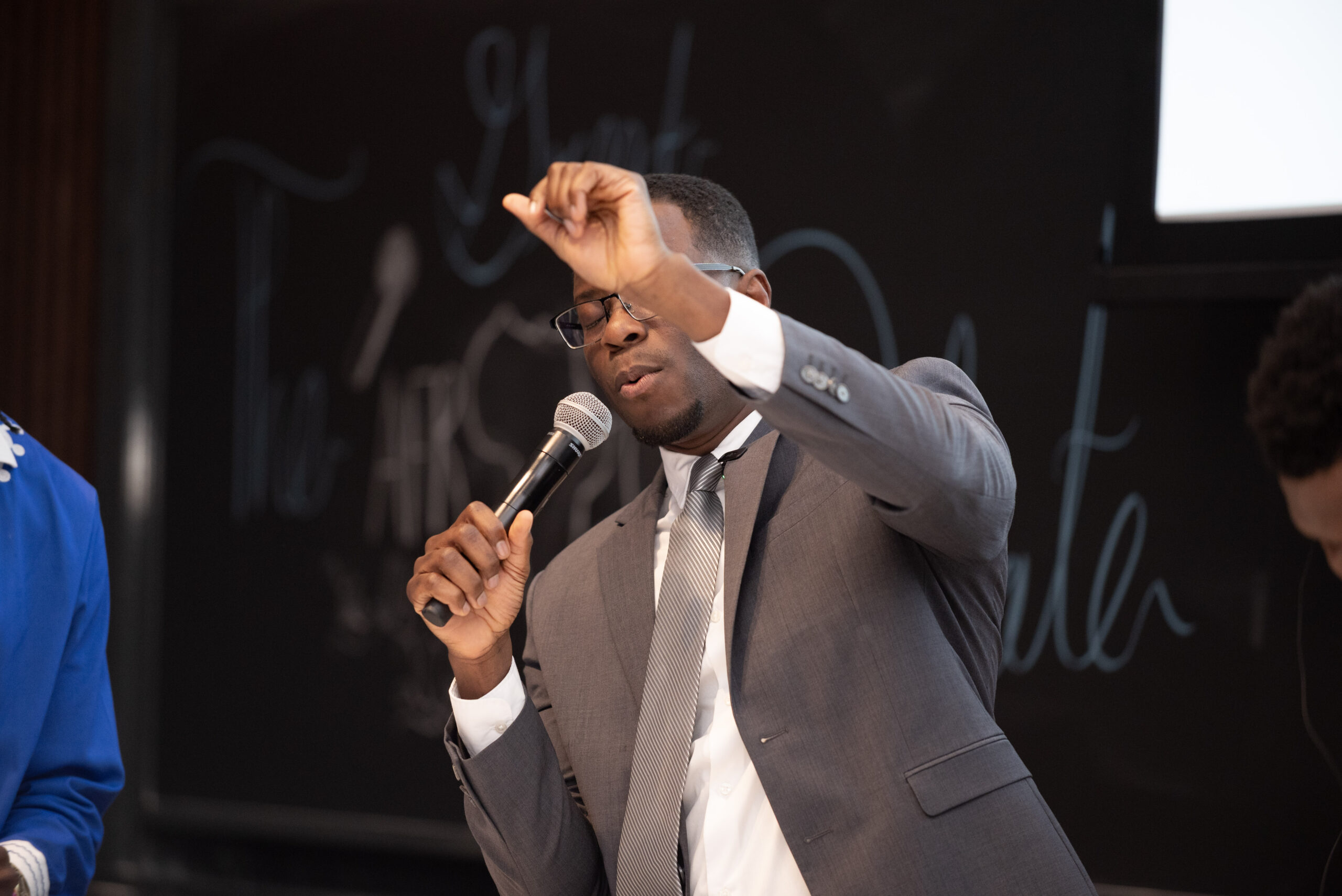
His argument acknowledged the realities of a globally interconnected world, emphasizing that Africa’s development cannot occur in isolation. He highlighted how international partnerships, investment flows, and cross-border collaboration have accelerated infrastructure development, expanded access to capital, and connected African markets to the global economy.
Eben’s position focused on strategy rather than dependency. He underscored that the key issue is not whether foreign influence exists, but how effectively African nations engage with it.
By advocating for stronger negotiation, policy alignment, and institutional capacity, he positioned foreign engagement as an opportunity—one that, when managed effectively, can drive long-term growth and innovation.
A Structured and Balanced Exchange
Under the moderation of Kadmiel Van Der Puije and Yasmin Madmoune, the debate maintained a strong balance between both perspectives.
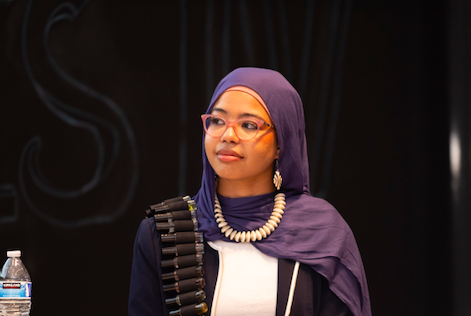
The moderators guided the conversation across key areas, including economic development, political sovereignty, cultural identity, and the role of youth and diaspora engagement.
Their approach ensured that both arguments were fully explored, while also challenging each side to move beyond surface-level positions and engage with the deeper realities shaping Africa’s global position.
Beyond a Binary Narrative

What made The Great Debate particularly impactful was its refusal to settle for a binary conclusion.
Rather than framing foreign influence as entirely positive or negative, the discussion highlighted the complexity of Africa’s position within global systems.
Both perspectives ultimately pointed toward a shared conclusion:
Africa’s future will be defined not simply by external forces, but by the strength of its own institutions, leadership, and strategic decision-making.
A Defining Moment at Yale Africa Innovation Symposium
The Great Debate stood out as a defining moment of the symposium, not because it provided definitive answers, but because it elevated the level of discourse.
It challenged participants to think critically, engage thoughtfully, and consider how Africa can position itself in a rapidly evolving global landscape.
What This Means Moving Forward
As Africa continues to navigate its role in the global economy, the conversation explored in this debate remains highly relevant.
The question is no longer whether foreign influence exists. It is how Africa chooses to engage with it.
Through stronger institutions, clearer strategy, and more intentional leadership, the continent has the opportunity to shape partnerships that align with its long-term interests.
The Voice of Africa Group, Yale Africa Innovation Symposium, YAIS IV debate, Great Debate Africa, foreign influence Africa, Africa development debate, Africa future strategy, African leadership debate, Africa global influence, African policy discussion, Africa innovation symposium Yale, African development strategy, Africa self determination, African sovereignty debate, Africa global partnerships, African economic development debate, Africa leadership systems, African institutional development, Africa growth strategy, African innovation leaders, Africa policy innovation, African global positioning, Africa development discourse, African future economy, Africa international relations, African economic independence, Africa foreign investment debate, African governance systems, Africa leadership dialogue, African strategy conference, Africa innovation conference Yale, African diaspora engagement, Africa global economy, African policy leadership, Africa strategic development, African thought leadership, Africa innovation ecosystem, African economic systems, Africa leadership forum, African global leadership, Africa future leadership, African development frameworks, Africa policy discussion 2026, African innovation debate, Africa global collaboration, African economic growth strategy, Africa leadership influence, African development challenges, Africa strategic partnerships, African leadership impact, Africa institutional strength, African economic discourse, Africa global narrative, African development leadership, Africa policy strategy, African innovation dialogue, Africa development conversation, African leadership perspectives, Africa global influence debate, African growth systems, Africa future economy strategy, African leadership conference Yale, Africa innovation leadership summit, African development conversation 2026, Africa leadership vision, African global partnerships strategy, Africa institutional growth, African policy frameworks, Africa development innovation, African strategic positioning, Africa leadership ecosystem, African global systems, Africa future dialogue, African development outlook, Africa innovation discussions, African leadership narrative, Africa economic transformation debate, African growth strategy 2026, Africa policy influence, African leadership execution, Africa global integration, African development priorities, Africa innovation leadership global, African strategy discussion, Africa economic future, African development agenda, Africa leadership next generation, African innovation perspective, Africa development systems debate