
China Expands Zero-Tariff Policy to 53 African Countries, Excluding Eswatini

|
Getting your Trinity Audio player ready...
|
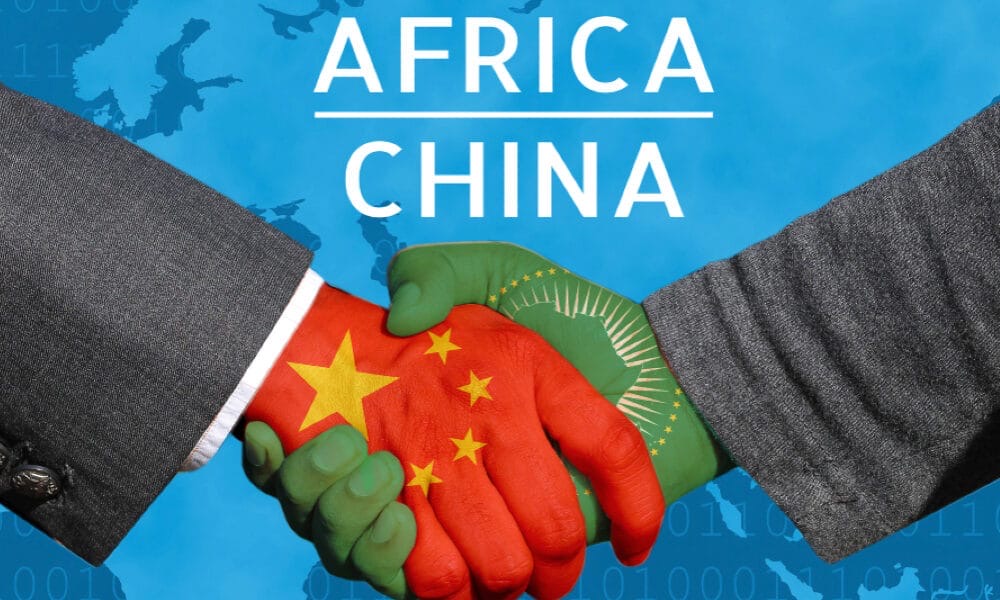
BEIJING — China has expanded its zero-tariff trade policy to cover 53 of Africa’s 54 countries, deepening its economic footprint across the continent while leaving Eswatini as the sole exception.
The latest expansion, which took effect on May 1, adds 20 additional African countries to Beijing’s duty-free access framework, marking one of the most comprehensive trade liberalisation moves between China and Africa in recent years.
A Continent-Wide Trade Strategy
Under the policy, eligible African exports can enter China tariff-free, significantly improving market access for goods ranging from agricultural products to raw materials.
The move reinforces China’s position as Africa’s largest trading partner and signals a continued push to strengthen economic ties through preferential trade arrangements.
With 53 countries now included, the policy effectively covers the entire continent—excluding only Eswatini.
Eswatini’s Diplomatic Exception
The exclusion of Eswatini is widely attributed to its diplomatic relationship with Taiwan, which China regards as a breakaway province.
Beijing’s adherence to its “One China” policy has long shaped its foreign relations, particularly in Africa, where most countries have shifted recognition from Taiwan to China over the past two decades.
Eswatini remains the only African nation to maintain formal ties with Taiwan, placing it outside China’s expanding trade framework.
Geopolitics Driving Trade Policy
Analysts say the decision highlights how trade and diplomacy are increasingly intertwined.
By extending tariff-free access to nearly all African nations while excluding Eswatini, China is signaling the economic advantages of aligning with Beijing’s geopolitical stance.
Recent diplomatic tensions have underscored this dynamic. A planned visit by Taiwan’s president, Lai Ching-te, to Eswatini faced logistical challenges after several African countries denied overflight access, reflecting the broader influence of China’s diplomatic reach.
Competition with the United States
The policy also comes amid intensifying strategic competition between China and the United States in Africa.
While China has moved toward expanded market access, the United States has in recent years taken a more protectionist approach in certain trade areas, including the imposition of tariffs on select African exports.
This divergence highlights competing models of engagement: China’s emphasis on trade integration versus Washington’s focus on regulatory and strategic controls.
Economic Impact and Trade Imbalance
Despite the expansion, a significant trade imbalance remains. Africa continues to import far more from China than it exports, with a gap estimated at over $100 billion.
However, duty-free access could provide African exporters with greater opportunities to scale exports, particularly in sectors such as agriculture, manufacturing, and natural resources.
Outlook
China’s zero-tariff expansion marks a significant step in reshaping Africa’s external trade relationships.
For most African nations, the policy offers enhanced access to one of the world’s largest markets. For Eswatini, however, it underscores the economic cost of diplomatic alignment in an increasingly competitive global landscape.
China Africa trade, China zero tariff Africa, Africa exports China, China trade policy Africa 2026, Eswatini China exclusion, China Taiwan Africa relations, Africa China economic ties, China Africa partnership, zero tariff exports Africa China, China Africa diplomacy, Africa trade access China, China Africa market access, Africa China trade imbalance, China Africa imports exports, China Africa economic influence, Africa China relations 2026, China Africa trade expansion, Africa exports duty free China, China Africa global strategy, Africa China economic cooperation, China Africa investment trade, Africa China trade growth, China Africa policy impact, Africa China export opportunities, China Africa agriculture exports, Africa China manufacturing trade, China Africa supply chain, Africa China economic development, China Africa trade framework, Africa China bilateral trade, China Africa commercial ties, Africa China strategic relations, China Africa tariff elimination, Africa China trade policy, China Africa global competition, Africa China economic integration, China Africa trade agreement, Africa China trade benefits, China Africa diplomatic strategy, Africa China export markets, China Africa trade dominance, Africa China trade corridors, China Africa infrastructure trade, Africa China business relations, China Africa economic expansion, Africa China partnership growth, China Africa economic strategy, Africa China trade influence, China Africa investment flows, Africa China trade cooperation, China Africa trade volume, Africa China economic outlook, China Africa global influence, Africa China trade network, China Africa economic model, Africa China trade access policy, China Africa development strategy, Africa China economic partnership, China Africa trade routes, Africa China trade ecosystem, China Africa policy expansion, Africa China trade framework, China Africa trade liberalization, Africa China export strategy, China Africa economic engagement, Africa China trade analysis, China Africa trade trends, Africa China trade future, China Africa diplomatic relations, Africa China market expansion, China Africa trade system, Africa China economic policy, China Africa trade platform, Africa China trade relations growth, China Africa economic link, Africa China trade advantage, China Africa global trade, Africa China trade partnership, China Africa export growth, Africa China economic ties strengthening, China Africa trade influence 2026, Africa China commercial strategy, China Africa trade benefits analysis, Africa China policy impact trade, China Africa economic footprint, Africa China trade ecosystem growth, China Africa international trade, Africa China economic shift, China Africa trade relations analysis, Africa China trade policy impact, China Africa trade cooperation 2026