
Tinubu secures APC nomination, sets stage for Nigeria’s 2027 presidential race

|
Getting your Trinity Audio player ready...
|
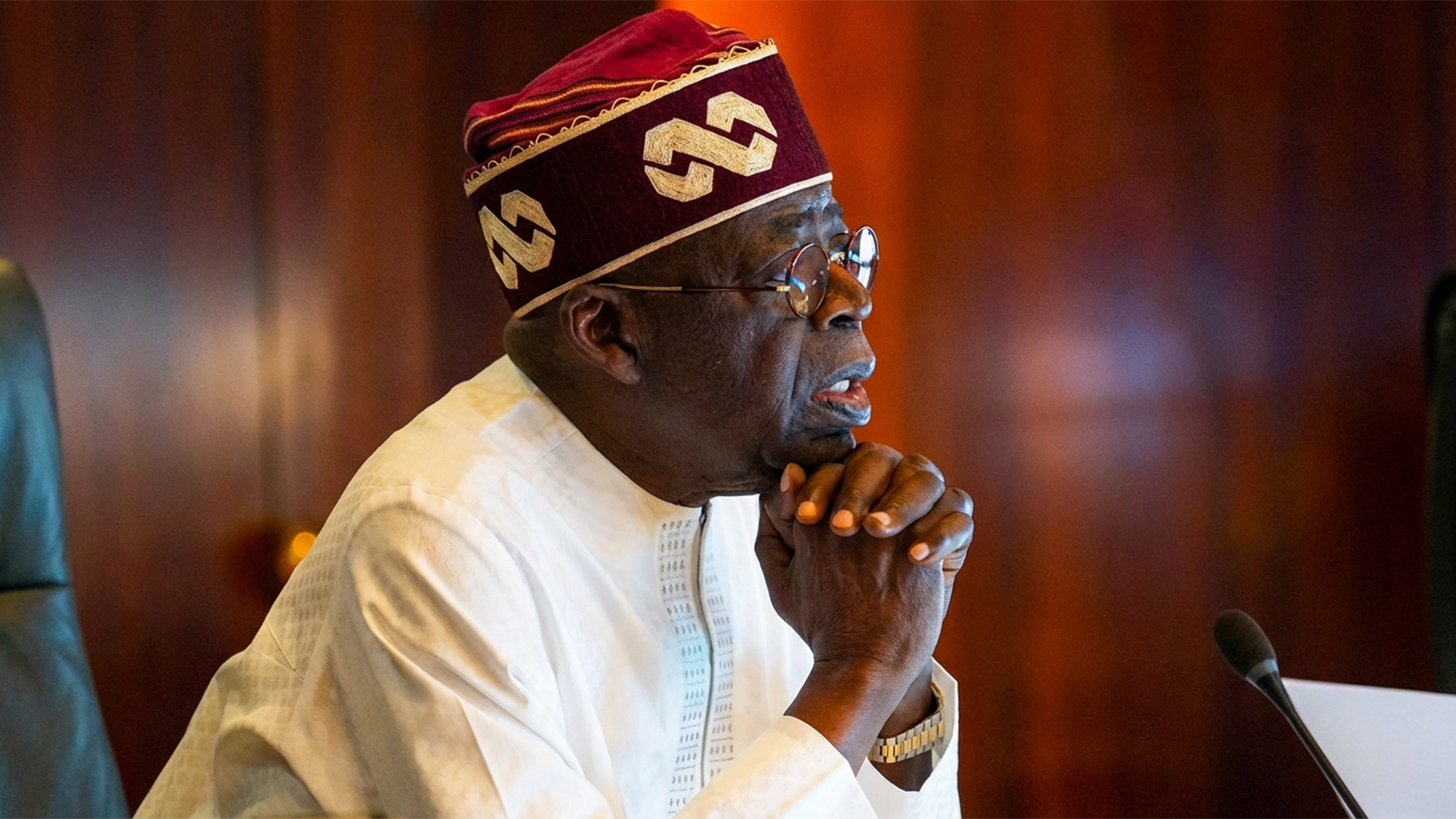
Bola Ahmed Tinubu has secured the presidential nomination of the All Progressives Congress, positioning himself as the party’s candidate for Nigeria’s 2027 election. The move follows a landslide victory in the party primaries, reinforcing Tinubu’s control within the ruling political structure.
A largely symbolic primary contest
Tinubu faced only one challenger, businessman Stanley Osifo, in a contest widely viewed as procedural rather than competitive. The APC described the process as evidence of internal democracy, although the outcome had been largely anticipated given Tinubu’s incumbency and influence within the party.
Strong political footing across Nigeria
The APC enters the 2027 race with a significant political advantage, currently controlling 31 of Nigeria’s 36 states, up from 21 in 2023. This expansion has been driven in part by defections from opposition parties, consolidating Tinubu’s position as the frontrunner ahead of the general election.
Economic reforms define first term
Since taking office in 2023, Tinubu has implemented a series of economic reforms aimed at stabilizing Nigeria’s economy and attracting international investment. These measures have been closely watched by global markets and institutions seeking signs of long-term economic direction in Africa’s largest economy.
Rising economic pressure on citizens
Despite reform efforts, many Nigerians continue to face economic hardship. Inflation surged to around 30 percent in 2024 and remained elevated at approximately 15 percent in early 2026. Fuel prices have risen sharply over the past four years, and about 60 percent of the population is estimated to be living in poverty, according to the World Bank.
Opposition prepares for challenge
Nigeria’s opposition parties are expected to hold their own primaries in the coming days as they prepare candidates to challenge Tinubu in the January 2027 election. However, internal divisions and weakened political structures could make it difficult to mount a unified and effective opposition campaign.
A high-stakes election ahead
The 2027 election is shaping up to be a critical test of Tinubu’s reforms and political strategy. While he remains the favorite, voter sentiment around economic conditions could play a decisive role in determining the outcome.
A continent navigating reform and reality
Nigeria’s political trajectory reflects a broader African dynamic where reform ambitions often collide with immediate economic realities. As one of the continent’s largest and most influential economies, Nigeria’s direction carries weight beyond its borders. While current challenges are significant, Africa’s long-term outlook remains shaped by resilience, demographic strength, and evolving governance systems. The continent’s future is still unfolding, driven by leaders, institutions, and a new generation determined to redefine growth and opportunity.