
Nigeria Reintegrates Nearly 10,000 Former Boko Haram Fighters in Push for Lasting Peace

|
Getting your Trinity Audio player ready...
|
Nigeria has announced a significant milestone in its efforts to end more than a decade of insurgency in the country’s northeast, revealing that nearly 10,000 former Boko Haram fighters have now been rehabilitated and reintegrated into society.
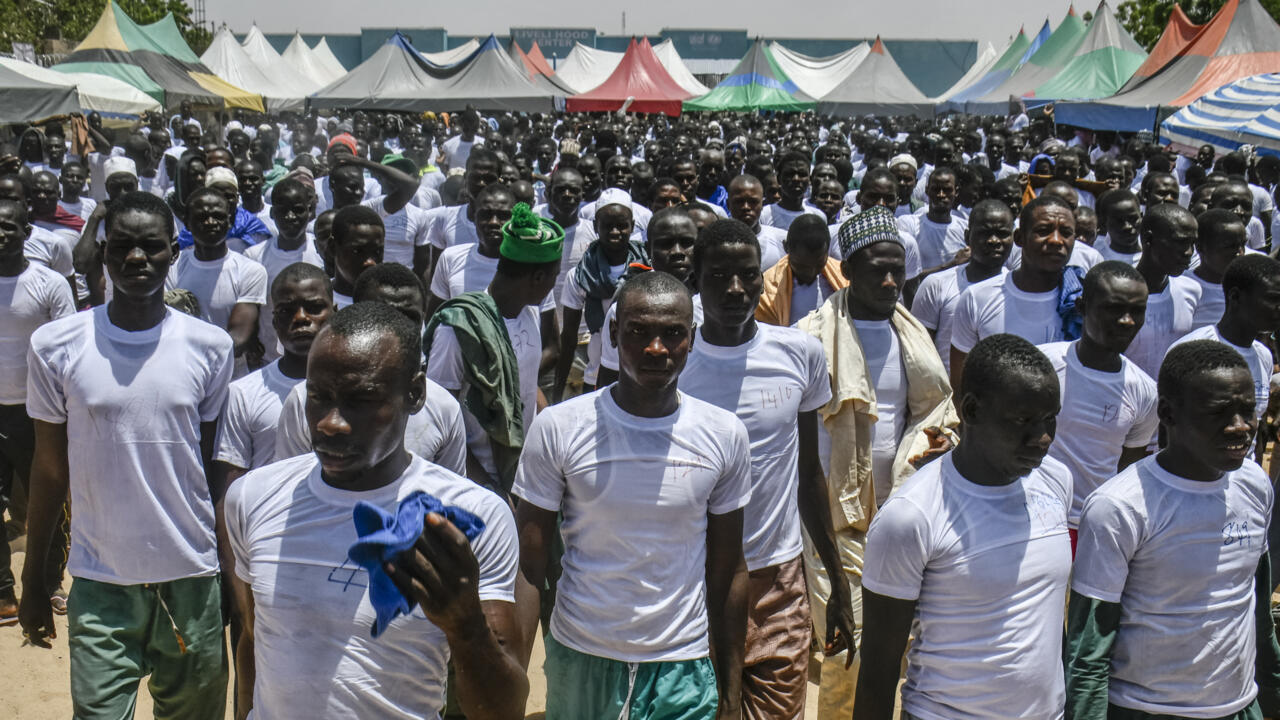
The latest development comes after 720 former militants completed a government-backed rehabilitation programme in Maiduguri, the capital of Borno State. Officials say the graduates represent the newest group to transition from armed conflict back into civilian life.
A New Chapter for Former Fighters
According to authorities in Borno State, the recent graduation ceremony brings the total number of former insurgents successfully reintegrated into communities across the region to 9,680.
The initiative forms part of a broader deradicalisation strategy designed to encourage fighters to abandon extremist groups and embrace peaceful civilian lives.
Participants undergo rehabilitation programmes that include counseling, education, vocational training, and civic orientation before returning to their communities.
Tackling Insurgency Beyond the Battlefield
While military operations have weakened Boko Haram and related extremist factions in recent years, Nigerian authorities believe long-term peace requires more than security operations alone.
Officials argue that rehabilitation programmes help reduce recruitment into armed groups while providing former fighters with alternatives to violence.
The strategy aims to address both security concerns and the social challenges created by years of conflict in northeastern Nigeria.
A Conflict That Changed Millions of Lives
Boko Haram’s insurgency has remained one of Africa’s deadliest security crises.
Since the conflict began more than a decade ago, tens of thousands of people have lost their lives, while millions have been displaced from their homes across Nigeria and neighboring countries within the Lake Chad Basin.
Although government forces have regained control of many areas previously occupied by insurgents, attacks by armed factions continue to pose security challenges in parts of the region.
Communities Face the Challenge of Reintegration
The return of former fighters presents both opportunities and concerns for affected communities.
Supporters of the programme argue that successful reintegration can help rebuild fractured communities, reduce violence, and promote reconciliation.
However, some local residents remain cautious, emphasizing the importance of accountability, monitoring, and support systems to ensure long-term success.
Authorities say community engagement remains a key component of the reintegration process.
Building Peace Beyond Conflict
As Nigeria continues its fight against insurgency, officials view rehabilitation and reintegration efforts as an essential pillar of lasting peace. By helping former fighters transition away from violence and back into society, the programme seeks to create conditions for greater stability, recovery, and development across the northeast.
For many communities that have endured years of conflict, the initiative represents both a test and a hope—that sustainable peace can be built not only through military victories, but through reconciliation and reintegration.