
Egyptian Pound Becomes World’s Best-Performing Currency as Oil Prices Fall and Investor Confidence Returns

|
Getting your Trinity Audio player ready...
|
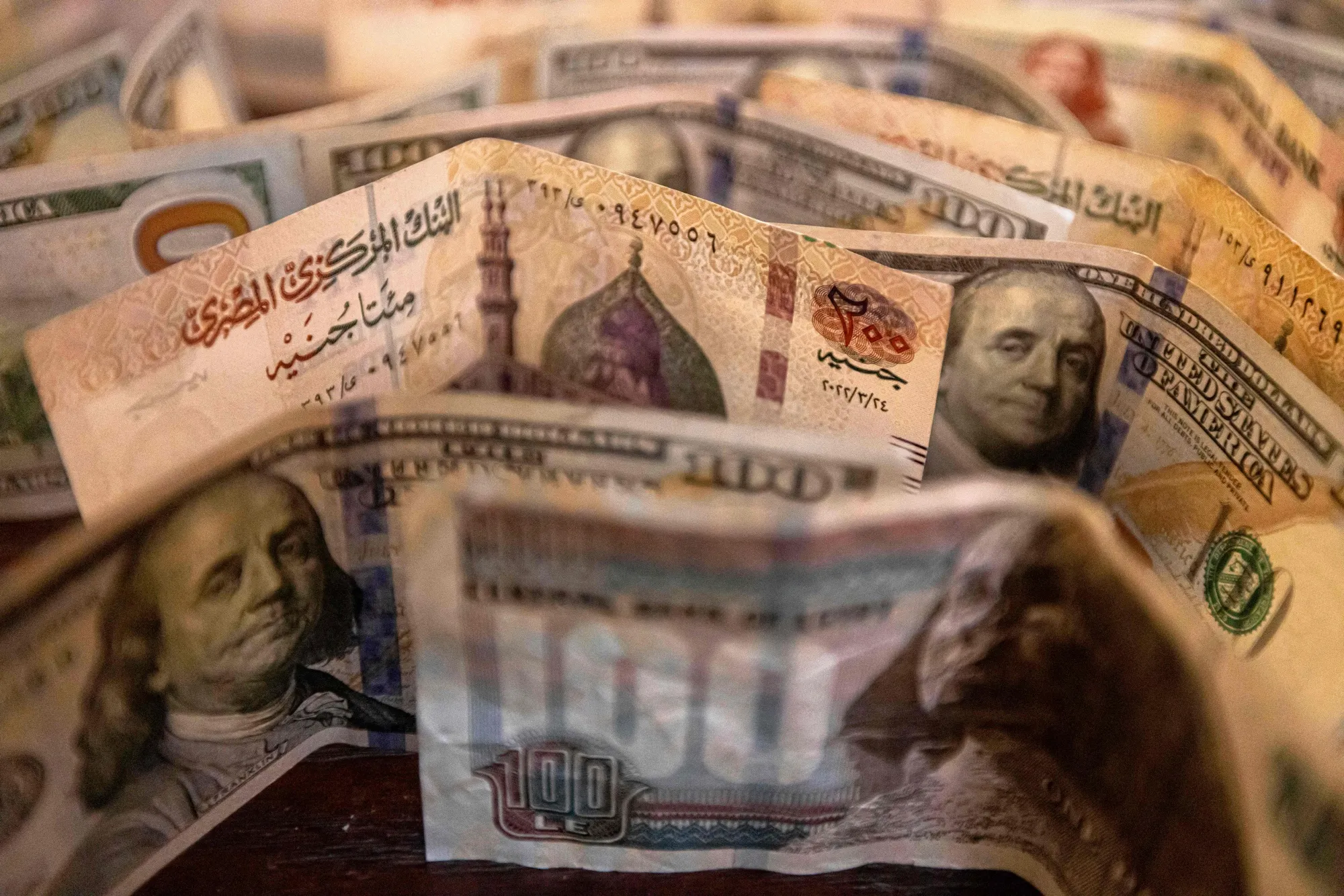
The Egyptian pound has emerged as the world’s best-performing currency in recent weeks, delivering a sharp turnaround that reflects improving investor sentiment and easing pressure on one of Africa’s largest economies.
According to recent market data, the pound has appreciated by more than 7% against the U.S. dollar since early May, making it the strongest-performing currency globally during that period. The rally has pushed the currency above the 50-pound-per-dollar mark for the first time since March, highlighting renewed confidence in Egypt’s economic outlook.
The currency’s recovery follows months of volatility driven by inflation concerns, energy price pressures, and broader uncertainty in global financial markets.
Falling Oil Prices Provide Relief
A major factor behind the pound’s resurgence has been the sharp decline in global oil prices.
The drop followed a diplomatic agreement between the United States and Iran that led to the reopening of the Strait of Hormuz, one of the world’s most important oil shipping routes. The agreement helped calm concerns about global energy supplies and contributed to lower crude oil prices.
For Egypt, which relies heavily on energy imports, lower oil prices offer significant economic benefits. Reduced fuel costs ease pressure on government finances, lower import expenses, and help moderate inflationary pressures that have weighed on consumers and businesses.
Investors Return to Egyptian Assets
Improving economic conditions have encouraged investors to return to Egyptian financial markets.
Market analysts note that Egypt was among the countries most affected by concerns over rising energy prices earlier in the year. As those concerns eased, investors began rebuilding positions in Egyptian assets, contributing to stronger demand for the local currency.
The improved sentiment has strengthened expectations that the pound could continue recovering toward levels seen before the recent period of market uncertainty.
Egypt’s Bond Market Benefits
The currency rally has been accompanied by gains in Egypt’s debt markets.
Dollar-denominated Egyptian bonds have recorded strong performance since the U.S.-Iran agreement, placing them among the best-performing emerging-market debt instruments during the period.
At the same time, analysts have expressed growing confidence in Egypt’s local-currency bond market, arguing that lower energy costs reduce fiscal pressure and improve the country’s broader economic outlook.
The positive performance reflects increased investor willingness to take exposure to Egyptian assets amid expectations of greater macroeconomic stability.
Record Foreign Reserves Strengthen Confidence
Egypt’s improving financial position has also supported confidence in the pound.
The country’s net foreign assets recently climbed to a record level, driven by fresh investments from Gulf nations, ongoing economic reforms, and rising remittances from Egyptians living abroad.
Strong foreign currency reserves provide a critical buffer against external shocks and help the country meet import obligations and debt repayments.
Economists argue that the growth in reserves has strengthened Egypt’s ability to navigate global market volatility while supporting currency stability.
IMF Reforms Continue to Shape Recovery
Egypt’s economic recovery remains closely linked to reforms implemented under its International Monetary Fund support programme.
The government has pursued measures aimed at improving fiscal discipline, attracting foreign investment, and increasing economic competitiveness. These reforms have played a central role in restoring confidence among international investors and financial institutions.
While challenges remain, including inflation management and debt sustainability, recent market performance suggests investors are becoming increasingly optimistic about Egypt’s reform trajectory.
A Positive Signal for Africa’s Largest Economies
The Egyptian pound’s rise demonstrates how rapidly market sentiment can shift when economic conditions improve.
Lower energy costs, stronger foreign reserves, and renewed investor confidence have combined to create favorable conditions for Egypt’s currency and financial markets.
As one of Africa’s most influential economies, Egypt’s recovery is being closely watched by investors, policymakers, and regional financial institutions. Continued stability could strengthen the country’s position as a key destination for investment while supporting broader economic growth across North Africa and the Middle East.