

|
Getting your Trinity Audio player ready...
|
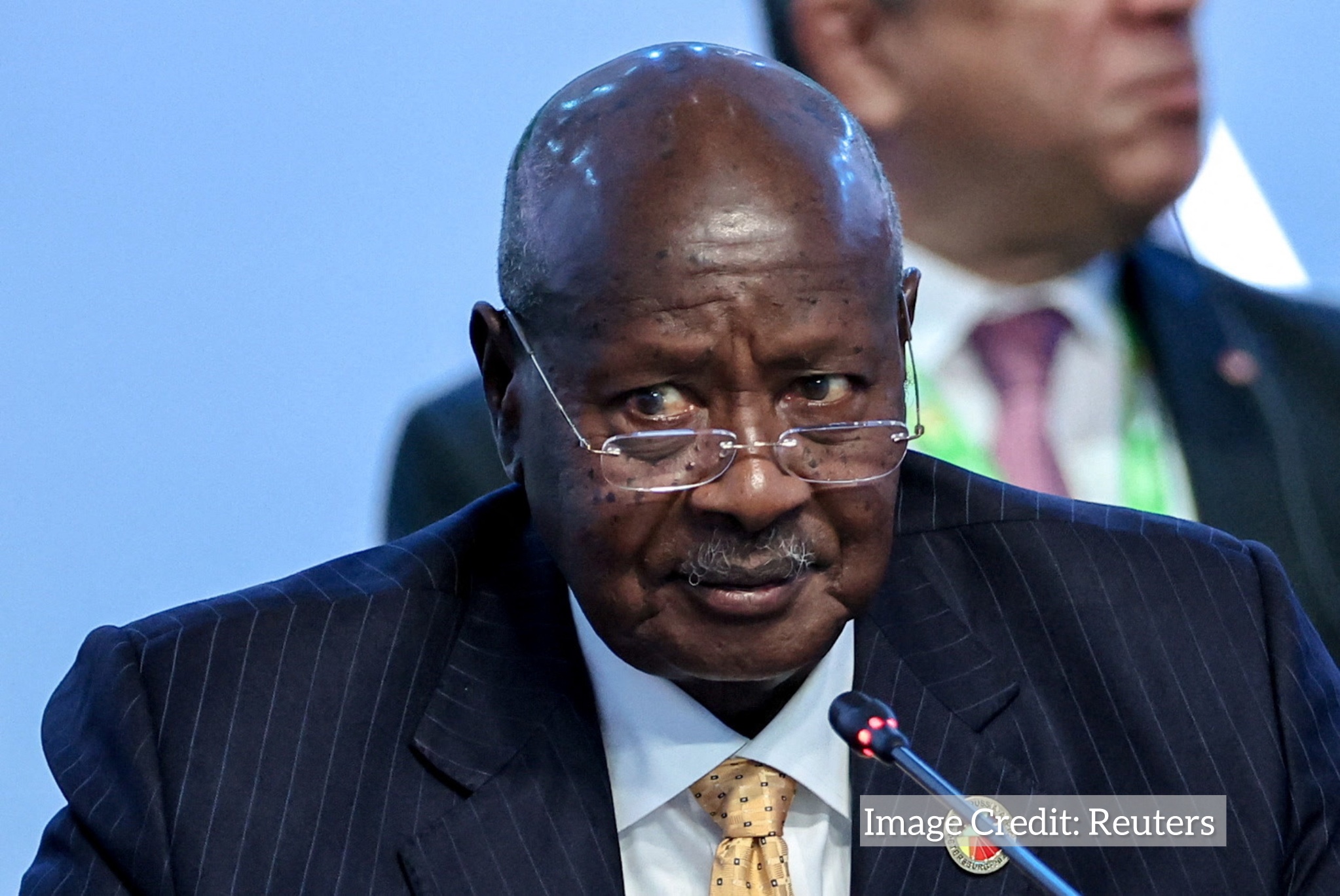
In a move that has sparked national and international controversy, Ugandan President Yoweri Museveni on June 16, 2025, signed into law the Uganda People’s Defence Forces (Amendment) Act, 2025. The newly enacted law reauthorizes military courts to try civilians, particularly those accused of “politically motivated armed violence.” This comes in direct defiance of a January 2025 Supreme Court ruling which had declared such trials unconstitutional.
Supreme Court Ban Overturned
Earlier this year, Uganda’s Supreme Court ruled that military tribunals lack jurisdiction over civilians, citing violations of the constitutional right to a fair and impartial trial. The Court ordered the immediate transfer of all civilian cases from military to civilian courts, a decision hailed by legal experts and human rights organizations as a landmark step toward protecting civil liberties.
However, President Museveni, backed by powerful figures including his son and senior military leader Gen. Muhoozi Kainerugaba, sharply criticized the ruling. They argued that barring military courts from trying civilians undermines national security, especially in dealing with politically fueled insurgencies and crimes in volatile regions like Karamoja.
Government Justifies the New Law
The Ugandan government insists that the amendment does not grant blanket military jurisdiction over all civilians, but rather targets individuals allegedly involved in armed political violence. According to Museveni, the change is necessary to prevent “militant political actors” from using weapons and violence to destabilize the nation.
Supporters of the law highlight military courts’ speed and effectiveness in trying serious offenses such as illegal possession of firearms, terrorism, and armed robbery. They also note that military tribunals have played a key role in prosecuting cattle rustlers and armed groups operating in Uganda’s northeastern regions.
Critics and Rights Groups Sound the Alarm
Despite these justifications, the law has been met with fierce criticism from opposition parties, civil society organizations, and international human rights groups. The Uganda Law Society has announced plans to challenge the amendment both locally and regionally, arguing that it violates constitutional protections and undermines judicial independence.
Organizations such as Human Rights Watch and Amnesty International have warned that military courts often controlled by the executive branch lack transparency, allow for coerced confessions, and deny defendants the right to appeal or access independent counsel. They fear the new law could be used to intimidate political opponents and suppress dissent, particularly ahead of the January 2026 general elections.
A History of Political Prosecutions
Military courts in Uganda have a controversial history of being used to prosecute prominent opposition leaders. Former presidential candidate Dr. Kizza Besigye and pop star-turned-politician Robert Kyagulanyi (Bobi Wine) have both been subjected to military proceedings on charges widely viewed as politically motivated.
In November 2024, Besigye was abducted from neighboring Kenya, brought to Uganda, and arraigned before a military tribunal. His case was among those dismissed following the Supreme Court’s January ruling. Critics now fear that with the new law, the government may revive politically motivated military trials to sideline rivals in the lead-up to the 2026 elections.
Legal Uncertainty and Next Steps
While the law is now in force, many legal questions remain. It is unclear how the term “politically motivated armed violence” will be defined, and whether military court officers must hold formal legal qualifications to try civilians. Legal experts warn that the vague language could be exploited to cast a wide net over political activists and opposition groups.
Opposition lawmakers and civil society actors are preparing to petition the Constitutional Court, and potentially the East African Court of Justice, to halt implementation of the law. Meanwhile, the international community is being urged to monitor developments closely and pressure the Ugandan government to respect judicial independence and human rights standards.
Conclusion
Uganda’s decision to reintroduce military trials for civilians marks a significant shift in the country’s legal and political trajectory. It pits the executive and military against the judiciary and civil society, and raises serious concerns about the rule of law and electoral integrity ahead of the next national vote. As legal challenges mount and political tensions rise, Uganda stands at a crossroads between national security and constitutional democracy.
Read Also: Power Slipping Away: Decline In Women’s Political Leadership Demands Urgent Action In Africa